Choosing Your Shopify Developer: Expert Tips from a Community Discussion
Hey there, fellow Shopify merchants and store operators! You know, running an online store is a constant balancing act. We’re always looking for ways to streamline operations, boost visibility, and ensure our platforms are robust. Sometimes, that means bringing in external help – a developer or agency – to build out custom features, optimize performance, or integrate new tools.
Recently, I stumbled upon a fantastic community discussion that really hit home for anyone thinking about hiring a developer for their eCommerce project. The original poster, a technical pro themselves, laid out some incredibly insightful points on what to look for, and it sparked a lot of thoughts for how we, as Shopify store owners, can make the best choices.
Start Small, Think Big: The Pilot Project Approach
One of the first, and perhaps most crucial, pieces of advice was to start with a pilot project instead of diving headfirst into a massive build. Good engineers, as the original poster noted, prefer to break down large systems into phases. This isn’t just about managing costs; it’s about getting a working version in your hands faster. This iterative approach allows you to provide feedback based on real-world usage, ensuring the final product truly meets your needs.
Think about it: a small, well-executed pilot can reveal potential issues or overlooked details that might impact your store’s performance or even your Shopify SEO overview dashboard. It's far easier to course-correct early on than to fix a sprawling, expensive system later.
Communication is Your Compass
How a developer communicates, both during the discovery phase and throughout the project, is a massive indicator of success. Are they available? Do they truly listen to your concerns? Do they ask smart questions that uncover hidden bottlenecks? And importantly, can they explain complex technical concepts in a way that makes sense to you?
You don't need to be a coding expert, but you do need to understand the implications of their choices. A developer who can simplify technical jargon and clearly articulate their approach is a gem. It ensures you’re always on the same page, preventing costly misunderstandings down the line.
Smart Payment Structures Protect Everyone
The original poster wisely advised against paying everything upfront. A reasonable payment structure, often broken into 2-4 phases, protects both you and the developer. Each phase should have clear deliverables. This ensures you’re paying for completed work and that the developer has a vested interest in moving the project forward efficiently.
Demand a Crystal-Clear Proposal
Before any work begins, you absolutely need a detailed proposal. This document should clearly outline what's being built, the project scope, the phases, and what you'll receive at each stage. If anything is vague or missing, ask for clarification until you're completely satisfied. This proposal is your contract and your roadmap.
Question the 'Why,' Not Just the Price
It's easy to focus on the bottom line, but a truly insightful tip was to question *why* a developer is suggesting a particular approach or technology. You don't need to grasp every technical detail, but they should be able to explain their reasoning clearly. This is especially critical when it comes to integrations. How will their solution interact with your existing Shopify apps and systems?
A seemingly easy solution can create a nightmare if it doesn't fit well with your current tech stack. For instance, if you're managing product data with a tool like Sheet2Cart, you need to know a new integration won't disrupt your catalog sync or create data inconsistencies. Or, if you're building out new content features, how will they ensure your site is optimized for future visibility, like Shopify Google AI Overviews citations?
Talk to Their Previous Clients
Testimonials are great, but actively reaching out to a developer’s previous clients for a quick chat is even better. Ask about communication, any complications that arose, and how the project ultimately went. This direct feedback can provide invaluable insights into their working style and reliability.
Post-Launch Support: Don't Overlook It
What happens after launch? Bugs, changes, maintenance, new features – these are inevitable. Clarify upfront how support works, what maintenance fees (if any) are involved, and how additional work is charged. A good developer partner understands that launch isn't the end, but a new beginning.
Embrace Honest Uncertainty
Finally, a truly telling sign of a good developer is how they handle uncertainty. The original poster noted that they'd be more comfortable with someone who admits, "I'm not sure, let me look into that," rather than someone who always has an instant answer. This shows a commitment to finding the right solution, not just a quick one, and builds trust that they'll tackle unforeseen challenges effectively.
EShopSet Team Comment
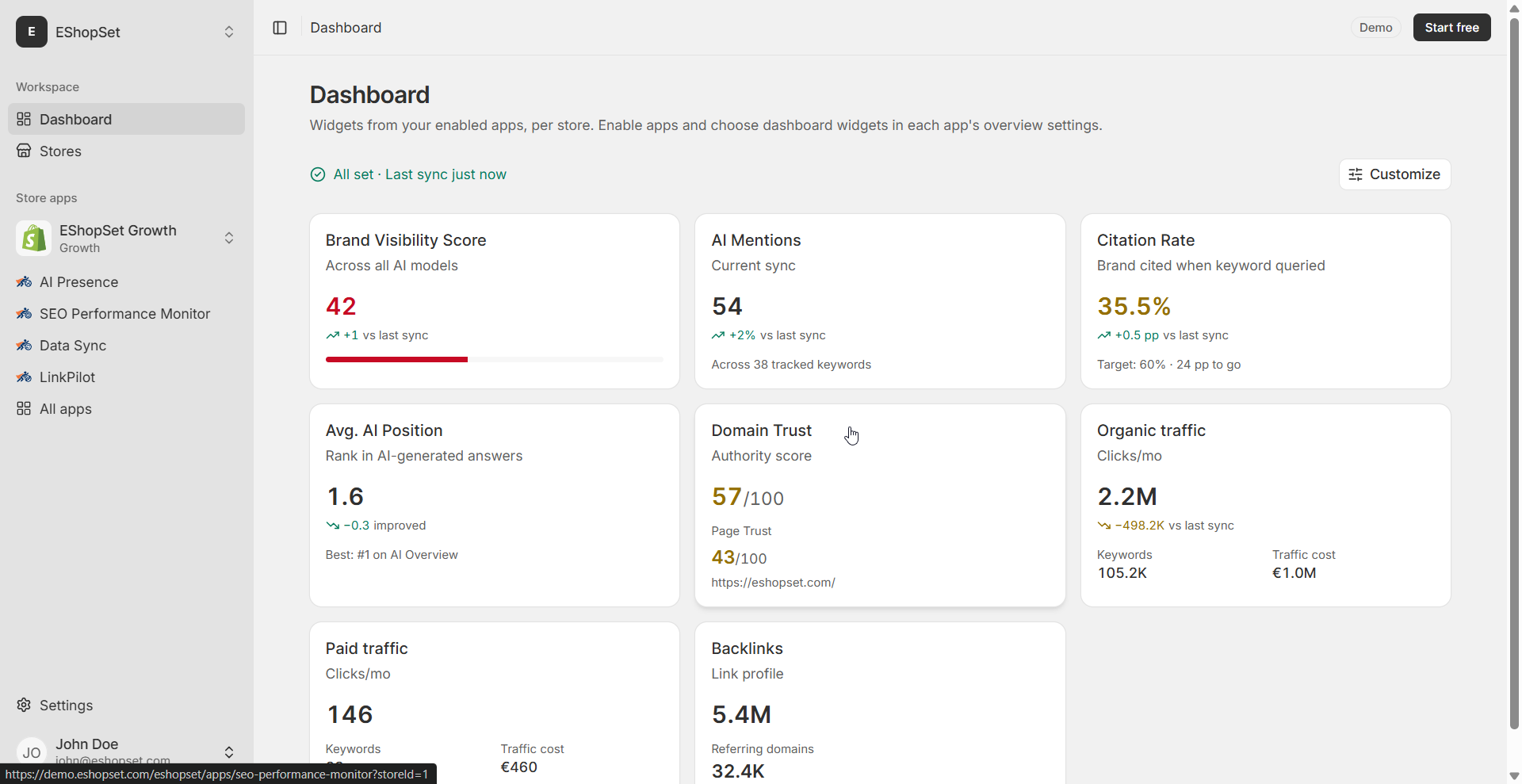
We absolutely agree with the original poster's insights. Choosing the right developer is foundational to your Shopify store's success, directly impacting everything from site performance to your ability to rank in search. A solid development partner ensures your technical setup is robust, but even with the best developer, daily operations still require vigilant management. Our EShopSet bundle, featuring SEO Performance Monitor, AI Presence, and Sheet2Cart, empowers merchants to maintain and optimize their store's health, visibility, and data integrity, ensuring that the hard work of any developer continues to pay off long-term.
Navigating the world of eCommerce development can feel daunting, but by keeping these practical tips in mind, you’ll be much better equipped to find a partner who truly elevates your Shopify store. A thoughtful approach to hiring means a smoother journey and a more successful outcome for your business.