Decoding Google's Timelines: What Shopify Merchants Need to Know About Crawling, Indexing, and Recovery
Hey there, fellow Shopify store operators! We often talk about SEO like it's a sprint, but let's be real – it's more like a marathon, especially when it comes to Google's processes. I recently stumbled upon a really insightful community discussion that perfectly highlighted this reality, and it's something every merchant needs to grasp for their daily operations.
The original post kicked off a conversation about how long Google actually takes for crawling, indexing, and recovering from any kind of penalty or site change. A Google representative, according to the recap shared, laid out some timing ranges that might surprise you. We're talking months, not days or weeks, for things like site moves or recovering from core algorithm updates.
One of the key takeaways from the original post was that these processes are often linked. What does that mean for your Shopify store? Simply put, a delay in one stage can easily snowball, extending the overall time it takes for Google to fully understand and rank your content.
Now, this sparked some lively debate among community members. While the original poster mentioned typical recovery times measured in months, one respondent painted a more stark picture, suggesting it could sometimes take years for Google to fully trust a site again. The original poster quickly clarified, noting that in some cases, recovery can indeed happen within three months. This highlights a crucial point: there's no single, universal timeline. It varies wildly depending on the issue, your site's history, and how effectively you address problems.
What does this mean for your daily grind as a Shopify merchant? It means patience, consistency, and proactive monitoring are your best friends. If you're making significant changes to your product pages, collections, or overall site structure, don't expect instant results. Google needs time to re-crawl, re-index, and re-evaluate your store.
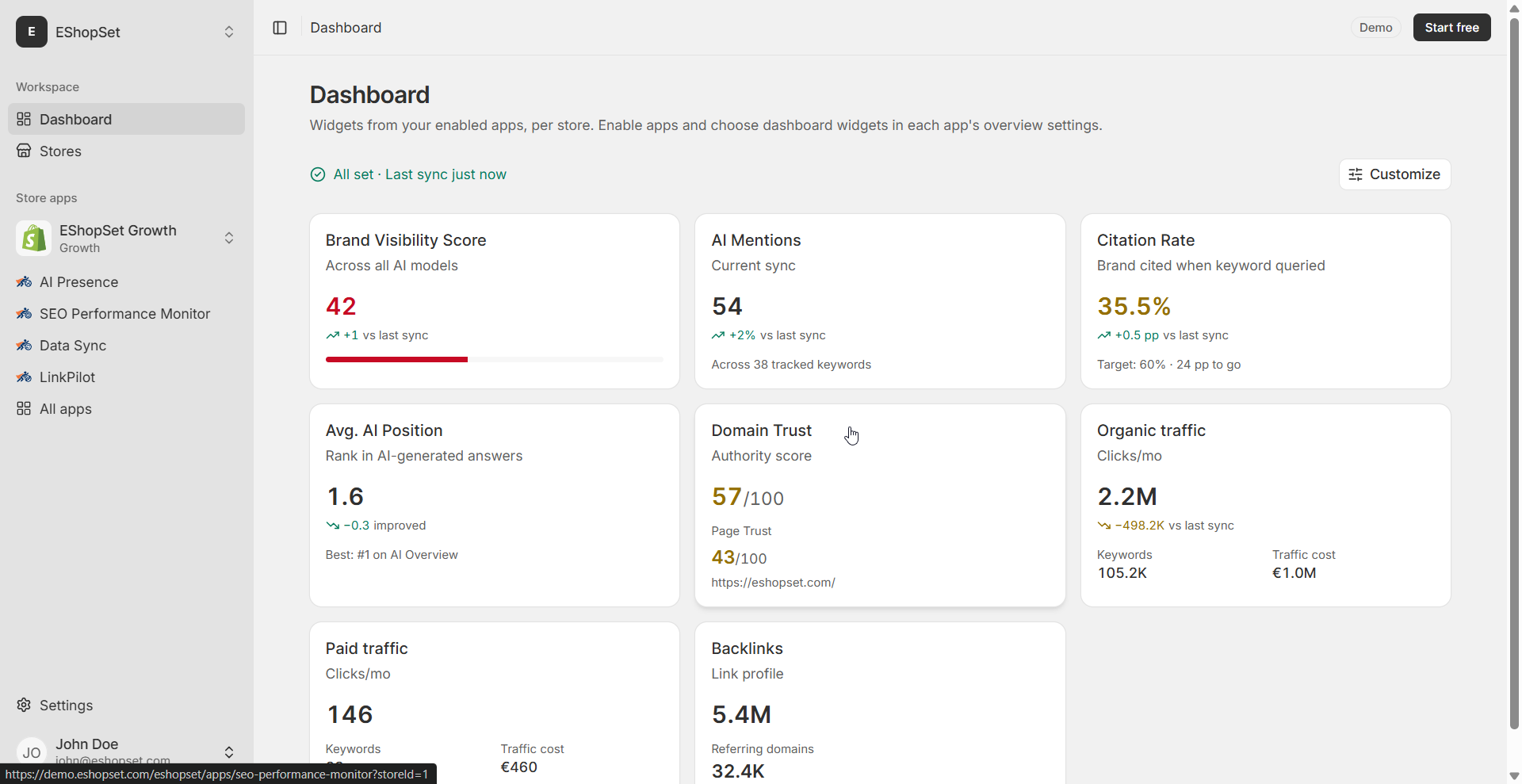
This is where having a reliable Shopify SERP ranking tracker comes into play. You need to be able to monitor those slow, incremental shifts in your search engine results page (SERP) positions. Waiting months for results means you can't afford to guess what's working and what's not. A consistent daily Shopify SEO report becomes invaluable, not just for celebrating wins, but for identifying potential dips early and understanding the long-term impact of your SEO efforts.
Consider this scenario: you've just launched a new line of products, updated a bunch of product descriptions for better keywords, and optimized your images. You're expecting a bump in traffic. If Google takes 3-6 months to fully process these changes, how will you know if your efforts are paying off without a clear, historical view of your rankings? This is why a solid monitoring tool is a non-negotiable part of your ecommerce toolkit.
Beyond tracking, think about what causes these delays. Poor site structure, duplicate content, broken links, or even just general technical SEO issues can all slow down Google's crawling and indexing process. Ensuring your product data is clean and consistent from the get-go, and that your content is always optimized, helps Google understand your store faster and more accurately.
EShopSet Team Comment
This discussion perfectly illustrates why a proactive approach to your Shopify store's SEO and online presence is non-negotiable. While Google's timelines can feel frustratingly slow, they underscore the critical need for continuous monitoring and optimization. We believe that merchants who regularly track their performance with a tool like SEO Performance Monitor, ensure their content is AI-ready with AI Presence, and maintain impeccable product data through Sheet2Cart will always be ahead. Investing in a comprehensive solution like the EShopSet Growth plan Shopify offers the consistent insights needed to navigate these long SEO cycles effectively.
So, what's the big takeaway? Don't get discouraged by the long haul. Instead, arm yourself with the right tools and a resilient mindset. Focus on building a technically sound, content-rich Shopify store. Regularly check your SEO performance, ensure your product data is pristine, and optimize your content for both search engines and your customers. By doing so, you're not just waiting for Google; you're actively building a stronger foundation that will ultimately lead to sustained growth and better visibility, even if it takes a few months to fully manifest.
Original Post by WebLinkr:
 | Highlights from the Event
Written by: SEJ STAFF: Matt G. Southern - Visit Link for Article [link] [comments] |
Reply 1 by PDFBearSupport:
Months? Sometimes it can take years before Google trusts you.
Reply 2 by WebLinkr:
You can recover in 3 months in some cases