Building a Consistent Marketing Engine: Insights for Shopify Brands
Hey there, fellow Shopify merchants and store operators! We recently stumbled upon a really interesting discussion in an online community – a swimwear brand owner was feeling the pinch, burning through ad spend with little to show for it, and relying heavily on the unpredictable goodwill of mega-influencers. Sound familiar? Many of us have been there. It's a common struggle to find that sweet spot between investing in marketing and seeing consistent returns.
The original poster shared that their premium swimwear brand ($100 per set) wasn't seeing sales from traditional Facebook and Google ads, despite countless creative tests and thousands of dollars spent. Organic social media posts also fell flat. The only thing that consistently moved product? Tags and links from certain influencers with over 500k followers, shared 'organically' because the brand couldn't afford to pay them. Their core question was clear: how do I build a repeatable system with influencers and find more consistency?
From Hope to Strategy: The Micro-Influencer Advantage
The community's response was a resounding chorus: stop waiting on the big fish and start fishing in smaller, more targeted ponds! Several respondents highlighted the power of micro-influencers (those typically with 5,000 to 50,000 followers). Here’s why this approach resonated:
- Repeatable & Predictable: Instead of hoping for a viral moment, you can build a proactive outreach pipeline. One community member suggested sending sets to 20-30 creators in relevant niches (travel, beach, resort, body positive) rather than relying on one huge account.
- Performance-Based Pay: Since upfront payments weren't an option for the original poster, many suggested an affiliate commission model. Giving creators a unique code or link with a 15-20% commission on a $100 set creates a win-win. It’s real money for them, and you only pay when a sale happens. Tools like Referralcandy were even mentioned to automate tracking and payouts, making it a truly scalable system.
- Higher Trust & Engagement: Smaller audiences often have a deeper, more trusting relationship with their chosen creators. As one expert put it, their audiences usually trust them more, and this can significantly outperform big influencer posts.
- Clarity is Key: Don't just send product and pray. A respondent advised providing creators with a framework: 3-4 successful content angles (e.g., 'try-on haul,' 'what I packed for X,' 'same set on different body types') and a rough posting window. This guidance helps ensure the content aligns with your brand and is more likely to convert.
Turning Organic Buzz into Paid Power
Perhaps the most powerful insight from the discussion was how to leverage existing influencer content. If influencer tags are already driving sales, those posts are essentially your best-performing ads – you just don't control them. Here’s the actionable advice:
- Repurpose & Ask for Permission: Message every influencer who has tagged you and ask if you can use their footage in your ads. Most will say yes for free product or a small flat fee, as it also expands their reach.
- Run Partnership Ads: A community member pointed out that a $100 set advertised by a brand account is a cold pitch, but the same set on a 500k creator's handle is a recommendation. Ask creators for a partnership ad code or approval to run their exact post as an ad on Meta. This allows the ad to run from their handle, with your shop link, leveraging their authenticity.
- Optimize for Direct Response: Don't just run raw influencer posts. Another expert suggested cutting these clips into direct response video ads: a hook in the first 3 seconds, a quick product intro, showing it on different people, and a clear call to action at the end. Add subtitles, aim for a 4:5 aspect ratio, and keep it 30-45 seconds. It needs to be clear there's something for sale.
- Smart Ad Campaigns: Once you have these compelling creatives, run your 3-5 best ads in an interest-targeting CBO (Campaign Budget Optimization) alongside an Advantage+ campaign. Optimize for purchases and use the same post ID to stack social proof.
- Don't Forget Retargeting: This is the crucial step that makes influencer features compound. Dedicate about 20% of your budget to retargeting with ad sets for website visitors, Facebook engagement, Instagram engagement, and video viewers. Every influencer tag then fills these audiences, allowing your ads to keep converting those people for weeks.
Understanding Your Customer and Your Brand
Before diving too deep into tactics, a few respondents stressed the importance of foundational work. One fractional CMO suggested stepping back to identify your ideal customer profiles (ICPs). Who are your most profitable customers? Understanding this helps you connect with them more effectively. Another community member asked about the brand's unique selling proposition (USP) – what sets you apart from the big players? This clarity is essential for all marketing efforts. Leveraging tools like Shopify AI Presence can further refine your brand voice and help generate compelling content that speaks directly to your ideal customers. This foundational work, alongside monitoring your organic search performance with a good Shopify SEO app for merchants, ensures all your efforts build on a solid base.
Finally, don't underestimate customer feedback. Talk to the people who bought after those successful tags. Ask them who else they follow and, crucially, what almost stopped them from buying. For swimwear, "fit anxiety" is a big one. Getting photo reviews up with apps like Loox or Okendo can address these concerns head-on.
EShopSet Team Comment
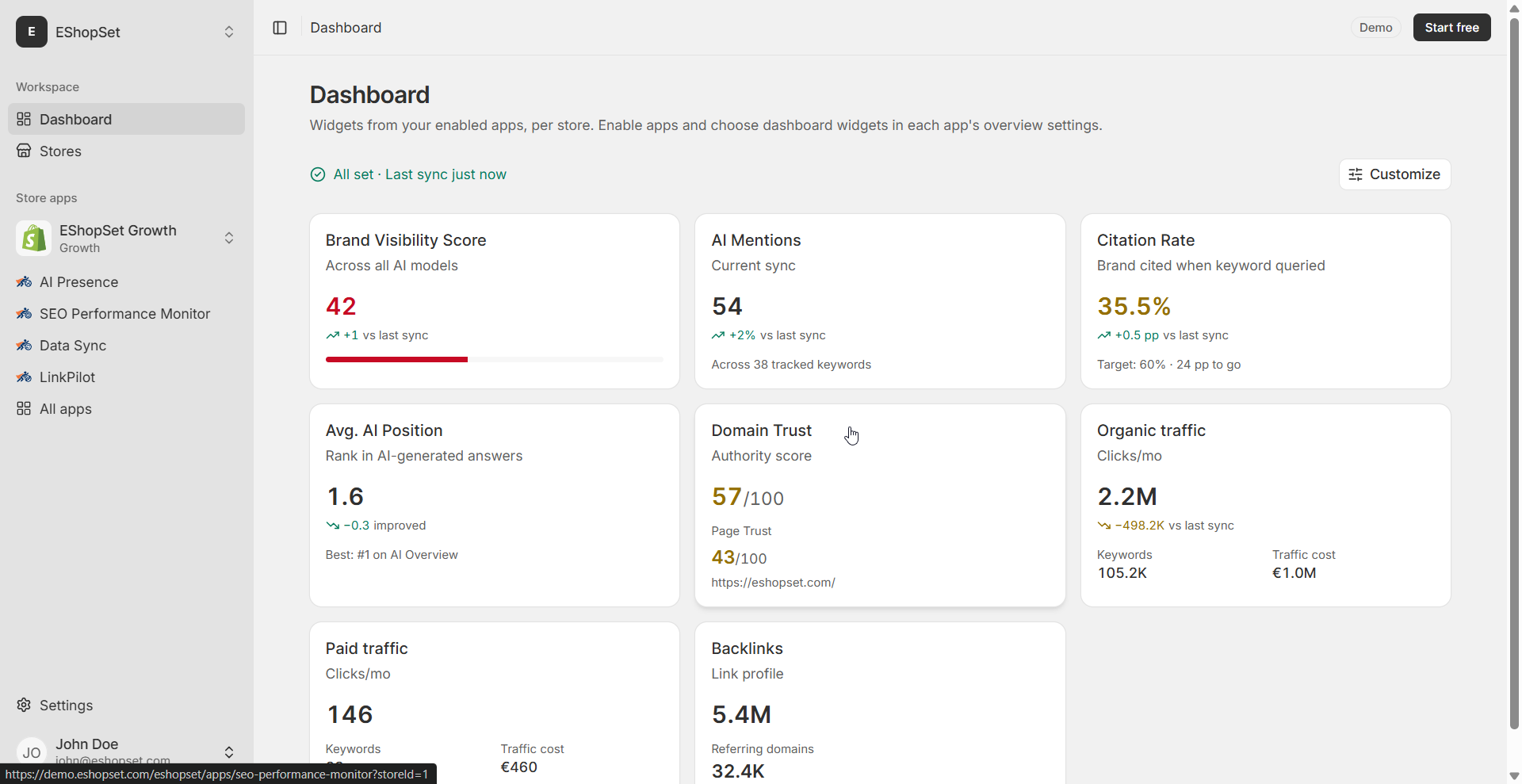
The community absolutely nailed it here. Relying on sporadic, unpaid mega-influencer mentions is indeed a recipe for inconsistency and frustration. We wholeheartedly agree with the pivot towards a structured, performance-based micro-influencer strategy combined with smart ad repurposing. For Shopify merchants, this means not just chasing sales but understanding your market and optimizing your store's foundation. Our SEO Performance Monitor can help you track organic visibility and competitive landscape, ensuring your store is discoverable when new traffic arrives. AI Presence can assist in refining your brand messaging, crafting compelling product descriptions, and even generating outreach scripts for influencers, ensuring your brand story resonates. And if managing product data for all those gifted sets or new catalog additions becomes a chore, Sheet2Cart simplifies bulk product updates and inventory sync, keeping your operations smooth.
Ultimately, the discussion highlights that success in ecommerce isn't about one magic bullet, but a well-integrated system. By focusing on building repeatable processes, understanding your audience deeply, and leveraging your most effective content across channels, you can move your Shopify store from relying on luck to achieving consistent, scalable growth. It's about turning insights into actionable strategies, and those strategies into daily operations that drive real results.