Navigating Early Ecommerce Hurdles: Lessons from Real Shopify Merchants
Hey everyone, it's great to dive into real-world discussions from the ecommerce community. Recently, I stumbled upon a super insightful thread where an original poster asked, "What problems did you struggle with the most when starting ecommerce?" The replies were a goldmine of shared struggles and hard-won wisdom, and I think every Shopify merchant, new or seasoned, can learn a ton from them. Let's break down some of the most common pain points and how you can tackle them head-on.
The Cash Flow Conundrum: More Sales, Still Broke?
Right off the bat, a recurring theme was cash flow. Multiple community members, including one respondent, highlighted how you can be making sales but still feel broke. Money gets tied up in inventory, shipping, ad spend, and waiting for payment processors to release funds. As one insightful member put it, "You can be doing great revenue, have cash moving in and out all the time, but if you suddenly need to put down a chunk of cash and it’s not available, it can kill a business instantly." They shared a vivid example of Black Friday stockouts due to poor cash flow planning – a truly painful lesson!
The Takeaway: Meticulous financial planning is non-negotiable. Always watch your profit margins before scaling, as one early reply advised. Factor in all costs: shipping, fees, returns, and ads. For those managing inventory tightly, or even operating with a dropshipping model, implementing a reliable Shopify zero inventory from sheet sync solution can prevent overselling and streamline your supply chain, directly impacting your cash flow by avoiding unnecessary stock holding.
Finding Your Customers & Proving Your Product
Another major hurdle mentioned by several respondents was figuring out what people would actually pay for and then, even harder, getting those first few customers without burning through your marketing budget. "Getting the first few customers was way harder than I expected," confessed one member. It's easy to spend ages perfecting your store's look, only to realize the real challenge is product-market fit and customer acquisition.
The Takeaway: Start simple and test demand before investing heavily in inventory or elaborate store designs. This is where understanding your market and performing Shopify SEO competitor analysis comes into play. Knowing what your rivals are doing well, what keywords they rank for, and how they present their products can inform your own strategy. Tools that monitor competitor performance can give you an edge in crafting compelling offers and reaching the right audience.
Operational Headaches & Scaling Pains
From fulfilling orders "from my shed" to managing stock levels for peak seasons, operational challenges were also a common pain point. As one merchant noted, it's easy to get overstocked or, worse, run out of your hero product at the worst possible time. The sheer complexity of e-commerce models, as detailed by another community member, underscores how many moving parts there are to manage.
The Takeaway: Streamline your operations as early as possible. For inventory, beyond just cash flow, accurate and automated catalog management is key. This is where Shopify SEO AI and catalog apps can transform daily operations. Imagine updating hundreds or thousands of product details, prices, or inventory counts from a single source like a Google Sheet, directly syncing to your Shopify store. This reduces manual errors, ensures consistency, and frees up valuable time for strategic growth.
The Investment Dilemma: When to Buy Tools?
Finally, a very practical concern brought up was the timing of investing in tools. "Tools can get expensive, especially when you don't make a lot of sales," one member pointed out. It's a valid concern for any new merchant balancing budget with the need for efficiency.
The Takeaway: Prioritize tools that solve your most pressing daily operational problems and offer clear ROI. Look for integrated solutions that address multiple needs. Rather than a patchwork of single-purpose apps, a bundled approach can often provide better value and smoother workflows, helping you manage everything from SEO performance to product data with greater ease.
EShopSet Team Comment
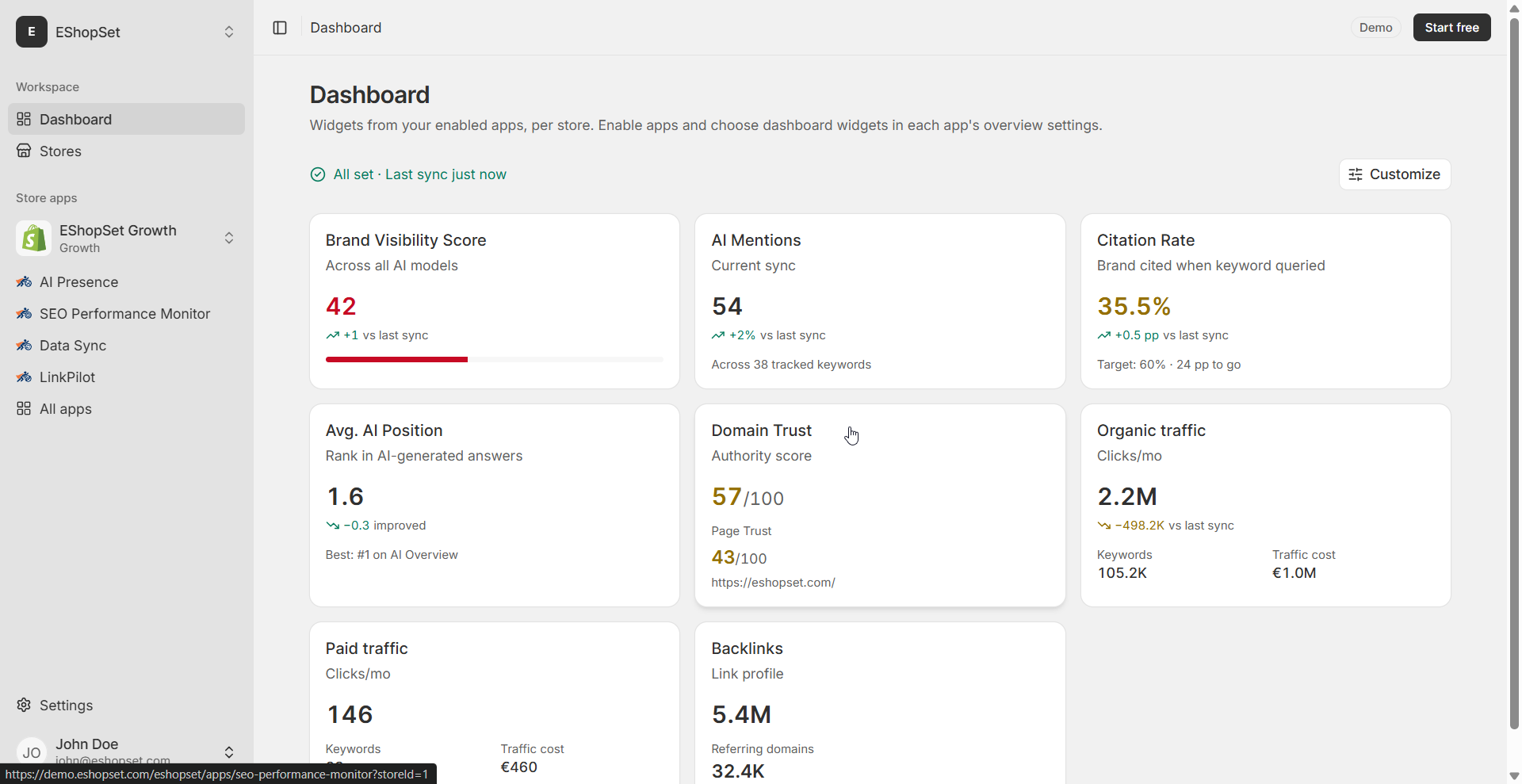
The EShopSet team finds this discussion incredibly relatable and highlights the core challenges many Shopify merchants face daily. We strongly agree that cash flow, customer acquisition, and efficient operations are make-or-break areas. The good news is that many of these struggles can be significantly eased with the right operational apps. For instance, our SEO Performance Monitor helps with competitor analysis and traffic, AI Presence assists with content and customer engagement, and Sheet2Cart directly addresses catalog and inventory sync, including managing Shopify zero inventory from sheet sync scenarios, to keep your operations lean and your cash flow healthy.
It's clear that starting an ecommerce business is a marathon, not a sprint, filled with learning curves. But by listening to the experiences of others and leveraging the right tools, you can navigate these early challenges with greater confidence and build a resilient, profitable Shopify store. Don't be afraid to learn, adapt, and seek out solutions that simplify your daily operations and empower your growth.