The AI Tsunami: Navigating E-commerce Shifts for Shopify Merchants
Hey there, fellow Shopify merchants and store operators! You know how quickly the e-commerce landscape changes? It feels like every week there's a new headline that makes you rethink your entire strategy. I was just catching up on a fascinating community thread – a weekly recap of top e-commerce news – and it got me thinking about how we can all stay ahead of the curve.
The original poster, a keen industry observer, shared a ton of insights from the past week, and honestly, it felt like a whirlwind tour of what’s next. The biggest takeaway? AI isn't just coming; it’s already here and reshaping everything from how customers discover products to how they complete a purchase. Let’s dive into some of the most impactful shifts and what they mean for your Shopify store.
The AI Tsunami and Your Store's Visibility
One of the most talked-about themes was the pervasive integration of AI across major platforms. Google, for instance, has launched Universal Cart within its AI Mode in Search and the Gemini app. Imagine a single cart that holds products from multiple retailers, allowing shoppers to check out using the Universal Commerce Protocol (UCP). This means Google is actively trying to streamline the buying journey, making it smoother for customers, but also potentially shifting where and how they interact with your brand.
Then there’s Shopify itself, introducing a new skill that lets any AI agent act as a personal shopper tied to a buyer’s Shop account. These agents can browse your Shopify Catalog, learn customer preferences from past orders, and even facilitate checkout with Shop Pay. This isn't just about convenience; it’s about a fundamentally new way customers might engage with products – driven by intelligent agents that learn and adapt.
What does this mean for your store’s visibility? If AI is guiding purchases, how do you ensure your products are featured? The news also highlighted issues like ChatGPT stripping UTM parameters from links, causing traffic to appear as 'direct' in analytics. While OpenAI stated this was a bug and rolled out a fix, it underscores the importance of tracking where your traffic truly comes from. You need to know if your content is being discovered by AI agents, and how that translates into visits and sales.
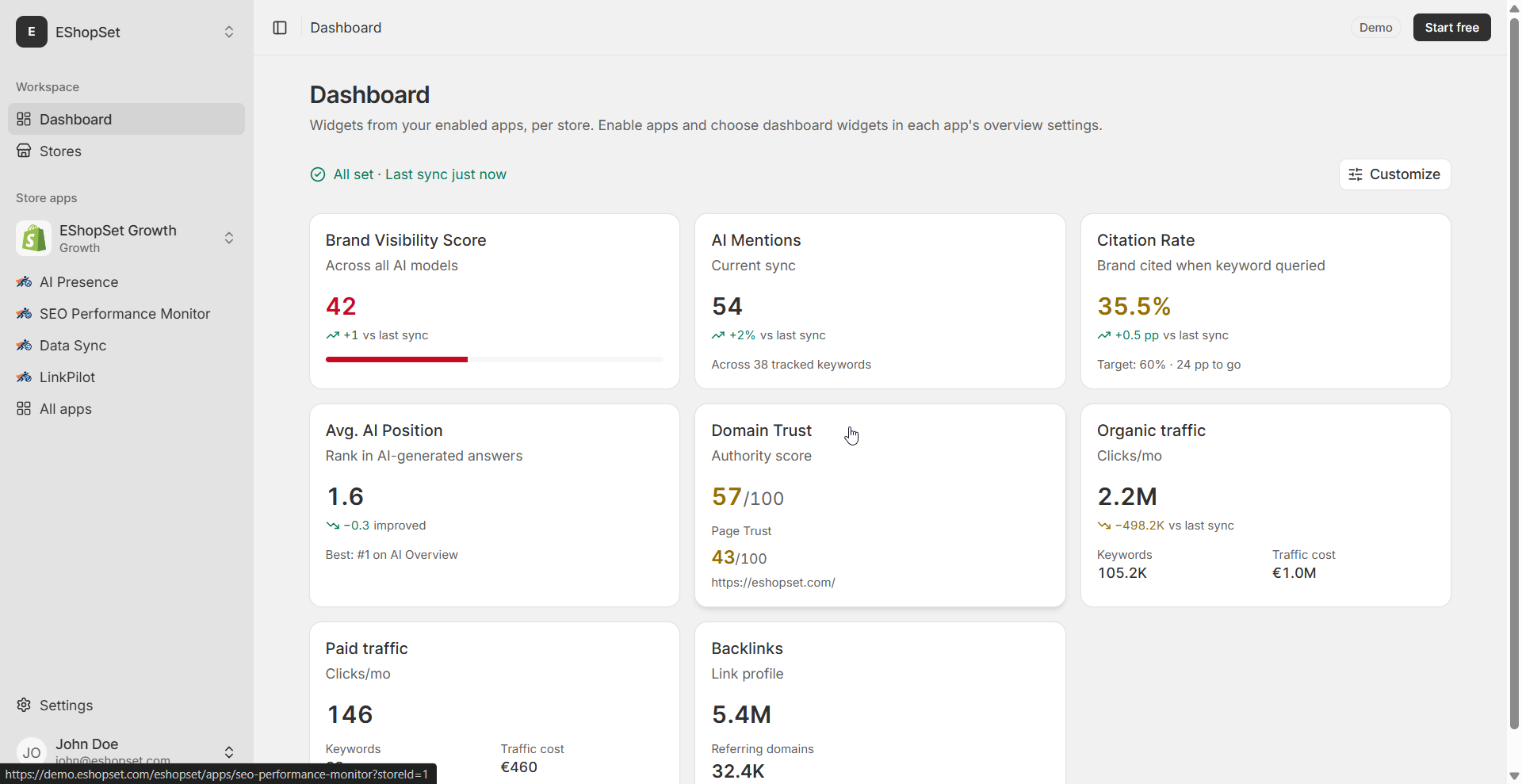
This is where having a robust Shopify keyword rank tracker becomes absolutely critical. As AI Overviews become more prevalent, understanding your product's visibility for key search terms isn't just about Google's traditional search results anymore. It's about how AI synthesizes information and presents it to users. Are you optimizing for direct answers and rich snippets that AI might favor? Keeping a close eye on your search performance will be key to adapting your SEO strategy to this evolving landscape.
Keeping Your Operations Sharp in a Fast-Paced World
With new checkout flows and AI-driven shopping experiences, the backend operations of your Shopify store become more vital than ever. The Universal Cart concept, for example, could mean orders coming in from various Google touchpoints. This demands impeccable inventory management and order fulfillment. The last thing you want is a customer completing a purchase through an AI agent, only to find out an item is out of stock. Nobody wants to deal with the headache of an oversell.
This brings us to the crucial need for seamless data synchronization. Ensuring your product catalog, inventory levels, and pricing are always up-to-date across all channels is paramount. Imagine the frustration of a customer who uses an AI agent to find a perfect item, only for your store to show inaccurate stock. This is why a solution for Shopify oversell prevention sheet sync or similar automated data management is no longer a luxury, but a necessity. Automated data flows can help prevent costly mistakes, maintain customer trust, and streamline your daily operations.
Advertising, Personalization, and the New Customer Journey
The thread also touched on how platforms like Meta are changing their advertising game, with features like auto-opting advertisers into full-screen catalog pages within Facebook and Instagram ads. While Meta claims this boosts conversions, it also means customers are potentially spending less time directly on your website during the initial discovery phase. Understanding this new customer journey and optimizing for it is essential.
Furthermore, Meta is rolling out algorithm personalization features, allowing users to explicitly state what they want to see in their feeds. This level of user control, driven by LLMs, means that your content and ads need to be more relevant and targeted than ever before. Leveraging AI to understand customer intent and generate compelling, personalized ad copy and product descriptions can give you a significant edge.
This is where tools like AI Presence can really shine. Imagine generating product descriptions that resonate deeply with specific customer segments, or crafting ad copy that leverages insights from evolving user preferences. The goal is to make your brand stand out in an increasingly AI-driven, personalized feed.
EShopSet Team Comment
The rapid pace of change highlighted in this community discussion is a clear call to action for every Shopify merchant. We believe that embracing AI and robust data management isn't just about keeping up, it's about gaining a competitive advantage. Specifically, using an app like our SEO Performance Monitor is essential for tracking your visibility in the new AI-driven search landscape, while Data Sync ensures your product information is always accurate and prevents oversells as new checkout methods emerge. And with AI Presence, you can harness the power of AI to create compelling, personalized content that truly connects with your customers.
Ultimately, the key takeaway from this whirlwind of news is agility. The platforms we rely on are constantly evolving, and so must our strategies. Don't be afraid to experiment, to leverage new technologies, and to continually optimize your operations. By staying informed and utilizing the right tools, you can not only navigate these changes but thrive in the exciting, AI-powered future of e-commerce. Keep learning, keep adapting, and keep growing your Shopify store!