Navigating EU Shipping: Shopify Merchants Share Strategies for Customs Compliance
We've all been there: a new regulation drops, and suddenly your carefully tuned daily operations feel like they've hit a bureaucratic wall. That's exactly the sentiment buzzing in a recent community discussion I followed, where Shopify merchants were sharing their exasperation over the latest EU demands, specifically around mandatory barcodes and product identifiers.
The original poster kicked things off by highlighting the frustration of dealing with mandatory barcodes or three other identifiers, noting the risk of customs rejection. For them, it was the final straw after previous mandates like the 'cool off button,' leading them to seriously consider removing EU countries from their shipping destinations. It's a relatable pain point: dealing with customers who won't pay fees, only to waste time on resolutions and returns.
The Heart of the Challenge: Compliance vs. Business Reality
This sentiment echoed across the thread. Many merchants, particularly small businesses, feel pummeled by regulations seemingly designed for large corporations. As one respondent put it, "Having high standards is one thing but pummeling small businesses by treating them as if they were huge, profitable corporations is just pointless." The debate quickly turned to consumer protection versus the burden on small businesses. While some argued that high standards protect consumers and ensure product safety, others countered that these regulations stifle innovation and push small players out, leaving the market to giants.
A community member also brought up a crucial parallel: shipping to the US from other countries presents similar headaches, with DDP (Delivered Duty Paid) becoming high-risk due to ever-changing customs regulations. It seems the struggle with cross-border shipping complexity isn't unique to the EU.
Practicalities and Workarounds Discussed
So, what were merchants doing or considering?
- The Y081 Exemption Code: A ray of light for many was the mention of an exemption code like Y081. One respondent pointed out that for products without a GTIN (Global Trade Item Number) or barcode, this code could potentially be used to avoid customs rejection. This is particularly vital for custom or handmade items, like the pet beds a crafter mentioned selling, which naturally wouldn't have standard barcodes.
- Re-evaluating Market Profitability: Several merchants, like the original poster, were pondering whether the EU market was still worth the hassle. It's a smart business move to look at actual profit from EU orders after factoring in returns, customs issues, and the time spent on customer support. If the margins are thin or negative, scaling back might be the only logical choice.
- The Product Data Dilemma: For items without existing barcodes, such as client-configured products or independently reprinted books, the new identifier requirement creates a significant data management challenge. Merchants selling these unique items expressed concern about how to comply without disrupting their core business model. This is where tools that help you Shopify match products by SKU from Sheets or other data sources become invaluable for updating product information efficiently.
The discussion highlighted a fundamental need for robust product data management. Whether it's adding a GTIN, an MPN (Manufacturer Part Number), or an exemption code, ensuring your product catalog is accurate and compliant is paramount. Without it, shipments face delays or rejection, leading to lost revenue and unhappy customers.
EShopSet Team Comment
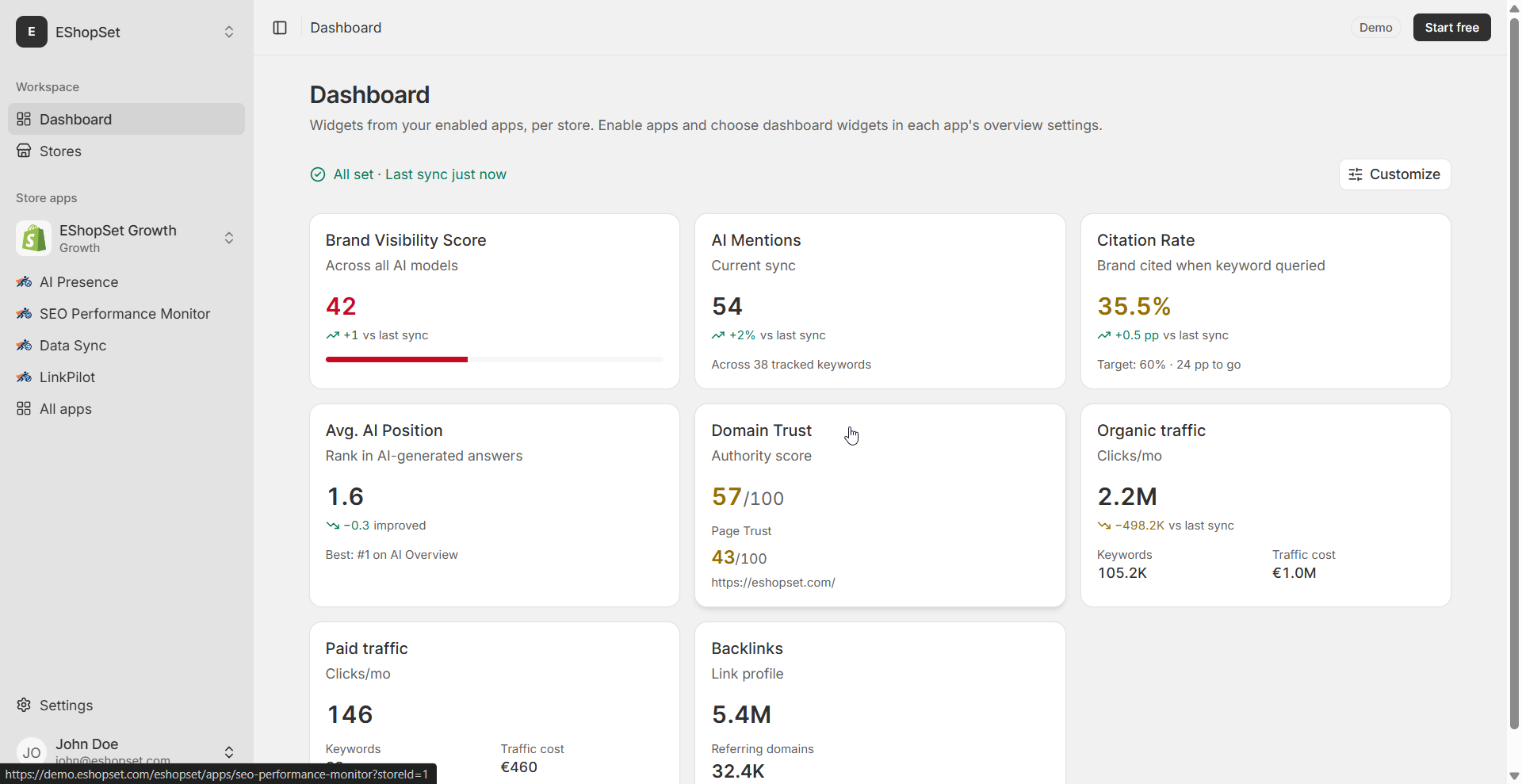
This community discussion perfectly encapsulates the modern merchant's struggle with international compliance. The core takeaway is the critical need for meticulous product data management. Our Data Sync app is designed precisely for this, allowing you to seamlessly update product identifiers like SKUs from external sources, ensuring your catalog is always accurate and compliant with evolving regulations. Furthermore, if you're reconsidering market focus, our SEO Performance Monitor can help you track your Shopify SERP ranking tracker in remaining or new target regions, while AI Presence can assist in crafting clear, compliant product descriptions using well-researched seed keywords for AI Presence Shopify to communicate shipping terms effectively to your customers.
Moving Forward with Confidence
While regulations can feel overwhelming, especially for small businesses, adapting is key to sustained growth. It means being proactive about understanding requirements, leveraging tools to manage your product data, and strategically evaluating your market reach. The ability to efficiently update and manage product information, whether it's adding specific identifiers or using exemption codes, is no longer a 'nice-to-have' but a 'must-have' for any Shopify merchant engaging in cross-border trade.
By staying informed and equipping your store with the right operational tools, you can transform these compliance challenges into opportunities for more streamlined, profitable international sales, even in an ever-changing regulatory landscape.