Shopify Product Page Stuck on 'Discovered, Currently Not Indexed'? Here's How to Fix It!
Hey there, fellow Shopify merchants and store operators!
Ever checked your Google Search Console and seen that dreaded message: "Discovered – currently not indexed" next to one of your vital product pages? It’s a common head-scratcher, and frankly, it can be pretty frustrating when you know you have great products that deserve to be seen. This exact issue recently sparked a really insightful discussion within an online community, and I wanted to break down the expert advice shared there, adding our EShopSet spin to help you tackle it head-on.
Understanding "Discovered – Currently Not Indexed"
First off, let's clarify what this status actually means. When Google reports a page as "Discovered – currently not indexed," it means their crawlers have found the page (perhaps through a link from another site, or your sitemap), but they haven't yet decided to crawl it thoroughly or include it in their search index. Think of it like a librarian seeing a new book on a shelf but deciding not to catalog it because they're not convinced it's important enough, or they have other, more pressing books to get to first.
As one community member wisely pointed out, in these cases, simply "requesting indexing" in Google Search Console often won't fix the underlying problem. Google isn't ignoring your request; it's telling you there's a deeper reason why it's not prioritizing that page for indexing.
Why Google Hesitates: Key Reasons & Solutions
The core of the problem, as highlighted by the discussion, often boils down to two main areas:
1. Lack of Internal Authority & Crawl Prioritization
Google has a 'crawl budget' – a finite amount of resources it allocates to crawl your site. If a page isn't well-linked internally, it might appear less important to Google. The original poster's situation likely stemmed from this. A brilliant piece of advice from a respondent was to focus on strengthening internal links.
- The Fix: Strengthen Your Internal Linking Strategy
- Connect from High-Traffic Pages: Identify pages on your Shopify store that already receive good traffic and are well-indexed. These could be your main navigation links, popular category pages, blog posts, or even other best-selling product pages.
- Contextual Links: When writing blog content or product descriptions, look for natural opportunities to link to your "discovered, not indexed" product page. For example, if you sell a specific type of outdoor gear, link to it from a blog post about "Top 5 Hiking Essentials."
- Main Navigation & Collections: Ensure your product is easily accessible through your main menu or relevant collection pages. The easier it is for users (and crawlers) to find, the more authority it gains.
2. Thin or Duplicate Content
Another major red flag for Google is content quality. If your product description is generic, too short, or worse, directly copied from the manufacturer's website, Google might deem it low-value. Why index something that offers no unique information?
- The Fix: Craft Unique, Engaging Product Descriptions
- Go Beyond the Basics: Don't just list features. Talk about benefits, ideal use cases, unique selling points, and what makes your product stand out.
- Show, Don't Just Tell: Use vivid language. Imagine your customer holding the product. What do they feel, see, experience?
- Leverage AI for Originality: This is where modern tools can be a game-changer. Apps like EShopSet's AI Presence can help you generate unique, compelling product descriptions quickly. Instead of staring at a blank page, you can get creative starting points that you then refine to perfectly match your brand voice. This ensures your content is fresh and valuable, signaling to Google that your page is worth indexing.
Streamlining Your Product Data for SEO Success
While the immediate fixes focus on linking and content, having a robust system for managing your product data is crucial for long-term SEO health. Many Shopify merchants struggle with keeping their catalog updated, especially when dealing with hundreds or thousands of SKUs.
- Efficient Product Updates: If you're frequently updating product details, adding new items, or enriching descriptions, manual processes can be a huge time sink. Consider tools that simplify this. For instance, EShopSet's Sheet2Cart app allows you to Shopify update products from Google Sheets directly. This means you can manage your product data – including those unique, SEO-rich descriptions – in a familiar spreadsheet environment and sync them seamlessly to your Shopify store. It's a powerful way to ensure your product pages are always fresh and accurate, without the headache of manual Shopify CSV import processes. The efficiency of a direct Data Sync vs Shopify CSV import can't be overstated for busy merchants.
EShopSet Team Comment
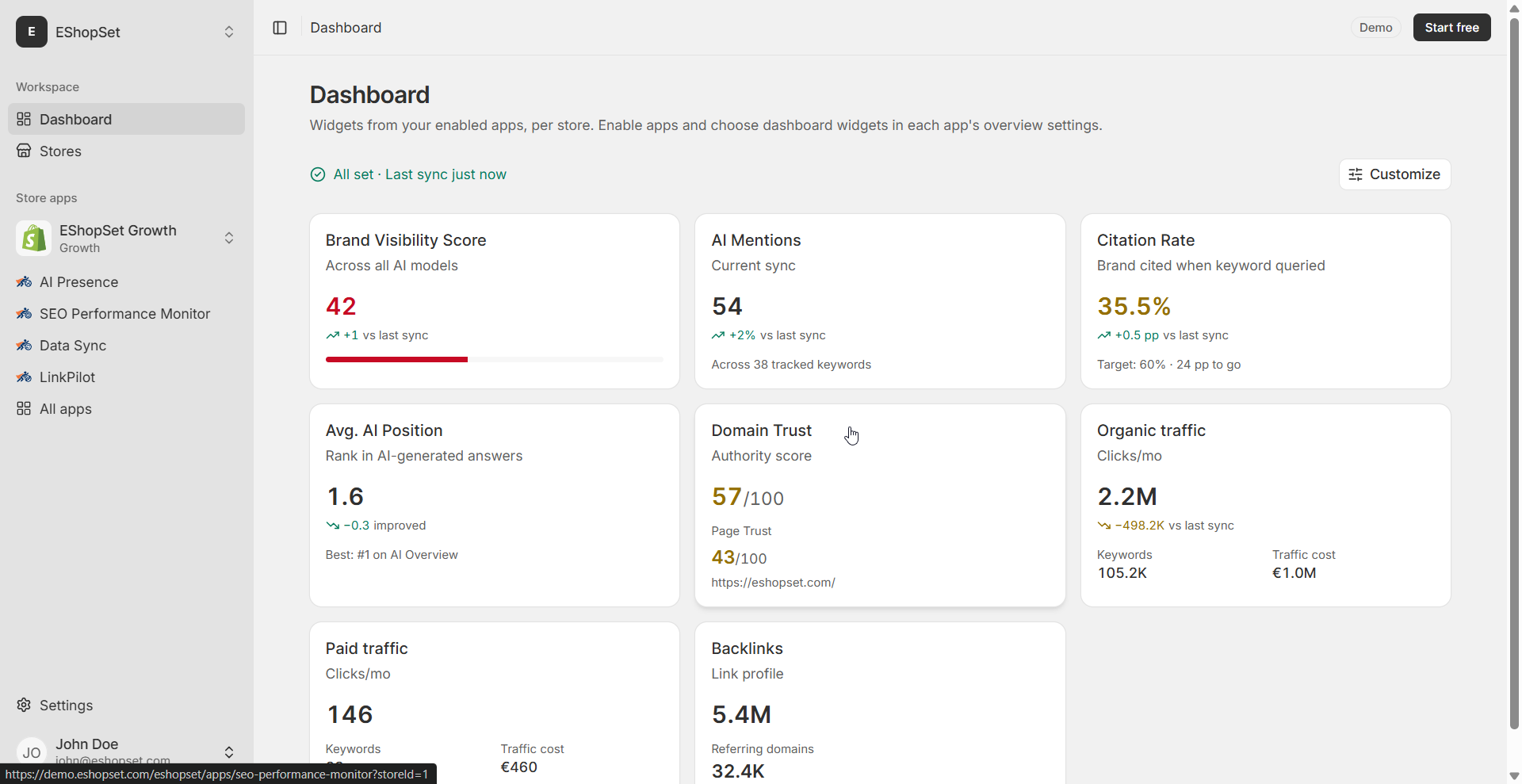
We see this "Discovered – currently not indexed" issue come up often, and the community's advice on internal linking and unique content hits the nail on the head. We firmly believe that relying solely on Google to figure out your most important pages isn't a sustainable strategy. Shopify merchants need proactive tools. Our SEO Performance Monitor can help you identify pages with indexing issues and track their progress, while AI Presence empowers you to generate the compelling, original content Google craves. And for managing all that rich product data efficiently, Sheet2Cart is indispensable for ensuring your unique descriptions and updated information consistently reach your store.
Putting It All Together for Better Indexing
Resolving "Discovered – currently not indexed" isn't about a quick fix; it's about demonstrating to Google that your product page is valuable, relevant, and well-integrated into your store's structure. By strategically building internal links, crafting unique and engaging product descriptions (perhaps with a little AI help!), and maintaining a clean, updated product catalog, you're not just solving an indexing problem – you're building a stronger, more discoverable Shopify store.
Keep monitoring your indexing status regularly with tools like SEO Performance Monitor, and stay agile in your content and linking strategies. Your products deserve to be found!