Shopify Merchants: Should You Pause Google Ads for SEO? The Truth About Cannibalization
Hey there, fellow Shopify store operators! We often dive deep into the daily grind of running our businesses, and sometimes, those big strategic questions pop up that make us scratch our heads. Recently, a fascinating discussion in an online community caught my eye, centered around a common dilemma: when to un-pause Google Ads after investing in SEO?
The original poster, a moving company owner new to marketing, had paused their Google Ads – which were generating a healthy 4x ROI – to focus purely on SEO. Three months into a six-month SEO contract, they worried that turning ads back on would 'cannibalize' their hard-won organic rankings. They feared people clicking ads instead of organic listings would somehow push their organic results down. Sound familiar?
The Myth of SEO Cannibalization by Paid Ads
Let's cut right to the chase, based on the overwhelming consensus from experienced marketers in that discussion: this fear of cannibalization is largely a myth when it comes to SEO rankings.
As several community members emphatically pointed out, Google Ads and organic search operate on separate systems. Running an ad does not inherently hurt your organic ranking. Google itself has confirmed this for years. Think of it this way: the ad auction and the organic algorithm are two different beasts. Your organic position is determined by hundreds of factors like content quality, backlinks, site speed, and user experience, not whether you're also running a paid ad.
In fact, many respondents shared experiences showing the opposite: pausing ads can sometimes lead to a drop in organic traffic and conversions. Why? Because a good paid and organic strategy often work in tandem, creating a powerful 'multi-touch attribution' effect. When you run both, you effectively occupy more real estate on the search results page – an ad at the top, and your organic listing below. This double presence boosts visibility, trust, and ultimately, conversions.
One expert in the thread shared a personal test on non-branded keywords, finding no cannibalization and even a drop in organic performance when ads were paused. Another mentioned similar experiences across multiple projects. The takeaway is clear: don't let the fear of cannibalization hold you back from a channel that's already proving profitable.
When to Un-Pause (Spoiler: Probably Now!)
If you're seeing a 4x ROI like the original poster, most experts agreed: un-pause those ads now! Leaving such returns on the table while waiting for SEO to 'finish' (which, by the way, never truly finishes – it's an ongoing, compounding channel) is a missed opportunity.
Strategic Ways to Run Both SEO and Google Ads
While ads won't hurt your rankings, there's definitely a smarter way to integrate your efforts:
-
Segment Your Campaigns: Don't just blast everything. Focus your paid ad budget on non-branded keywords where your SEO might still be building momentum. For example, if you're a Shopify store selling unique handmade jewelry, your SEO might be great for 'handmade silver earrings,' but you could use ads to target broader terms like 'unique jewelry gifts' where you might not rank organically yet.
-
Branded vs. Non-Branded: This is where the only true 'overlap' cost comes in. If your Shopify store already ranks #1 organically for your own brand name (e.g., 'EShopSet apps'), paying for an ad on that same term means you're paying for a click you likely would have gotten for free. In this specific scenario, you might consider pausing ads for those exact branded terms to optimize your spend. However, for non-branded terms, keep those ads running!
-
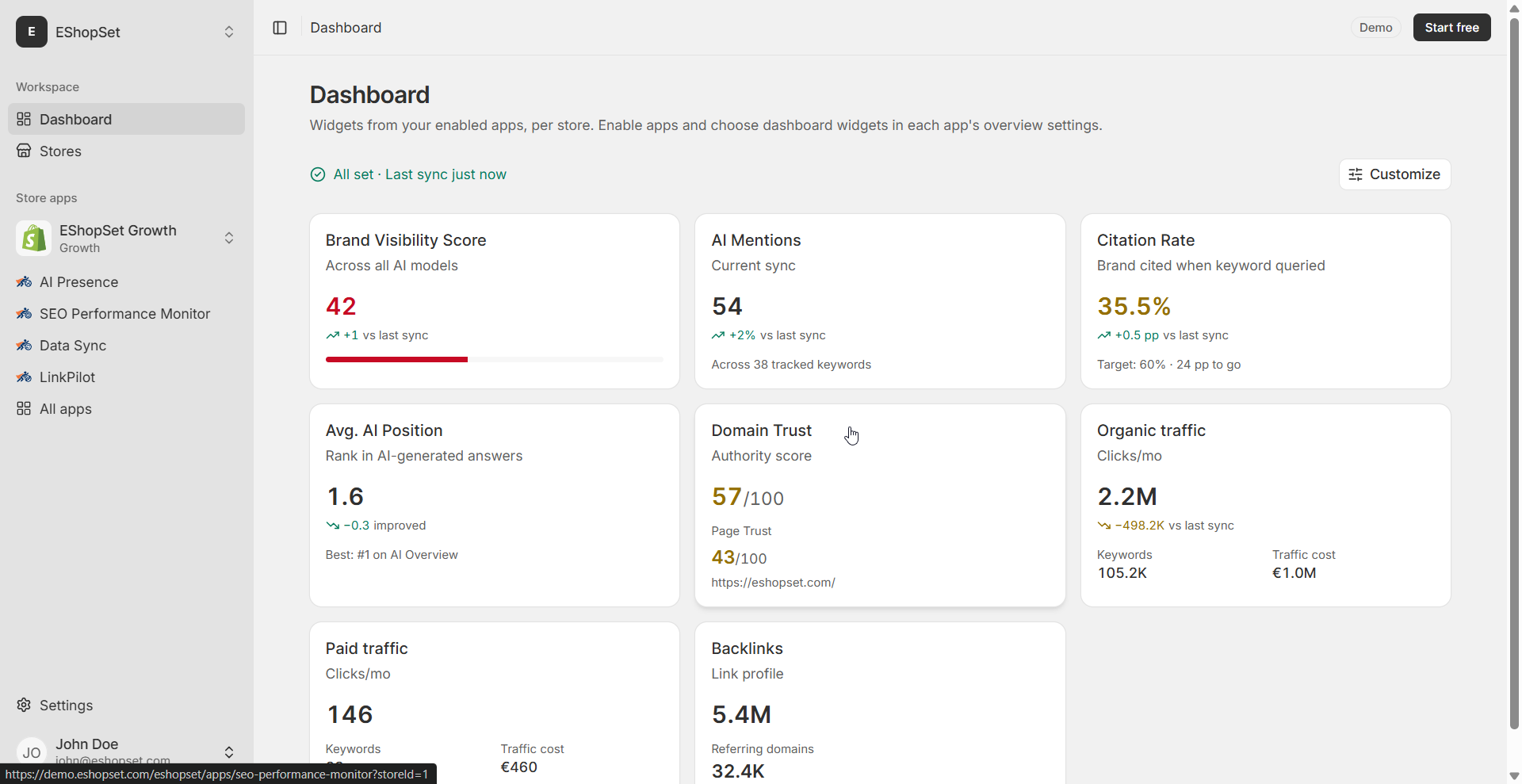
Monitor Performance Closely: Before you flip ads back on, pull your organic impressions and average position for your core terms from Google Search Console. This gives you a clean baseline. Once ads are live, use tools like SEO Performance Monitor to keep a close eye on your rankings, traffic, and keyword performance. Compare the queries that earn clicks organically with the search terms that spend money in Ads. Where there's strong overlap for non-branded terms, you might be paying for clicks SEO could capture, so you can adjust bids or ad copy.
-
Ensure Data Consistency: For Shopify merchants, accurate product data is paramount for both organic product listings and paid Google Shopping Ads. If you're frequently updating your inventory or adjusting prices, a tool like Sheet2Cart becomes invaluable. It allows you to manage your product catalog directly from Google Sheets, making sure any Shopify price and inventory update Sheets you make are accurately synced to your store. This consistency is crucial for your ad feeds and for maintaining trust with customers. Always remember to use the Shopify preview before apply catalog sync feature in Sheet2Cart to double-check everything before pushing changes live, ensuring your product data is flawless for both search engines and your ad campaigns.
-
Leverage AI for Content & Ads: Consider using AI tools, like our AI Presence app, to refine your product descriptions, optimize meta content, and even brainstorm compelling ad copy. Consistent, high-quality content across all touchpoints (organic listings, product pages, ad creatives) enhances both your SEO and your ad performance.
EShopSet Team Comment
We completely agree with the majority sentiment here: running Google Ads and investing in SEO are complementary strategies, not competing ones. Pausing a profitable ad campaign to solely focus on SEO is often a misstep that leaves money on the table. Shopify merchants should actively pursue both, using tools like our SEO Performance Monitor to track organic gains and Sheet2Cart to ensure product data consistency across all channels, including ad feeds. Your goal should be to dominate the search results, not choose one lane.
So, if you've been holding back on your Google Ads while your SEO builds, it's time to reconsider. The slow channel (SEO) can keep building its foundation while your ads cover the searches it hasn't reached yet. By running both strategically and monitoring your results, you'll create a far more robust and profitable online presence for your Shopify store.