Mastering Shopify SEO: Applying SEM Smarts for Organic Growth
Ever felt that familiar mix of excitement and a tiny bit of dread when diving into a new challenge? That's exactly what a recent community discussion captured, as one original poster shared their apprehension about taking on an SEO role with a strong SEM background. It's a feeling many Shopify merchants and store operators can relate to – especially when you're used to the immediate feedback loop of paid ads and now face the long game of organic search. The good news? The community rallied with fantastic advice that’s incredibly relevant for anyone looking to master their Shopify store's SEO.
Bridging the Gap: Your SEM Advantage in SEO
One of the most encouraging points highlighted by a community member was that an SEM background is actually a "HUGE advantage." You already understand search intent, click-through rates (CTR), and quality scores. These concepts translate directly to SEO, allowing you to pick up organic strategies faster than you might think. Instead of optimizing for bids, you're now optimizing for relevance and authority.
Actionable Steps for Shopify Merchants to Conquer SEO
So, what should you know and do to set your Shopify store up for SEO success? The community's wisdom can be distilled into several key areas:
- Leverage Your SEM Data: Your Secret Weapon.
Think of your high-converting SEM keywords as a treasure map. As one respondent wisely put it, "Look at your high-converting SEM keywords—those are the keywords you should prioritize for your SEO content strategy." You already have proof of what makes people buy. Use this data to inform your organic content and product page optimization. It’s about understanding what truly drives conversions, not just traffic. - Master Google Search Console (GSC).
If Google Ads is your playground for SEM, then GSC is your essential diagnostic tool for SEO. "It’s not optional," emphasized a community member. Spend time daily exploring performance reports, indexing coverage, and core web vitals. This is where you’ll see how Google views your Shopify store, identify issues, and track your organic progress. This data is crucial for any effective Shopify SEO overview dashboard, helping you make informed, data-driven decisions about your store’s online visibility. - Focus on User Intent Over Sheer Volume.
A common pitfall for beginners is chasing high-volume keywords that don't convert. As another expert explained, "ranking #1 for a high-volume keyword is useless if the searcher isn't looking for what you offer." Your SEM experience here is invaluable: you understand transactional intent. Apply that same thinking to SEO, ensuring your content and product pages match what users are truly searching for – whether it’s informational, commercial, or transactional. - Build a Solid Technical SEO Foundation.
You don't need to be a developer, but understanding the basics of technical SEO is non-negotiable. Key areas include crawlability (can Google find your pages?), indexing (are your pages in Google's index?), mobile-friendliness, and site speed. A slow or inaccessible site is "dead" in the eyes of search engines. Shopify generally handles many technical aspects well, but regular checks are still vital. - Content is Your Product: Embrace E-E-A-T.
In SEO, you earn your spot. Google's current focus is on E-E-A-T (Experience, Expertise, Authoritativeness, Trustworthiness). If your content isn't useful, high-quality, and demonstrates these qualities, it won't rank. This means creating valuable product descriptions, blog posts, and guides that genuinely help your customers and establish your brand as an authority. - Accept the Long Game and Set Expectations.
Unlike the instant gratification of SEM, SEO results take time. "SEO results take 3-6 months minimum," advised one respondent. This patience-based approach requires setting realistic expectations for yourself and, if applicable, your team. Consistent effort over time yields compounding growth. - Conduct Smart Competitor Analysis.
Identify your top competitors in terms of search presence and social mentions. One community member suggested creating a plan to "copy what they have done with improved frequency." This doesn't mean blindly duplicating, but understanding their successful strategies in backlinks, content, and social engagement, then innovating and doing it better.
EShopSet Team Comment
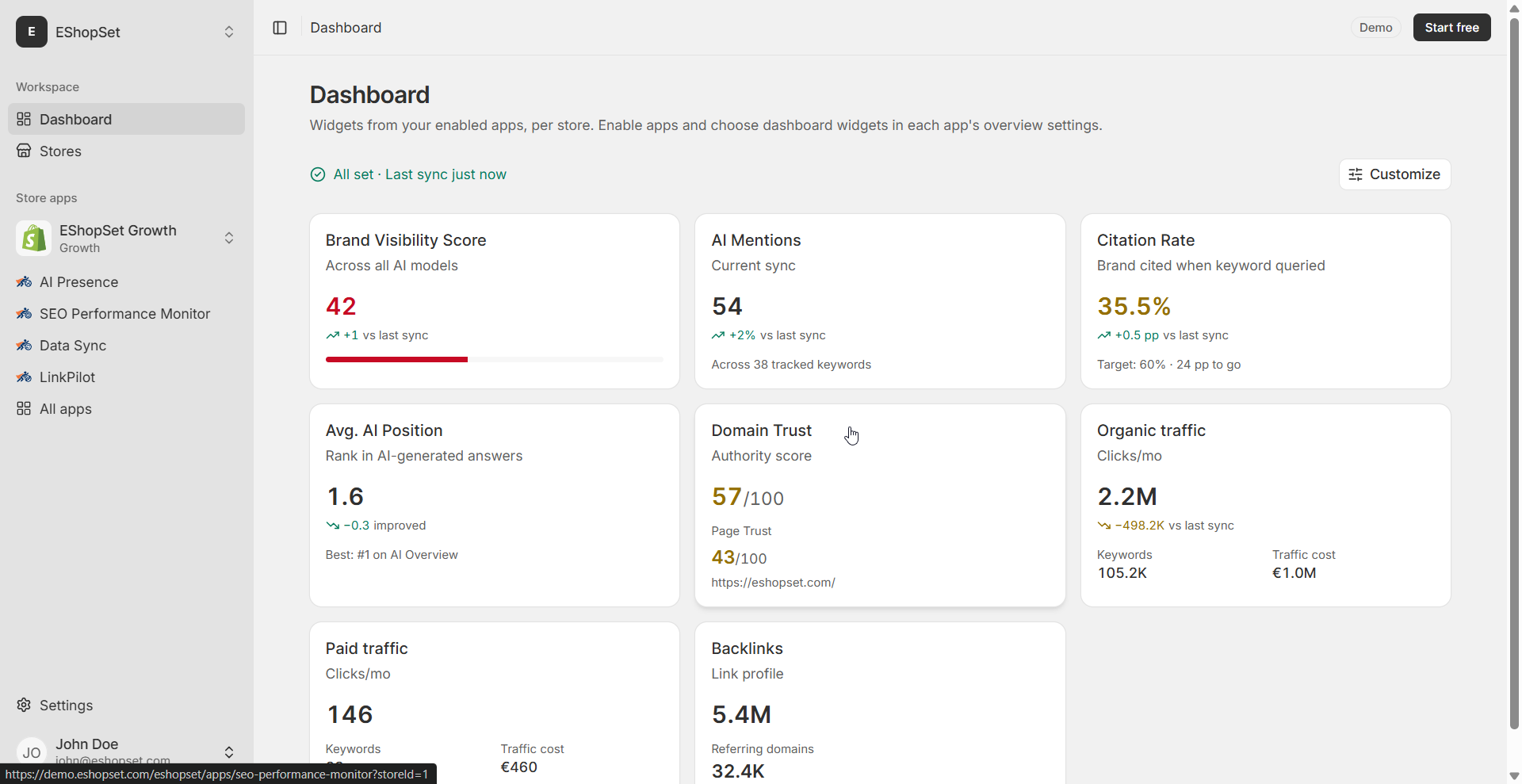
We wholeheartedly agree with the community's emphasis on data-driven decisions and foundational SEO. For Shopify merchants, translating these insights into daily operations is key. Our SEO Performance Monitor app provides that crucial Shopify SEO overview dashboard, pulling vital GSC data directly into your store's admin, helping you track crawlability, indexing, and keyword performance at a glance. For enhancing your E-E-A-T and content strategy, AI Presence can assist in generating high-quality, intent-focused content. And for ensuring your product catalog is always optimized and ready for search, Sheet2Cart simplifies bulk product data management, making sure your product details are accurate and SEO-friendly.
The journey from SEM proficiency to SEO mastery can feel daunting, but as this community discussion shows, you're not alone. By leveraging your existing analytical skills, focusing on user intent, mastering tools like GSC, and committing to consistent, high-quality content, you'll build a robust organic presence for your Shopify store. Dive in, learn, and watch your organic traffic grow!