Making Your Shopify Store Audit Actionable: Insights from the Pros
Ever felt overwhelmed by a long list of "problems" after a website audit? You're definitely not alone. It's a common challenge, especially in the fast-paced world of ecommerce. Recently, I stumbled upon a fantastic community discussion that really hit home for anyone managing an online store, particularly on platforms like Shopify. The original poster sparked a conversation asking what truly makes an audit useful, beyond just being a giant inventory of issues.
The sentiment was clear: a truly valuable audit isn't about the sheer volume of detected issues, but how those findings are prioritized and linked to real business impact. This resonated deeply because, as Shopify store operators, our time and resources are precious. We need to know where to focus our energy for maximum return.
Beyond the Checklist: Prioritization is Your North Star
One of the strongest themes emerging from the discussion was the critical role of prioritization. As one community member put it, "A long list of issues can feel overwhelming, especially when it's not clear which ones are actually affecting SEO or performance." This is spot-on. Imagine receiving a report detailing 50 technical issues. Without a clear hierarchy of urgency and impact, where do you even begin?
- Impact Explanation: A useful audit doesn't just list "slow LCP" (Largest Contentful Paint); it explains that this issue is affecting your product pages, which are crucial for conversions, and estimates the potential revenue loss or bounce rate increase.
- Quick Wins vs. Complex Fixes: Several respondents highlighted the importance of distinguishing between quick, easy fixes and more complex, long-term projects. This allows you to build a realistic action plan, tackling immediate gains while strategizing for bigger improvements.
- Effort vs. Reward: Understanding the effort required for a fix versus its potential business reward is key. Some low-effort fixes can yield significant gains, while others might be technically "perfect" but offer diminishing returns for your specific store.
Connecting Technical Issues to Business Outcomes
Another powerful insight from the discussion was the need to connect every technical finding to a tangible business outcome. "Poor LCP alone isn’t helpful," explained a community member. "Explain which templates are affected, whether they’re important landing or conversion pages, and what revenue or lead-generation risk that creates." This shifts the conversation from abstract technical jargon to concrete commercial value. For Shopify merchants, this means:
- SEO Visibility & Sales: If your product category pages have crawlability issues, what's the direct impact on organic search visibility for those products? What sales are you potentially losing?
- Page Speed & Conversions: A slow checkout process isn't just a "performance issue"; it's a direct conversion killer. How many abandoned carts is it causing?
- Security & Trust: A security vulnerability isn't just a "technical flaw"; it's a risk to customer data, brand reputation, and potentially legal issues.
The point here is that a "perfect" website might not even be necessary. The goal isn't always a 100/100 score, but rather to be competitive and ensure your technical foundation supports your business goals. If your competitors are struggling with similar issues, your focus might shift. If they're excelling where you're not, then those issues become high priority.
Actionable Recommendations Tailored to Your Capacity
The most valuable audits don't just point out problems; they offer clear, actionable recommendations that consider your store's resources and capacity. There’s little value in a technically perfect solution if it requires a team of developers you don’t have or disrupts your core operations.
This is where an expert approach moves from a problem inventory to a strategic roadmap. It's about empowering you, the merchant, to make practical decisions. For example, if you're a small team, a recommendation for a complex custom code overhaul might be less useful than suggesting a powerful app or a simpler theme adjustment that delivers 80% of the benefit with 20% of the effort.
Making Audits Work for Your Shopify Store
So, how do we apply these expert insights to our daily operations on Shopify? The key is to always think about the "why" behind every technical detail. When you're reviewing your store's performance or SEO, ask:
- What is the actual business impact of this issue? (e.g., lower rankings, fewer conversions, increased bounce rate)
- How urgent is this fix? Is it a critical blocker or a nice-to-have improvement?
- What's the effort required, and do I have the resources? Can I fix it myself, or do I need external help?
- What are the quick wins I can implement right now?
This structured thinking helps you translate complex technical reports into a clear, manageable action plan. For ongoing monitoring and tackling these areas effectively, leveraging the right tools is crucial. This is where solutions like the EShopSet Shopify apps bundle truly shine.
EShopSet Team Comment
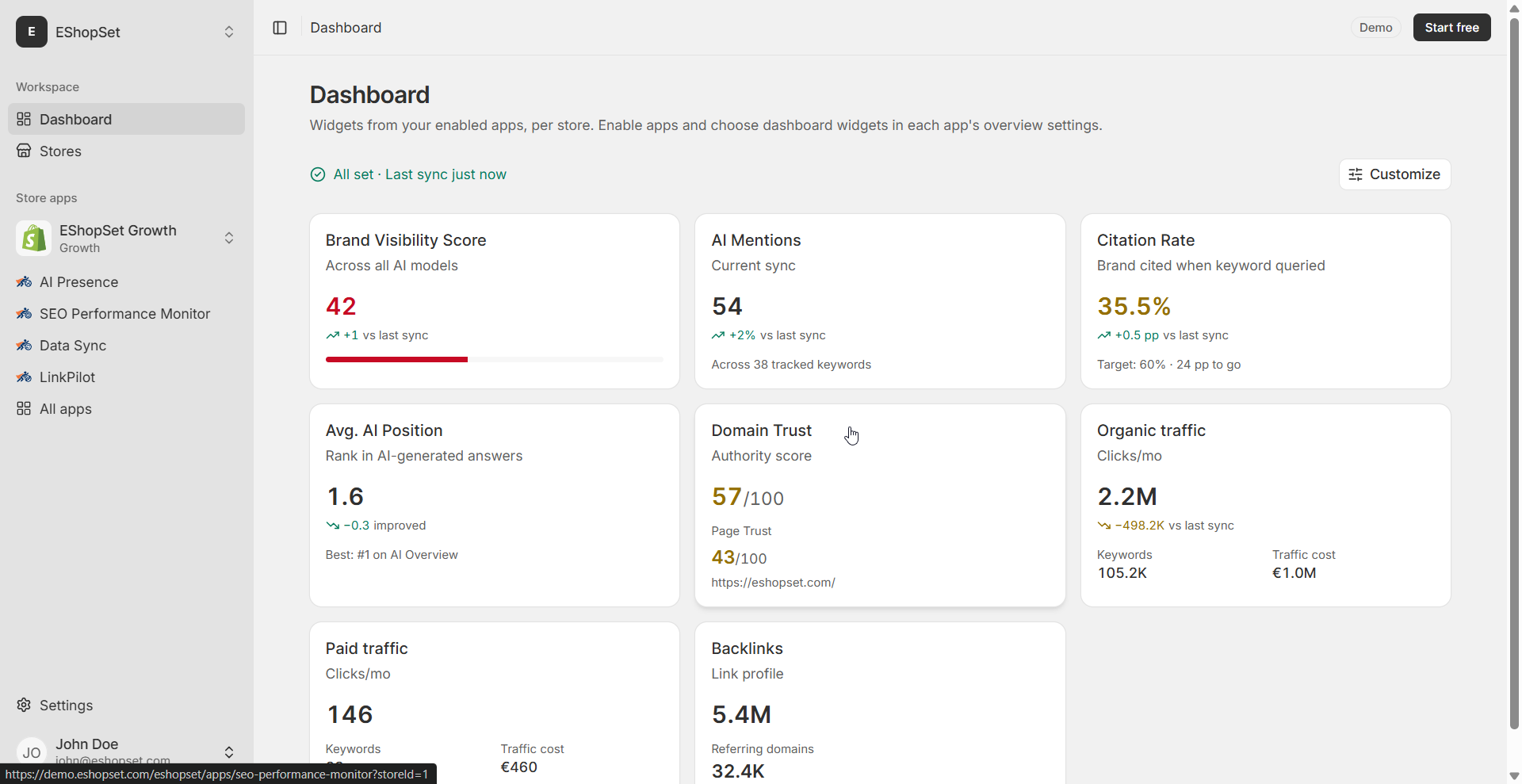
We absolutely agree with the community's consensus: an audit without prioritization and clear business impact is just noise. For Shopify merchants, actionable insights are paramount. Our EShopSet Shopify apps are designed specifically to turn data into action. The SEO Performance Monitor continuously tracks your store's visibility and helps identify critical SEO issues impacting your organic traffic, providing the context needed for prioritization. AI Presence empowers you to generate high-quality, conversion-focused content that directly addresses business outcomes, and Sheet2Cart streamlines product data management, ensuring your catalog is always optimized, efficient, and ready to support all your other efforts.
Your Daily Operations, Streamlined and Actionable
Ultimately, whether you're dealing with SEO, optimizing your product catalog, or enhancing your store's online presence, the principles of prioritization and business impact remain central. The goal is not a perfect score on every metric, but a thriving, growing ecommerce business. By focusing on what truly matters and leveraging intelligent tools, you can transform overwhelming lists of problems into clear, actionable roadmaps for success.