Is Your SEO Agency Truly Delivering? Community Insights on Performance & Transparency
Ever felt that nagging doubt about whether your SEO agency is truly pulling its weight? You're seeing some growth, but deep down, you suspect more could be happening? You're not alone. This exact sentiment sparked a lively discussion in an online community recently, and the insights shared are gold for any ecommerce store owner, whether you're on Shopify, WooCommerce, Magento, or BigCommerce.
The original poster, a pool service company owner, shared a classic dilemma. They’d grown from 10 to 400 accounts – impressive by any standard – but felt their SEO agency wasn't the primary driver. Instead, they attributed much of that success to their own relentless door-knocking, managing their Google Business Profile (GBP), and providing excellent service. Their frustration? The SEO agency seemed to be on a monthly checklist, with little tangible improvement in keyword rankings, a stagnant website, and a noticeable lack of backlinks. They wanted something "more robust and proactive."
The Disconnect: Growth vs. Perceived Value
Initially, some community members were quick to point out the significant growth, wondering why the original poster wasn't satisfied. "Damn... they took you from 10 accounts to 400 accounts and you're not happy?" one respondent asked. But the original poster clarified: the agency's contribution to online visibility, specifically website traffic and organic keyword improvement, felt minimal. They noted that nearly all their website traffic came from their self-managed GBP, not from direct organic search. When they raised these concerns, the agency's response was often defensive, lacking concrete data to back up their claims of doing "everything they can."
This highlights a crucial point for any store owner: growth is fantastic, but understanding its sources is paramount. If your website isn't a significant funnel for new business, and your SEO agency is supposed to be improving that, then there's a clear gap.
Key Insights from the Community: What to Look For (and Demand)
The discussion quickly shifted from skepticism to practical advice, offering a roadmap for evaluating SEO performance and agencies:
-
Transparency and Data are Non-Negotiable: A recurring theme was the absolute necessity for clear, actionable reporting. "The biggest red flag isn't the rankings, it's that after 3 years they can't show exactly what they're doing or how it's impacting your business," one community member wisely stated. Monthly reports should be comprehensive, detailing:
- Completed work and tasks
- Keyword movement and ranking improvements
- Website traffic (organic vs. other sources)
- Conversion rates and lead generation
- Technical fixes implemented
- A clear roadmap for the next month's activities
If your agency isn't providing this, it's time to ask why.
- Focus Beyond Rankings: Leads and Conversions Matter More: While rankings are a metric, they're not the ultimate goal. A respondent suggested asking for a "90-day local-search plan tied to service-area leads—not just rankings." This means looking at actual business outcomes: calls, form submissions, sales. For an ecommerce store, this translates directly to product page views, add-to-carts, and completed purchases. Your SEO strategy should directly support these conversion goals.
- Website Health & Content are Foundational: The original poster mentioned a "copy heavy" website that "doesn't flow page to page" and a lack of backlinks. These are critical issues. SEO isn't just about keywords; it's about providing a great user experience and valuable content. Community members recommended building "unique and helpful pages for {service} + {location} pages" and ensuring regular backlink acquisition. A comprehensive content strategy, internal linking, and citations are vital for local relevance and authority.
- The Power of the Audit: Before making any drastic moves, a common recommendation was to get an independent audit. "If your GBP is driving almost all your leads while organic traffic is flat, you should get a full technical and content audit from an independent SEO before signing with another agency." This audit will provide an unbiased view, telling you whether the bottleneck is the agency, the website itself, or simply the competitiveness of your market. This could be a "BigCommerce on-site seo audit" to scrutinize your product pages and category structure, or a "Shopify engineering audit store" to dive deep into site speed, indexing, and mobile responsiveness. Such an audit can also reveal hidden issues, like those a "Magento stress test checkout" might uncover, ensuring your site's performance doesn't hinder conversions, which in turn impacts your SEO signals.
Actionable Steps for Store Owners
So, how do you move forward if you're in a similar situation? Here's a practical checklist:
- Review Your Reports (or Lack Thereof): Demand detailed, transparent reports that show actual work done, keyword performance, traffic sources, and conversions. If they can't provide this consistently, that's a major red flag.
- Define Your KPIs Clearly: Work with your agency to set clear, measurable Key Performance Indicators that go beyond just rankings. Focus on leads, conversions, and revenue directly attributable to organic search.
- Request a Strategic Plan: Ask for a forward-looking plan that outlines specific tactics for improving content, acquiring backlinks, enhancing technical SEO, and optimizing local listings (if applicable). This plan should address your specific concerns, like improving website flow or targeting new service areas.
- Consider an Independent SEO Audit: This is perhaps the most crucial step. A third-party "Shopify engineering audit store" or "BigCommerce on-site seo audit" can objectively assess your current website's SEO health, identify technical issues, content gaps, and competitive landscape. It gives you leverage and clear data to either challenge your current agency or inform your search for a new one.
- Vet New Agencies Thoroughly: If you decide to switch, ask prospective agencies about their reporting practices, how they measure success (beyond rankings), their approach to technical SEO, content strategy, and backlink building. Don't be afraid to ask for case studies that demonstrate results tied to business growth, not just vanity metrics.
EShopSet Team Comment
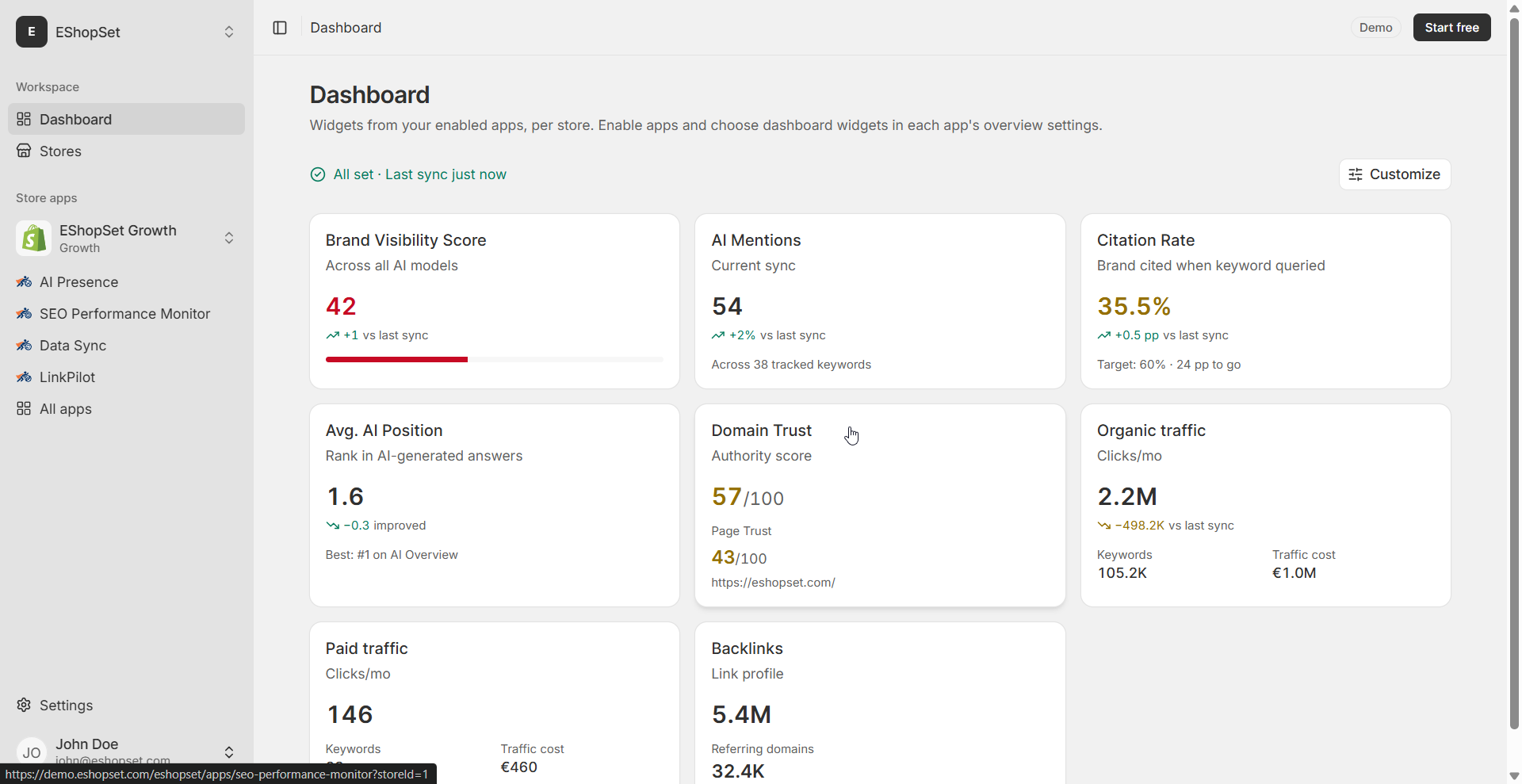
This discussion perfectly illustrates why transparency and actionable data are paramount in ecommerce operations. Store owners need to see exactly what their SEO partners are doing and how it translates into tangible business results, not just generic checklists. At EShopSet, we believe in empowering merchants with the tools to monitor every aspect of their store's performance. An app bundle for SEO analytics and technical monitoring would be invaluable here, helping store owners conduct their own "BigCommerce on-site seo audit" or "Shopify engineering audit store" and verify agency claims, ensuring they're getting true value.
Ultimately, your ecommerce store's online presence is too important to leave to guesswork. By understanding what to demand from your SEO partners and how to independently assess your site's health, you can ensure your digital marketing efforts are truly driving the robust, proactive growth you deserve. It’s about being an informed operator, not just a satisfied client.