Beyond Technical Fixes: Unlocking Organic Visibility for Your Shopify Store
It's a familiar story for many Shopify merchants: you launch your dream store, meticulously craft your products, and then dive headfirst into the world of SEO. You run audits, fix broken links, optimize meta titles and descriptions – all the 'hygiene factors' – only to search for your target keywords and find your store nowhere in sight. Sound familiar?
That's exactly the challenge a community member recently faced. They sell exquisite, high-end knitwear made from rare organic yak wool, a specialized niche. They had focused on owning terms like yak wool sweater and yak wool apparel, fixed their technical SEO issues based on an audit, but still couldn't crack the top 5 pages of search results. Their frustration was palpable: "Where do I actually start? What are the low-hanging, high-impact changes that made the biggest difference for your store’s organic visibility?"
The Hard Truth: Technical SEO is Just the Beginning
The original poster hit on a crucial point: technical fixes are indeed just the 'hygiene factor.' They ensure search engines can properly crawl and understand your site, but they don't automatically grant authority or top rankings. Especially for a new brand, battling established competitors with decades of SEO investment and thousands of backlinks is a monumental task.
As one community member wisely pointed out, when they searched for the brand's name, it appeared number one – which is great for brand recognition. But for competitive shopping keywords, expecting quick wins is "a pipe dream and unrealistic." SEO is a long game, not a sprint.
actionable steps for boosting organic visibility
1. Optimize for Near-Miss Keywords with Google Search Console
One of the most actionable pieces of advice came from a community member who suggested: "Search Console's Performance report, filter by position 11-30. Those pages already rank some, so tightening content there tends to help faster than chasing new terms."
This is a brilliant strategy for new stores. Instead of trying to rank for highly competitive terms from scratch, focus on keywords where you're already on the cusp of page one. Here’s how:
- Access Google Search Console: Connect your Shopify store to Google Search Console if you haven't already.
- Navigate to Performance Report: Go to the 'Performance' section.
- Filter by Position: Apply a filter for 'Position' greater than 10 and less than 31 (or 20 for even tighter focus).
- Identify Opportunities: Look for keywords and pages that are ranking on page two or three. These are your low-hanging fruit.
- Enhance Content: For these identified pages, review and enrich the content. Can you add more detail, better descriptions, relevant images, or answer related questions? Make the page more comprehensive and user-friendly, ensuring it fully satisfies the search intent for that keyword.
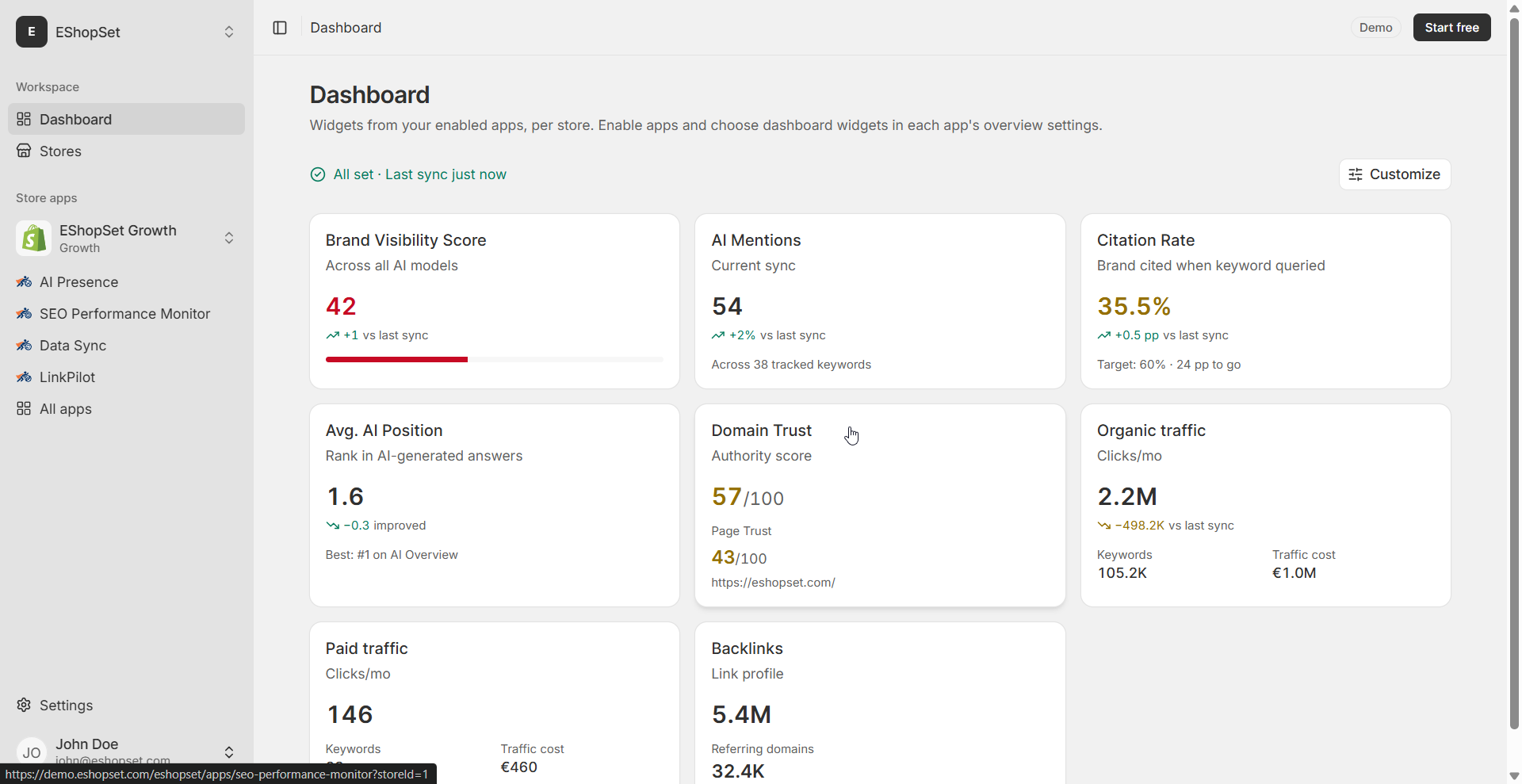
- Monitor Progress: Keep a close eye on these keywords. Tools like EShopSet's SEO Performance Monitor can help you easily track Shopify keyword positions and see how your changes impact rankings over time.
2. Embrace Paid Ads for Immediate, High-Intent Traffic
While the original poster initially hesitated after a less-than-successful Meta ads campaign, the community strongly advocated for Google Shopping Ads. The reasoning is clear:
- Intent Matters: As a respondent explained, "When someone searches Google for 'yak wool sweater' for example, there is a very good chance the person wants to buy one, so the traffic is of a higher quality." People on social media are browsing; people on Google are searching with intent.
- Immediate Visibility: For competitive keywords, paid ads offer immediate visibility that organic SEO simply cannot provide for a new store. This allows you to generate sales and gather data while your organic strategy matures.
- Learning Opportunity: Running Google Shopping Ads, even with a modest budget, can teach you a lot about which products convert, what price points work, and how your target audience searches.
Don't burn money, but learn to set up Google Shopping Ads properly to get your cost per click down. This can be your 'ticket' to getting seen for those crucial shopping terms.
EShopSet Team Comment
We completely understand the frustration of seeing little return after significant SEO effort. The community's advice highlights a critical balance: foundational technical SEO, strategic content optimization for near-ranking terms, and leveraging paid channels for immediate high-intent traffic. EShopSet's SEO Performance Monitor is built precisely to help you track Shopify keyword positions and gain actionable insights from your SEO efforts, while AI Presence can assist in generating the rich, targeted content needed to build authority for your niche over time. It's about working smarter, not just harder.
The Long Game: Patience and Persistence
Ultimately, the consensus from the community is that organic ranking will come over time with consistent work. You have a great product and a well-designed site – a fantastic foundation. Your journey will involve:
- Continuous Content Creation: Keep creating valuable, targeted content around your niche. Think blog posts, buying guides, product stories – anything that demonstrates your expertise and unique value. This also feeds into building authority that AI models will cite.
- Building Backlinks (Organically): As your content grows, others will naturally link to it. Focus on creating link-worthy content and building relationships within your niche.
- Refinement: Every website owner is always refining. Continuously analyze your data, adjust your strategies, and make your site even better.
It’s humbling, but also hopeful. Combine the immediate impact of smart paid advertising with the steady, compounding growth of a well-executed organic SEO strategy, and you’ll be well on your way to unlocking your Shopify store's full potential.