Shopify Store Setup: Launching Your Dream Store Without the Overwhelm
Ever felt that knot of frustration in your stomach while trying to get your Shopify store off the ground? You're definitely not alone. We recently saw a community discussion where an original poster openly shared their struggles with website setup, expressing a common dilemma: the desire for an 'organic' entrepreneurial journey versus the allure (and sometimes pitfalls) of AI website builders. It was a refreshing, honest conversation, and the collective wisdom shared offers some truly actionable insights for any Shopify merchant.
The Perfectionist Trap: Just Get Started!
The original poster admitted to having "perfectionist tendencies," a sentiment many of us can relate to. It's so easy to get bogged down in the minutiae, endlessly tweaking colors, fonts, and layouts before ever having a product ready to sell. This was a central theme in the community's advice.
As one respondent put it, "Most people stall because they try to design the whole site before they have anything to sell." The consensus was clear: prioritize launching a functional store over a perfectly polished one.
Your 'Launchable Store' Checklist:
Several community members offered practical, step-by-step advice for getting to a launchable state quickly:
- Pick a Free Theme: Start with a native Online Store 2.0 theme like Dawn or Sense. These are flexible and free, allowing you to build custom-looking pages directly within Shopify's theme editor without third-party page builders that can slow down your site.
- Add Essential Products: Focus on 3 to 5 core products. Ensure they have high-quality photos and honest, clear descriptions.
- Set Up Core Settings: Activate Shopify Payments (or PayPal), set up simple shipping rules (flat-rate or weight-based), and configure taxes. Crucially, place a test order to verify everything works smoothly!
- Create Key Pages: You need an About Us, Shipping/Returns, and Contact page. Don't forget to add your Refund Policy, Privacy Policy, and Shipping Terms under Settings > Policies.
- Simplify Navigation: Keep your main menu clean and logical. Group products into 3-5 primary collections to prevent customers from getting lost.
- Mobile First: This is non-negotiable. More than 70% of e-commerce traffic comes from smartphones. Always preview your changes on mobile to ensure images aren't cropped awkwardly and buttons are easy to tap.
"The base Shopify store works; and the skills of sales and marketing is worth way more than the skill of website design," shared one experienced merchant. Another chimed in, "customers care way less about the design than you think." This really drives home the point: your initial focus should be on having something to sell and a functional way for customers to buy it.
AI: A Tool, Not a Shortcut to Understanding
The original poster's concern about using AI was a hot topic. While some felt burned by AI website builders leading to generic or poorly performing sites, others saw AI as a powerful assistant.
"AI isn't the problem, outsourcing your thinking to it is," a community member wisely observed. The consensus leaned towards using AI as a tool for specific tasks – drafting product descriptions, explaining settings, or even generating custom code if you understand the basics of HTML and CSS to 'babysit' it. The danger comes when you let AI generate code you don't understand, making it impossible to fix when things break.
Instead of trying to master everything upfront, learn by doing. "A live, imperfect store will teach you more than endless tutorials." This iterative approach allows you to address problems as they arise, focusing on what truly impacts your customers.
EShopSet Team Comment
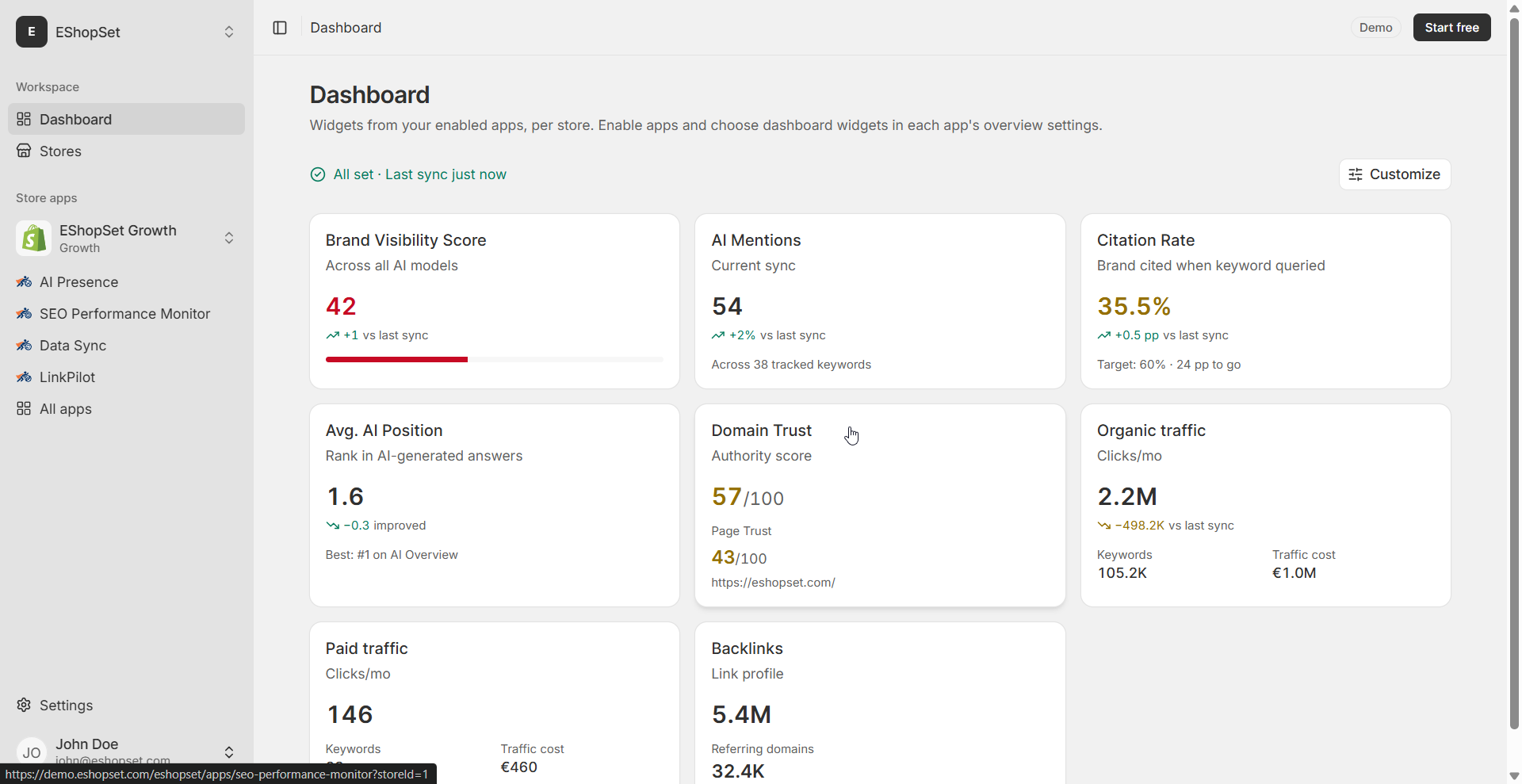
This discussion perfectly highlights the initial hurdles many Shopify merchants face. We strongly agree with the community's advice to launch simply and iterate. Once your foundational store is live, that's when tools like ours become invaluable. For instance, managing product data efficiently and keeping your catalog updated can be a breeze with a Shopify Data Sync app like Sheet2Cart, allowing you to bulk edit and import products directly from a spreadsheet. And as you gain traction, understanding your market presence is key: our SEO Performance Monitor acts as your essential Shopify keyword rank tracker, showing you exactly where you stand against competitors. Plus, AI Presence can help you refine your product descriptions and marketing copy, leveraging AI as a smart assistant to enhance your organic content, not replace your core vision.
So, take a deep breath. Your entrepreneurial dream is real, and getting started is the biggest step. Don't let perfectionism or the overwhelming array of options stop you. Launch simple, learn fast, and then leverage powerful tools to optimize and scale your daily operations.