Beyond the Buzz: Why Shopify Merchants Are Rethinking WhatsApp Channels for Marketing
Hey everyone! As an ecommerce ops expert, I love diving into discussions where real Shopify merchants share their experiences. Recently, I stumbled upon a fascinating thread where a community member asked about using WhatsApp Channels for marketing. It's a great question, as we're all looking for those next-gen channels to connect with our customers, right?
The original poster was keen to understand how others were faring: how many followers they had, average reach, follower acquisition tactics, and an overall comparison to other marketing channels. They were clearly looking for some solid, real-world insights before committing to it.
The Community Weighs In: A Dose of Reality
What was striking about the responses, or rather, the lack thereof, was how quiet the room was. After a few automated messages from a bot, one direct response cut straight to the chase: "Worse results than email marketing. Too invasive."
This single, powerful comment really tells a story. While WhatsApp boasts a massive global user base, the "too invasive" part is a critical piece of feedback for any Shopify merchant. In today's competitive landscape, customer trust and comfort are paramount. Pushing into a personal space like WhatsApp, especially for marketing, can easily cross a line from helpful to annoying, leading to unsubscribes, or worse, a negative perception of your brand.
Think about it: email marketing, when done right, is permission-based. Customers actively opt-in, expecting to receive updates, promotions, or valuable content. They can easily filter, archive, or delete emails at their leisure. WhatsApp, on the other hand, often feels more immediate and personal. An unsolicited marketing message there can feel like an intrusion, disrupting their personal conversations and daily flow.
What This Means for Your Shopify Store
The takeaway here isn't necessarily to write off every new channel, but to approach them with a healthy dose of skepticism and a strong focus on your customer's experience. If a channel feels "invasive" to a significant portion of your audience, even if it has massive reach potential, it might do more harm than good.
So, if WhatsApp Channels aren't hitting the mark for many, where should Shopify merchants focus their energy for effective, non-invasive customer engagement and brand visibility?
1. Double Down on Owned Channels and Smart Engagement
- Email Marketing: As the community member pointed out, email still delivers. Focus on segmentation, personalization, and providing real value.
- SMS Marketing (with caution): Similar to WhatsApp, SMS can be invasive. Use it sparingly for urgent updates, flash sales, or critical delivery notifications, always with clear opt-in and opt-out options.
- Website Experience: Your Shopify store is your primary owned channel. Optimize it for speed, mobile responsiveness, and a seamless shopping experience.
2. Enhance Your Digital Presence Where Customers Are Looking
Instead of pushing into personal spaces, let's make it easier for customers to find you when they're actively looking for products like yours. This is where a strong organic presence truly shines.
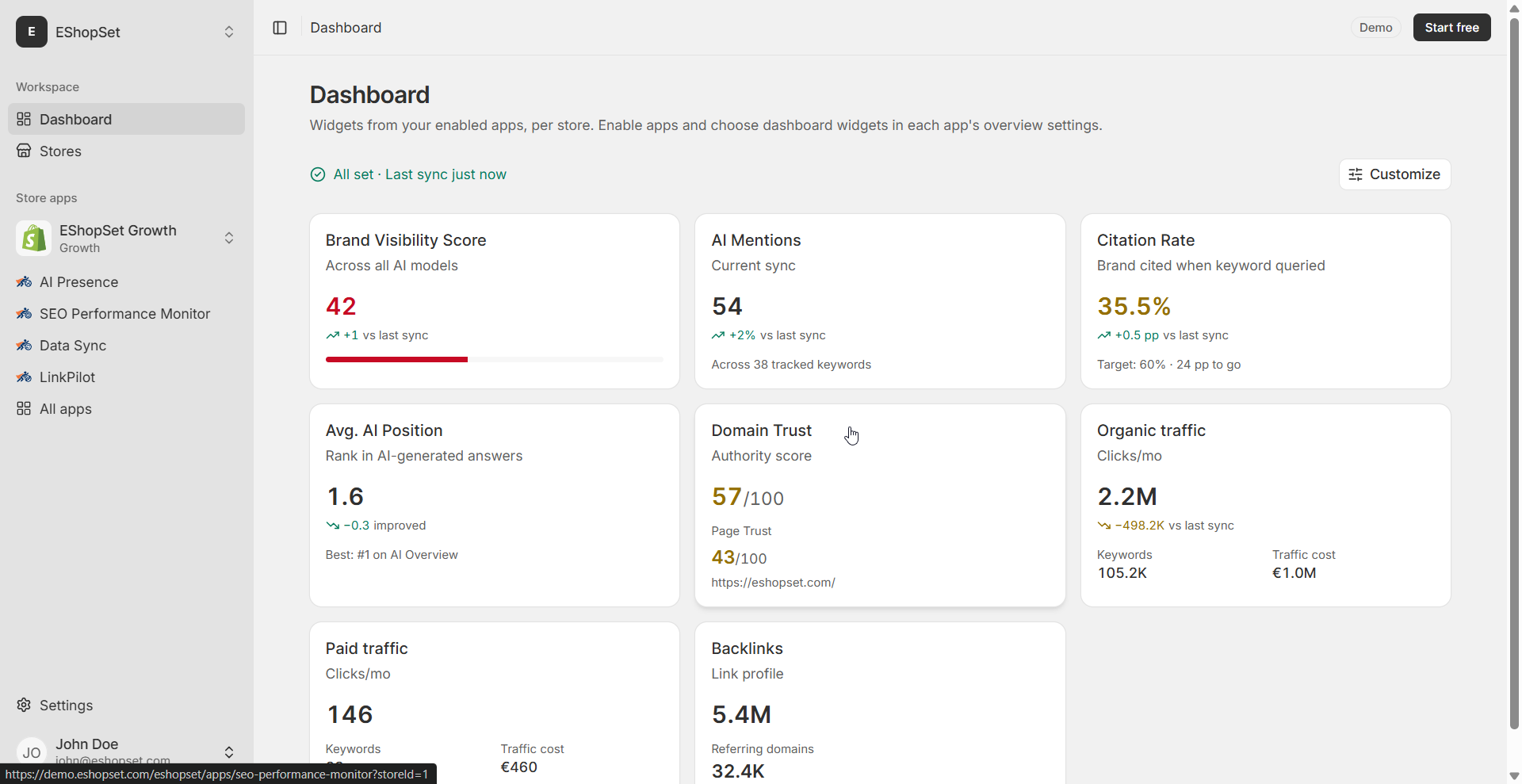
- SEO Performance: This is non-negotiable. Ensuring your products and store rank high in search results means you're meeting customers at their point of intent. Tools like SEO Performance Monitor can help you keep a close eye on your rankings, identify opportunities, and even track your competitors. Staying on top of your Shopify Markets SEO monitoring is crucial, especially if you're targeting different regions, ensuring your visibility is optimized for local search patterns and preferences.
- AI-Powered Brand Visibility: With the rise of AI in search and shopping, how your brand appears in AI-driven results is becoming increasingly important. AI Presence helps you optimize your content to ensure your brand's story, product details, and unique selling propositions are accurately and compellingly represented across AI platforms. This proactive approach helps you secure strong ChatGPT Shopping brand visibility Shopify, making sure AI understands and recommends your brand effectively.
3. Streamline Your Operations for a Better Customer Journey
Behind every great customer experience is efficient operations. If your product catalog isn't accurate or up-to-date, it impacts everything from SEO to customer trust. Sheet2Cart allows you to manage your product catalog directly from Google Sheets, making bulk updates, new product launches, and inventory adjustments a breeze. Accurate product data fuels better SEO and reduces customer service inquiries, contributing to a smoother, less invasive overall experience.
EShopSet Team Comment
We completely agree with the community's sentiment: customer experience should always lead marketing channel decisions. While exploring new channels is good, forcing your brand into a customer's private space can backfire significantly. For Shopify merchants, investing in robust SEO, leveraging AI for brand visibility, and maintaining a pristine product catalog with tools like SEO Performance Monitor, AI Presence, and Sheet2Cart offers a much more sustainable and customer-friendly path to growth than potentially invasive direct messaging apps.
Ultimately, the goal is to build relationships, not just push products. By focusing on channels where customers welcome your presence and by enhancing your visibility where they naturally seek information, you create a much more positive and effective marketing strategy. Keep experimenting, but always put your customer's comfort first!