Beyond Social & Search: Navigating Self-Serve CTV for Shopify Growth
Hey there, fellow Shopify merchants and store operators! We've all been there – you're crushing it on search and social, but then that familiar feeling creeps in: rising Customer Acquisition Costs (CAC). It's a signal that it's time to explore new horizons, and for many, that horizon is Connected TV (CTV) advertising. We recently stumbled upon a fantastic community discussion that really hit home for anyone looking to diversify their paid media strategy, especially for Q4 planning.
The original poster in this discussion laid out a common dilemma: how to find the best self-serve video tools for CTV, streaming TV advertising, and robust conversion tracking. Their paid media was heavily concentrated in search and social, and with CAC climbing, leadership was pushing for a third channel with real, measurable reporting. This isn't just about getting eyes on your brand; it's about moving the needle on your Shopify store's bottom line.
They noted a significant difference between platforms: some are truly self-serve, letting you get an ad running in an afternoon, while others require reps, insertion orders, and weeks of onboarding. But the biggest differentiator? Reporting. Impressions and completed views are one thing, but knowing if that spend actually drove sales – with proper post-view and cross-channel attribution – is a whole different ballgame. Let's dive into what the community had to say.
Community Insights: Choosing Your CTV Platform
One agency-side community member, running streaming campaigns for several ecommerce clients, quickly cut to the chase. They mentioned platforms like MNTN and tvScientific as common contenders on shortlists. For those leaning even more towards the self-serve end, Vibe and StackAdapt were highlighted. On the more enterprise, upmarket side, Tatari came into play. The crucial takeaway from their experience? It wasn't about how pretty the campaign builder looked; it was all about the depth of reporting after the flight, specifically site visit and conversion data. Their advice: run a small, experimental flight on two different platforms before committing significant budget.
Another valuable insight came from a respondent who urged everyone to ask a critical question of every vendor: “How do I prove your reported conversions wouldn’t have happened without the ad?” This is gold, folks. It's easy for platforms to dashboard impressions, completed views, and even post-view ROAS. But the true test of a serious performance platform lies in its ability to offer holdouts, incrementality testing, clear placement visibility, and usable data exports. These are the features that help you truly understand the impact of your CTV spend on your Shopify sales, rather than just admiring a “prettier TV report.”
A third contributor offered some specific platform recommendations. They suggested checking with your Google rep about the Google CTV Beta, which allows you to work directly from your Google account. Roku was also praised for having a great self-serve platform. However, a word of caution was issued regarding self-serve resellers of platforms like Amazon and TTD (e.g., Choozle). While they might seem convenient, this community member warned about potentially “crazy margins on top of media for poor results,” suggesting that a boutique agency might be a better investment if you don't have the expertise in-house.
EShopSet Team Comment
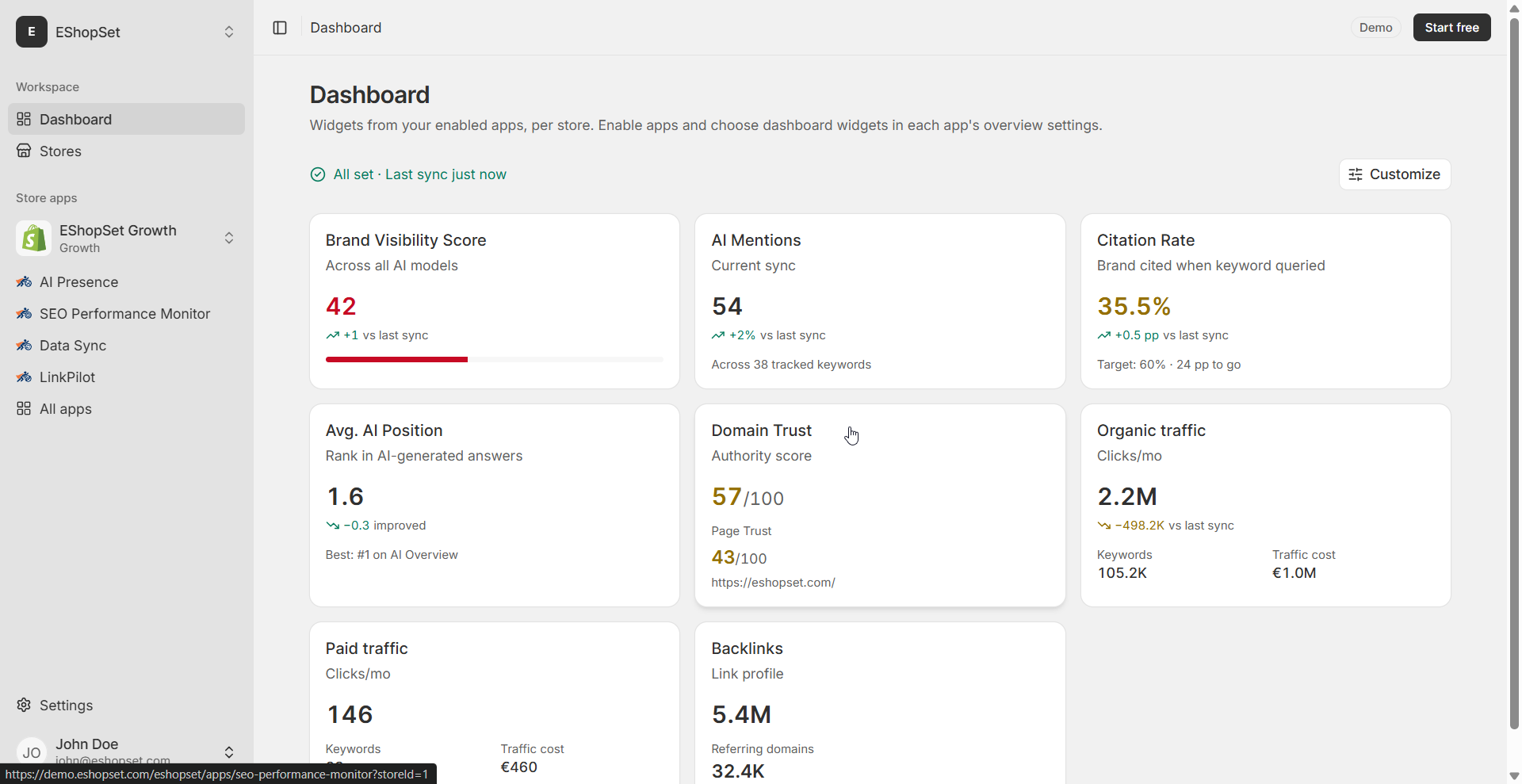
This discussion perfectly illustrates that regardless of how sophisticated your advertising channels become, the core strength of your Shopify store remains paramount. While EShopSet doesn't directly manage CTV campaigns, we believe a robust foundation makes any ad spend more effective. Ensuring your products are accurately represented and easily found through strong SEO, managed by our SEO Performance Monitor, and enhancing your brand's digital voice with AI Presence, means that when CTV ads drive traffic, those visitors land on a high-converting, trustworthy site. Furthermore, seamless product data management with Sheet2Cart ensures your catalog is always up-to-date, preventing frustrating customer experiences that can undermine even the best ad campaigns. Focus on your fundamentals, and your paid media will shine brighter.
Actionable Steps for Your Shopify Store
So, what does all this mean for you, the Shopify merchant looking to expand into CTV?
- Start Small, Test Smart: Don't jump in with both feet. Allocate a small budget to test 2-3 self-serve platforms. Focus on understanding their reporting capabilities before scaling.
- Prioritize Reporting Depth: Look beyond vanity metrics. Demand platforms that offer site visit data, conversion tracking, and, most importantly, incrementality testing. How can they prove the conversions were because of the ad, not just coincidental?
- Ask the Hard Questions: When evaluating vendors, don't shy away from asking about holdouts, placement visibility (which apps your ads appear on), and the ability to export raw, usable data for your own analysis.
- Consider Direct vs. Reseller: While self-serve is the goal, be mindful of reseller platforms. Sometimes, direct platforms like Roku or Google's beta (if available) might offer better value and transparency. If you're overwhelmed, a specialized boutique agency might be a better short-term investment than a high-margin reseller.
- Fortify Your Foundation: Remember that even the best CTV ad will fall flat if your Shopify store isn't optimized. This means having a strong daily Shopify SEO report to keep an eye on your organic performance, a compelling brand story powered by AI Presence, and impeccable product data managed by Sheet2Cart. A high Shopify domain trust score, built through consistent SEO efforts and a positive user experience, will inherently make your paid campaigns more effective.
Navigating the world of CTV advertising can feel complex, but with the right questions and a focus on measurable results, it can become a powerful new channel for your Shopify store. The insights from this community discussion underscore the importance of data-driven decisions and a critical eye for attribution. By combining smart ad spending with robust store operations, you're setting your brand up for sustainable growth.