Navigating the AI Shift: Why Your ChatGPT Referrals Might Be Plummeting
Alright, fellow Shopify merchants and store operators, let's talk about something that's been buzzing in the community – a sharp drop in referral traffic from AI platforms like ChatGPT. It's a real head-scratcher for many, and a recent discussion thread really brought the issue to light. Imagine waking up to find your best-converting channel, previously stable at 15 sessions a day, suddenly showing 0 to 4. That's exactly what the original poster described, noting a dramatic ~90% drop around October 9th, which never recovered even after a known UTM bug fix around October 15th. What makes it even more puzzling? The AI crawlers, like ChatGPT-User and OAI-SearchBot, were still actively visiting their pages, sometimes even more frequently than before!
The Great AI Referral Mystery: What's Happening?
The core problem, as laid out by the original poster, was a sudden, steep decline in actual human clicks from ChatGPT, despite continued (or even increased) bot activity. Sign-ups attributed to this channel went to zero, yet their Google traffic remained normal. This suggested that the issue wasn't a general SEO problem, but something specific to how AI was interacting with and directing traffic to their site.
Community Insights: Some Recover, Some Don't
The community discussion revealed a mixed bag of experiences. One respondent shared a positive story, reporting that their ChatGPT referrals not only recovered but surged to even higher numbers than before, sometimes seeing an extra 2000-3000 sessions. This shows that the impact isn't universal and might depend on various factors.
However, another community member, representing a mid-size accounting firm, echoed the original poster's exact sentiment: excellent ChatGPT traffic and conversions plummeted to zero around the same time. This confirmed that the issue was not isolated, pointing to a broader trend affecting certain types of content or businesses.
The 'AI Answers Directly' Hypothesis
Perhaps the most compelling insight from the discussion came from a community member who posed a crucial question: "Are those top landing pages pure text guides, or do they have something interactive on them? If the bot can scrape the whole answer cleanly, the user has zero incentive to actually click the citation link anymore."
This hits the nail on the head. For informational queries, if an AI model can extract the complete answer from your page and present it directly to the user within the chat interface (think widgets, bulleted lists, concise summaries), why would the user click through to your site? The AI has served its purpose, providing the answer without needing to send traffic elsewhere. This explains why crawlers might still visit (to gather information) but clicks would vanish.
What This Means for Your Shopify Store
This shift in AI behavior isn't just a glitch; it's a fundamental change in how information is consumed. For Shopify merchants, it means rethinking your content strategy, especially for pages that are primarily informational. Here's how to adapt:
- Diversify Content Value: If your content is purely textual and easily summarized by AI, consider adding unique value that requires a click. This could be interactive tools, calculators, exclusive downloads, comparison charts, or rich media that can't be easily scraped and presented in text.
- Focus on Product-Centric Content: While informational content is great for awareness, ensure your product pages and commercial content offer compelling reasons to visit. AI might answer "how do I..." but it won't fulfill "where can I buy..." directly without leading to a product. Optimize these pages for conversion, clear calls to action, and unique product descriptions.
- Enhance Internal Linking: A robust shopify internal linking app can help guide users deeper into your site, even if they land on an informational page that an AI cited. This ensures that once a user *does* click through, they are seamlessly led to relevant product or commercial pages, maximizing the value of that rare click.
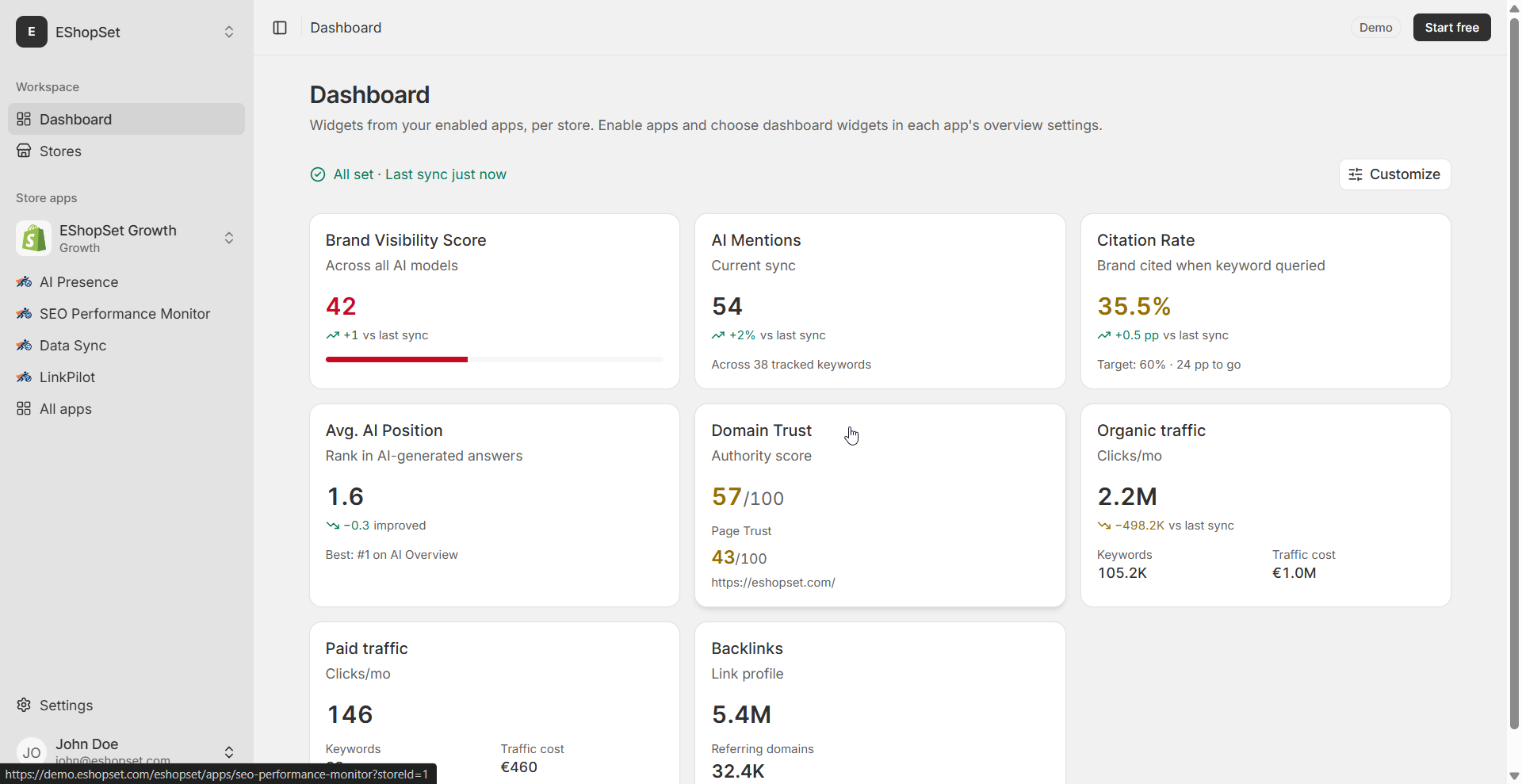
- Monitor Your AI Presence: Use tools like AI Presence to understand how AI models are interpreting and representing your products and content. Are they accurately citing you? Are they summarizing your unique selling propositions effectively? This insight is crucial for optimizing for this new search landscape.
- Keep Product Data Impeccable: If AI models are pulling product information, accuracy is paramount. Tools that offer hourly Shopify product sync from Sheets or Google Sheets to Shopify sync ensure your product catalog is always up-to-date, providing correct information to both AI and human users who might eventually click through.
EShopSet Team Comment
This community discussion highlights a critical evolution in how AI interacts with web content. We believe the "AI answers directly" hypothesis is spot on for many informational queries. For Shopify merchants, this isn't a death knell for content marketing, but a clear signal to pivot: focus on unique value, compelling product experiences, and robust internal navigation. Our AI Presence app is built to help you understand and optimize for this new reality, ensuring your store remains visible and clickable in an AI-dominated search environment.
The takeaway here is adaptation. The digital landscape is always changing, and AI's role in search is evolving rapidly. By understanding these shifts, monitoring your performance with tools like SEO Performance Monitor, and strategically adjusting your content and site architecture, you can turn a potential challenge into an opportunity to strengthen your direct engagement and brand loyalty. Keep experimenting, keep optimizing, and keep those Shopify stores thriving!