Navigating the New Frontier: AI Agents vs. Malicious Bots at Your Shopify Checkout
The world of ecommerce is constantly evolving, and with the rise of AI, we're seeing new challenges and opportunities emerge almost daily. Recently, a fascinating discussion popped up in an online community that really hit home for many Shopify merchants: how do you tell if an AI agent hitting your checkout is actually backed by a real person, or just some bot trying to game your store?
The original poster brought up a timely concern: they were noticing more non-human traffic reaching checkout, not just browsing. While some of it appeared to be legitimate AI agents shopping for someone, a significant portion felt like bots trying to snatch limited stock or abuse discount codes. The core problem? A lack of clear differentiation. Imagine 50 bots clearing out your inventory during a flash sale – a nightmare scenario for any store owner!
The Community Weighs In: Opportunity or Threat?
This question sparked a lively debate. Interestingly, some community members initially wondered, "Wait, if bots are buying my products and actually paying, isn't that a good thing? How can I capitalize on this new 'consumer population'?" It's a valid point – a sale is a sale, right?
However, others quickly highlighted the potential downsides that turn a supposed 'sale' into a serious problem. The main concerns revolved around:
- Refunds and Chargebacks: What if these bot-driven purchases lead to a wave of refunds, tying up inventory and payment processing?
- Inventory Abuse: Malicious bots could lock up valuable inventory during sales, preventing real customers from buying, only to abandon carts later or create a secondary market for scalping.
- Discount Code Exploitation: Bots could repeatedly use single-use discount codes or exploit public ones.
- Click Fraud: One respondent pointed out that bots abandoning checkout might actually be click fraud bots, generating fake conversions to inflate traffic quality scores for advertisers.
Another helpful distinction was made between a "buying agent" (acting on behalf of a human to complete a purchase) and a "discovery agent" (crawling for product/price info, shipping, or tax indexing). Most uncompleted checkout traffic is likely the latter.
Current Defenses: Treating All Agents as Suspicious (for now)
So, what are merchants doing right now? The consensus from the thread is that most stores are still treating all agent-like traffic as suspicious by default, relying on established bot detection signals. These include:
- Checkout Velocity: Monitoring how quickly and frequently checkouts are initiated from a particular IP or device.
- Device Fingerprinting: Analyzing unique characteristics of the device accessing the store to identify non-human patterns.
- Requiring Account Login: For limited-stock items or high-value products, mandating a registered account can add a layer of human verification.
- Cart Timers: Implementing timers that release inventory after 10-15 minutes if a checkout isn't completed can prevent bots from indefinitely locking up stock.
The idea of a "human-backed AI agent" – where the agent carries some proof that a real, verified person is accountable for its actions – was mentioned as an emerging solution, with tools like AgentKit and Skyfire attempting to solve this. However, it's still early, and a widely adopted, easy-to-integrate standard isn't here yet.
EShopSet Team Comment
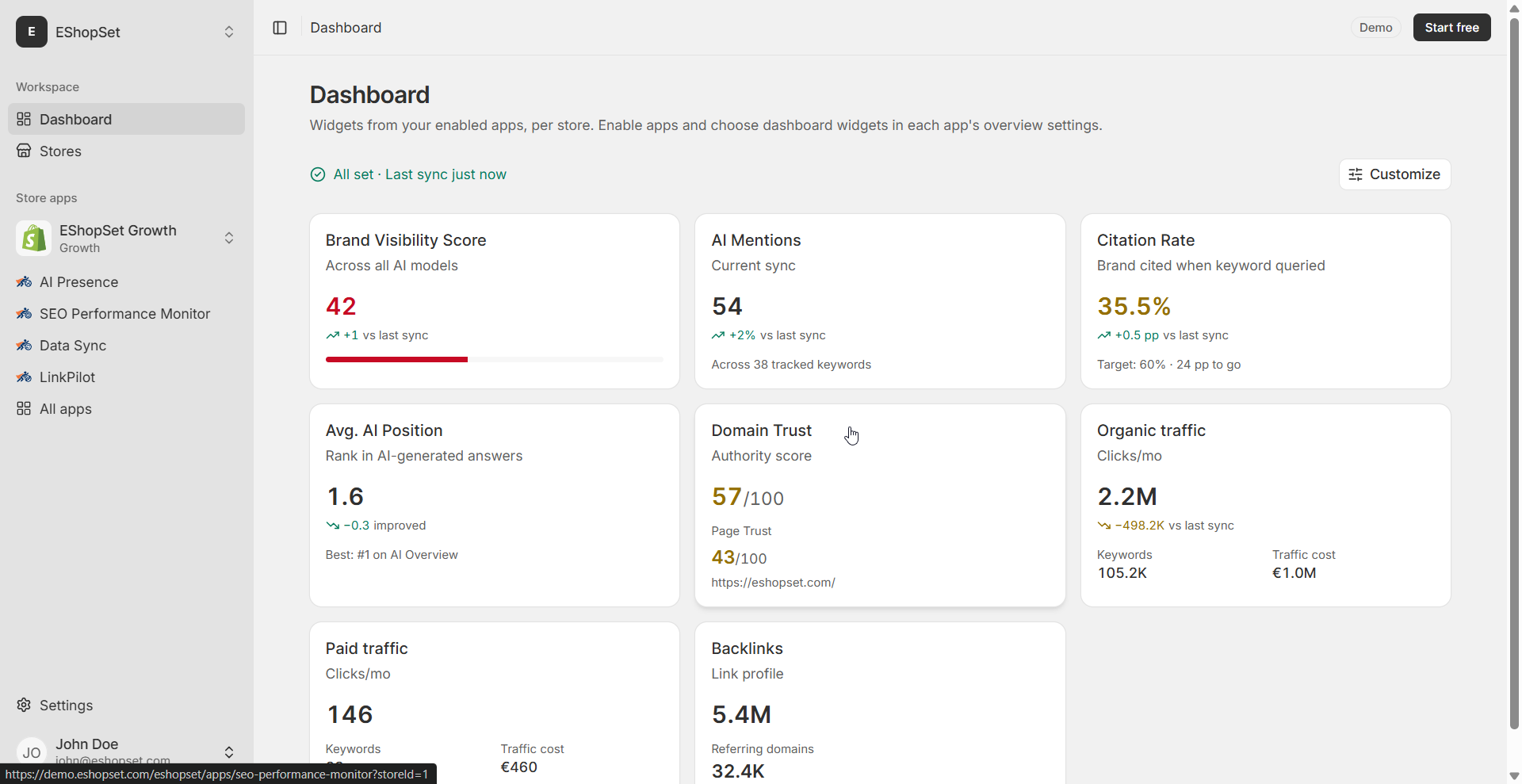
This discussion perfectly illustrates the double-edged sword of AI in ecommerce. While AI promises incredible efficiencies and new avenues for customer interaction, it also introduces novel security challenges. At EShopSet, we believe merchants need robust tools to both embrace legitimate AI interactions and vigorously defend against malicious automation. Our AI Presence app helps ensure your store is optimized for discovery by helpful AI agents, turning potential traffic into real customers. Simultaneously, for managing your product catalog and ensuring accurate stock levels, especially when dealing with potential inventory disruptions from bots, Sheet2Cart is invaluable for reliable scheduled Shopify product sync. And don't forget SEO Performance Monitor to keep an eye on your store's overall health amidst evolving traffic patterns.
Protecting Your Store in the AI Era
While the definitive "human-backed AI" solution is still on the horizon, Shopify merchants aren't powerless. The key takeaways from the community discussion and our expert view are clear:
- Stay Vigilant: Continuously monitor your traffic, especially at the checkout stage, for unusual patterns.
- Leverage Existing Fraud Tools: Don't underestimate the power of your current bot detection and fraud prevention measures.
- Master Your Inventory: Robust inventory management is crucial. Tools like EShopSet's Sheet2Cart can ensure your stock levels are always accurate through scheduled Shopify product sync, helping you recover quickly if inventory is temporarily locked up by bad actors.
- Embrace Good AI, Defend Against Bad: Optimize your store for legitimate AI discovery with solutions like EShopSet's AI Presence, but be prepared to treat unverified AI traffic with a healthy dose of suspicion.
- Stay Informed: Keep an eye on new developments in AI verification and fraud prevention. This space is moving fast!
The rise of AI agents is a significant shift, but with the right tools and strategies, you can navigate this new landscape, protect your store, and even find new opportunities for growth.