Navigating High-Volume Payments: A Guide for Shopify Merchants in Niche Markets
Running a successful Shopify store involves a delicate balance of product, marketing, and operational efficiency. For many merchants, especially those in niche or "high-risk" categories, payment processing can become an unexpected bottleneck. We recently observed a compelling discussion within an online community that sheds light on a critical challenge: managing high volumes of direct customer payments and maintaining stable banking relationships.
The original poster, a UK-based Shopify merchant, shared a common yet often unspoken issue. Their store, leveraging an open banking provider, was experiencing excellent conversion rates and a clear path to significant revenue growth. The problem? The open banking system routed individual payments directly to their bank account. Receiving ten or more individual transfers daily, as their business scaled, led to their banks repeatedly closing their accounts. With the payment provider unable to offer batched payouts or hold funds, the merchant found themselves in a difficult position, unable to fully capitalize on their success.
The Core Problem: High-Volume, Direct Transfers & Banking Relationships
This scenario highlights a critical operational bottleneck for scaling e-commerce businesses. While the open banking setup provided strong conversion, the absence of a batching mechanism created a compliance and risk management headache for traditional banks. Banks are designed to monitor for unusual activity, and frequent, numerous small, direct transfers can be flagged as potentially suspicious, triggering account reviews and, ultimately, closures.
The original poster was clear: their banks were closing accounts due to the sheer volume and pattern of transactions, not necessarily the specific product being sold. This differs significantly from how payment processors like Shopify Payments might decline a merchant based on a "high-risk" product category. For banks, the concern often revolves around Anti-Money Laundering (AML) regulations and financial crime prevention, where a sudden influx of many small, direct transfers without clear aggregation can raise red flags.
Why Banks Flag High Transaction Volumes
From a bank's perspective, a sudden or consistent pattern of numerous small, direct transfers can indicate several potential issues:
- Money Laundering Risk: Banks have strict obligations to prevent money laundering. Many small transactions can be a tactic to obscure the true source or destination of funds.
- Fraud Prevention: A high volume of transactions, especially from diverse sources, can sometimes be associated with fraudulent activities, even if legitimate in the merchant's case.
- Operational Burden: While less critical than compliance, managing and reconciling a very high number of individual transactions can be an operational strain for some banking systems not designed for direct merchant settlement.
- Lack of Transparency: Without a clear payment processor acting as an intermediary, the bank has less visibility into the nature of the transactions, making them appear riskier.
It's crucial for merchants to understand that banks often operate under a "better safe than sorry" principle when it comes to compliance. If a transaction pattern appears unusual or difficult to explain, closing an account might be seen as the simplest way to mitigate potential regulatory risk.
Community Solutions & Expert Advice
The community discussion brought forth several valuable perspectives and potential strategies:
- Engage Your Payment Provider for Bank Recommendations: A helpful suggestion was to inquire if the open banking provider had any recommended banks accustomed to handling high volumes of merchant transfers. They might have encountered this issue with other clients and could offer insights into banks more flexible with such transaction patterns.
- Proactive Business Banking: Rather than trying to "hack around" the issue, a more sustainable approach involves speaking directly with business banking providers. Explaining upfront that you receive a high volume of customer bank transfers through an open-banking payment flow can help you find a bank comfortable with your operational model. The ideal fix is an account or provider that is explicitly comfortable with that transaction pattern, or a payment setup that settles funds in batches.
- Explore Batched Payouts: The original poster mentioned exploring options for batched payouts, which is a critical step. A single, larger daily payout, for instance, might be perceived differently by banks than numerous small individual transfers, even if the total volume is the same. This aggregates risk and simplifies reconciliation for the bank.
- Understand the "High-Risk" Nuance: While the original poster clarified their banks were concerned with transaction volume, not product type, a community member rightly pointed out that banks eventually care about the source of funds. Merchants in "high-risk" niches must be prepared for increased scrutiny and proactive transparency.
Building Operational Resilience with EShopSet
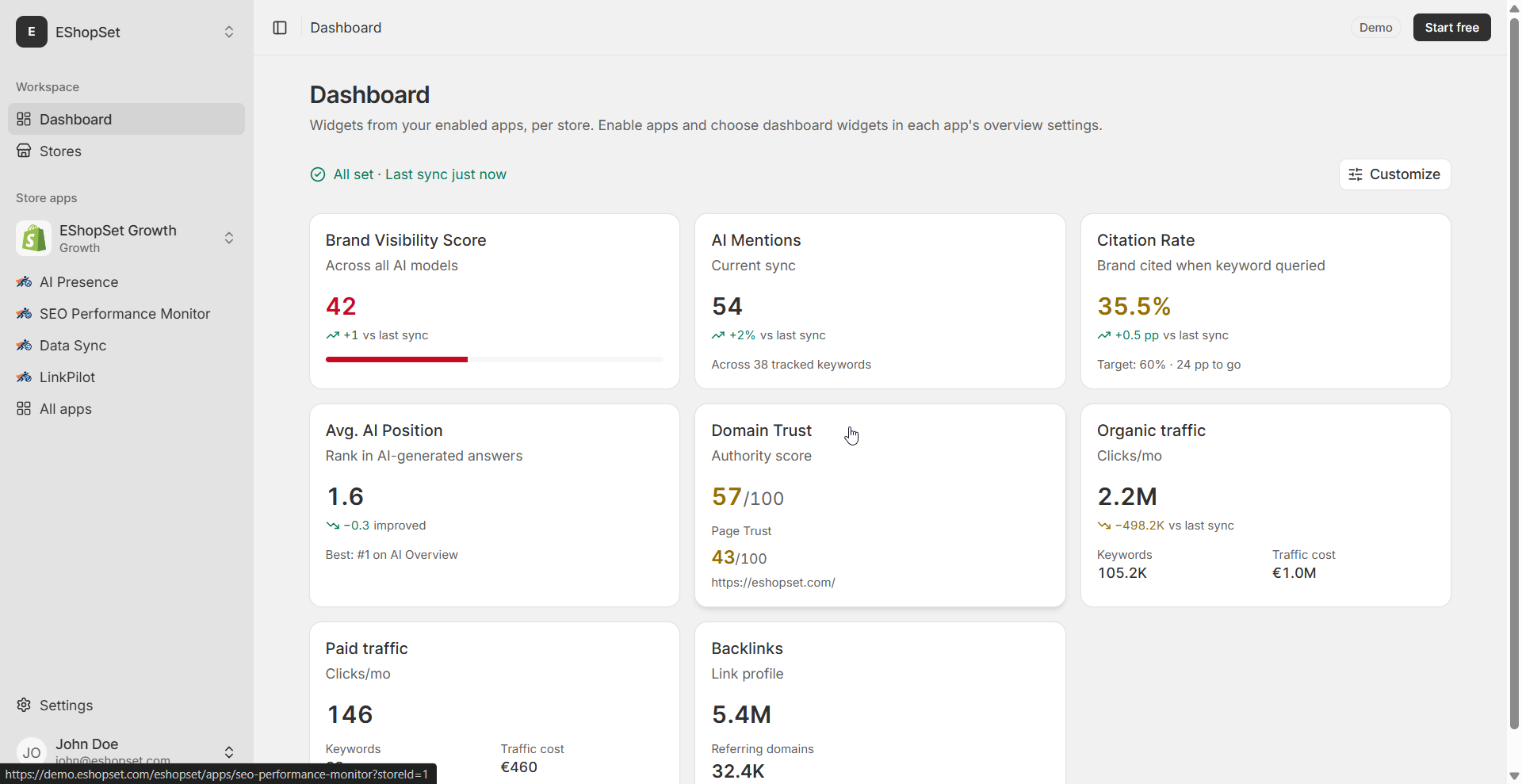
While directly addressing payment processing, the underlying challenge for the original poster was maintaining business continuity and scalability. A robust operational framework is key to navigating such hurdles. EShopSet provides a suite of Shopify apps designed to empower merchants in their daily operations, contributing to overall business health and resilience, even when facing external challenges like banking issues.
Streamline Your Data for Financial Clarity with Data Sync
Accurate and accessible data is paramount, especially when dealing with financial institutions. Our Data Sync app ensures your critical Shopify store data is consistently synchronized, providing a reliable source of truth for your sales, orders, and customer information. While it doesn't solve payment batching directly, having a clean, synchronized dataset can significantly aid in financial reconciliation and provide the necessary documentation if a bank requests further information about your transaction patterns. Think of it as building a strong foundation for your financial reporting, which can be invaluable during bank inquiries or audits. A well-maintained data infrastructure is like a Shopify database backup app, ensuring your records are always ready when you need them.
Boost Visibility and Trust with SEO Performance Monitor
A stable and growing business is often perceived as less risky. Our SEO Performance Monitor app helps you track and improve your store's search engine visibility, driving consistent organic traffic and sales. Strong SEO performance, including leveraging Shopify GSC keyword link opportunities, contributes to a healthy, legitimate business profile. Consistent revenue generated through legitimate channels can help demonstrate the stability and trustworthiness of your operations to financial partners over time, reinforcing that your transaction volume comes from genuine customer activity.
Enhance Customer Experience with AI Presence
Efficient customer service and engagement are hallmarks of a professional operation. AI Presence leverages artificial intelligence to enhance your store's customer interactions, providing quick responses and personalized experiences. While not directly financial, a high level of customer satisfaction and professional communication builds brand reputation. The efficiency gained from AI tools can free up resources, allowing you to focus more on critical operational aspects, including financial management and compliance. Understanding your Shopify LLM citation rate can also provide insights into how effectively your AI tools are referencing and utilizing information, ensuring accuracy and reliability in customer interactions.
Conclusion
The challenge faced by the original poster underscores a vital lesson for all Shopify merchants: payment processing isn't just about accepting money; it's about managing your financial ecosystem. For businesses experiencing high transaction volumes, especially through direct transfer methods, proactive engagement with banking partners and a clear understanding of their compliance requirements are essential. By seeking out banks accustomed to merchant activity, exploring batched payout solutions, and leveraging tools like EShopSet's apps to maintain robust operational data, SEO, and customer engagement, merchants can build a more resilient and scalable e-commerce business, ensuring that growth isn't hampered by unforeseen financial hurdles.