Reclaiming Lost Revenue: Shopify Merchants' Guide to Fighting Chargebacks and Optimizing Operations
Every Shopify merchant knows the sting of a lost chargeback. You've meticulously fulfilled an order, provided tracking, and yet, the bank sides with the customer, leaving you out of pocket. For too long, many of us have simply absorbed these losses, writing them off as an unavoidable cost of doing business online.
But what if there's a way to reclaim those hundreds, even thousands, that you thought were gone forever? This exact revelation sparked a fascinating discussion in a recent online community, and the insights shared are game-changers for any store operator looking to protect their bottom line and optimize their daily operations.
The Eye-Opening Discovery: Banks Don't Have the Final Say
The original poster, a UK-based Shopify store owner, shared their incredible success story: recovering hundreds of pounds from chargebacks they'd lost years ago. Their key insight? The bank's decision in a chargeback dispute is just that – the bank's call. It doesn't legally absolve the customer of their debt to you for the goods they received.
This realization opened up a whole new avenue for recovery. Instead of accepting defeat, the merchant started actively chasing these old debts. And guess what? It worked! This approach challenges the common misconception that a lost chargeback is a permanent loss, empowering merchants to pursue what is rightfully theirs.
Actionable Strategies for Reclaiming Your Funds
The community thread unveiled several powerful, actionable strategies that Shopify merchants can implement to recover lost chargeback funds. These methods move beyond the initial bank dispute process and into direct legal and collection avenues.
1. The Power of a Formal Letter
Forget friendly emails; they often get ignored. The original poster found that a proper, formal letter, packed with facts, outlining negotiation options, and crucially, setting a clear deadline, yielded dramatically different results. People who had ignored previous attempts to contact them suddenly replied within hours, willing to pay for orders from over a year ago.
- What to include: Clearly state the order details, the chargeback date, the amount owed, and all supporting evidence (tracking, delivery confirmation, customer communications).
- Offer negotiation: Sometimes, offering a payment plan or a slightly reduced amount can encourage quick resolution.
- Set a deadline: A firm deadline creates urgency and signals your seriousness.
- Legal implications: Mentioning potential further action (e.g., small claims court or collections) can be a powerful motivator.
Another community member echoed this, sharing their 'secret sauce': a two-step email process. First, a Shopify email warning that legal counsel will contact them in 24 hours. Second, a formal email from a 'legal@' alias, with a threatening template, all the facts, and a clear demand for payment. This structured approach significantly increased their success rate.
2. Engaging Collection Agencies
For those cases where formal letters are ignored, especially for higher value orders, collection agencies can be a highly effective next step. As one community member pointed out, many agencies work on a contingency basis, taking a percentage of the recovered debt, meaning no upfront cost to you.
- No upfront cost: This makes it a low-risk option for merchants.
- Credit reporting: Collection agencies can report unpaid debts to credit bureaus, providing a strong incentive for customers to pay.
- Jurisdictional considerations: While easier for domestic cases, some agencies may handle international collections.
It's advisable to include language in your store's terms of service about interest on unpaid invoices and the possibility of debt being sent to collections. This provides a legal basis for these actions.
3. Pursuing Small Claims Court
When all else fails, and the amount justifies the effort, small claims court can be a viable option. The original poster successfully won all their small claims cases, recovering the total amount, chargeback fees, court fees, and even interest.
- Evidence is key: Present all documentation – order details, tracking, delivery confirmation, communications, and even public social media posts (as one community member highlighted, featuring the disputed item).
- Local laws: Familiarize yourself with the small claims process in your jurisdiction. Some countries, like Spain, have simplified processes for smaller amounts.
Proactive Measures: Strengthening Your Operations with EShopSet
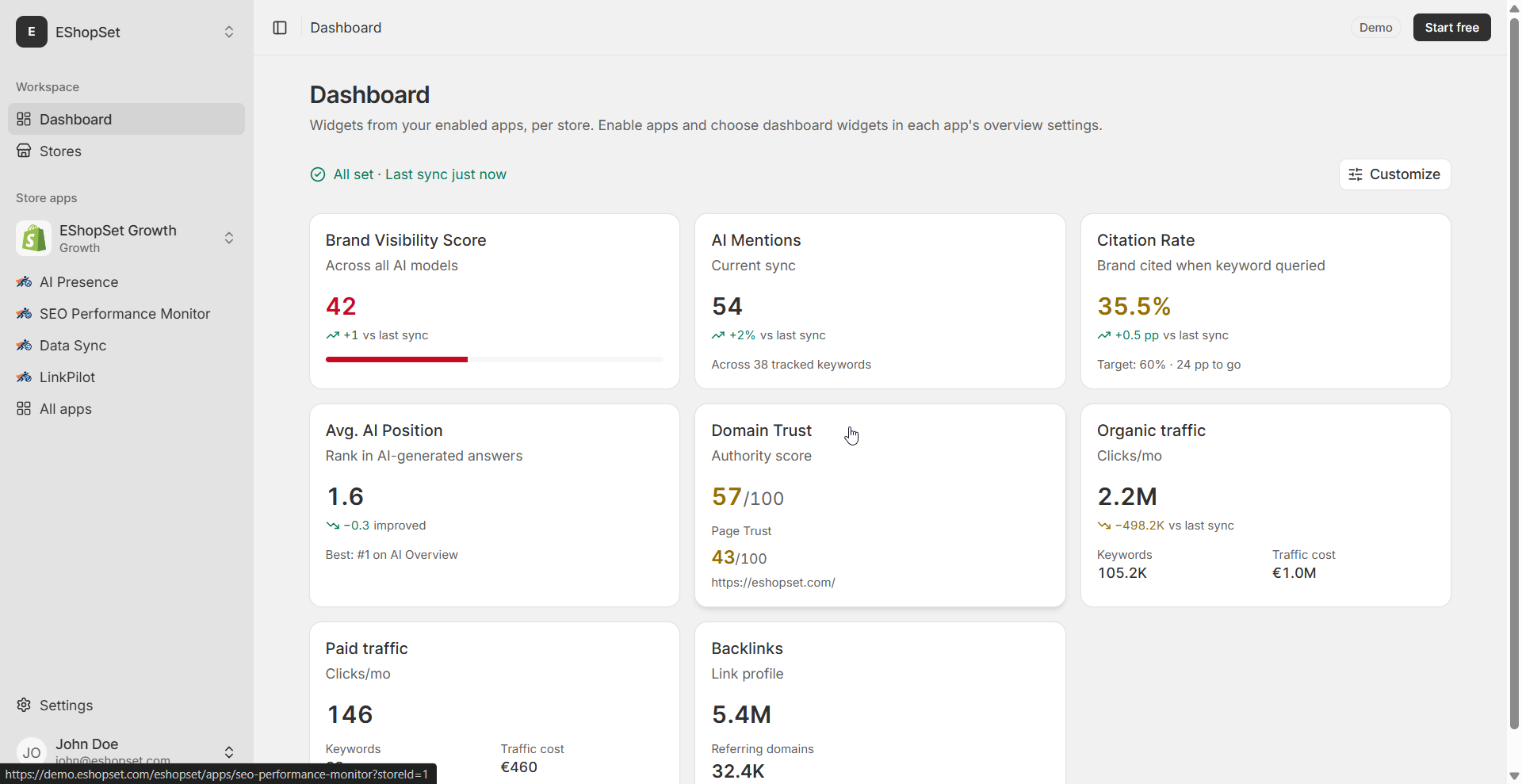
While recovering lost chargebacks is crucial, preventing them in the first place is even better. A robust operational foundation is your best defense against disputes and ensures a healthier, more profitable business. This is where EShopSet's bundle of Shopify apps becomes an invaluable asset for merchants and store operators.
By integrating tools that streamline your daily operations, you can minimize potential disputes and enhance customer satisfaction. Here's how EShopSet's Shopify SEO AI and catalog apps can help:
1. SEO Performance Monitor: Clarity and Accuracy to Prevent Disputes
Many chargebacks stem from misunderstandings or discrepancies between what a customer expects and what they receive. EShopSet's SEO Performance Monitor helps you optimize your product listings for clarity and accuracy. By ensuring your product descriptions, images, and specifications are meticulously detailed and easily discoverable, you reduce the likelihood of 'item not as described' claims.
- Enhanced Product Descriptions: Clear, keyword-rich descriptions leave no room for ambiguity.
- Accurate Information: Consistent and correct product data across your store.
- Improved Visibility: Attract legitimate customers who know exactly what they're buying, reducing buyer's remorse-driven chargebacks.
2. AI Presence: Intelligent Communication and Customer Experience
Effective communication is paramount in preventing disputes. EShopSet's AI Presence can elevate your customer service, ensuring inquiries are handled promptly and accurately. While not a direct fraud detection tool, clear and consistent communication powered by AI can preemptively address customer concerns, provide detailed order updates, and ensure customers feel supported throughout their purchase journey.
- Consistent Messaging: Ensure all customer touchpoints provide uniform and accurate information.
- Proactive Support: Address potential issues before they escalate into disputes.
- Enhanced Trust: A professional and responsive communication strategy builds customer confidence.
3. Data Sync: Maintaining a Flawless Product Catalog
Discrepancies in product data across different sales channels or within your Shopify store itself can be a major headache, leading to customer frustration and chargebacks. EShopSet's Data Sync ensures your product catalog is always perfectly synchronized and accurate. This eliminates inconsistencies that can result in 'wrong item received' or 'item not as expected' claims.
- Unified Product Data: Maintain a single source of truth for all your product information.
- Error Reduction: Automate updates to minimize manual errors in pricing, inventory, and descriptions.
- Operational Efficiency: Free up time spent on manual data management, allowing you to focus on growth.
Conclusion: Empowering Your Shopify Business
The insights from the community thread are a powerful reminder that losing a chargeback doesn't have to be the end of the story. Shopify merchants have avenues to reclaim lost revenue, provided they are proactive and persistent. By understanding your rights, leveraging formal communication, and utilizing collection or legal processes, you can significantly mitigate the financial impact of friendly fraud.
Furthermore, by investing in robust operational tools like EShopSet's bundle of Shopify SEO AI and catalog apps, you build a resilient business that not only recovers from past losses but also proactively prevents future ones. Empower yourself with the right strategies and tools to ensure your hard-earned revenue stays where it belongs – in your business.