Unlocking Sales: Real-World Shopify Tactics from the Ecommerce Community
Hey there, fellow Shopify merchants and store operators! It's always energizing to see what's truly moving the needle for others in our community. I recently stumbled upon a fantastic discussion where the original poster was asking for specific, data-backed tactics that brought results in the past week. No fluff, just numbers and real-world context. It's exactly the kind of insight we all crave for our daily operations, right?
While the thread was a call for contributions, the examples provided really hit home, showcasing how even seemingly small adjustments can lead to significant gains. Let's dive into some of these nuggets of wisdom and see how we can apply them to our own Shopify stores.
The Power of Personalization: Beyond the First Abandoned Cart Email
One of the standout examples highlighted the effectiveness of a more personalized approach to abandoned cart recovery. A DTC supplements brand, doing around $80K/month, saw their recovery rate jump from 4.1% to 5.8% simply by adding a third abandoned cart email. But here's the kicker: it was a plain-text email, sent from the founder.
What can we learn from this?
- It's not just about more emails, but better emails: The 'plain-text from the founder' format likely felt more authentic and less like a marketing blast. It built trust and a personal connection, which is huge in ecommerce.
- Don't give up after one or two attempts: Many merchants stop at the first or second abandoned cart email. This example shows there's still value to be unlocked by extending the sequence, especially with a fresh angle.
- Test different formats and senders: If you're currently using highly designed templates, try a simpler, more direct approach. Experiment with who the email appears to be from.
This tactic reminds us that while automation is key, injecting humanity into our automated sequences can make all the difference. Think about how you can make your communications feel less transactional and more conversational.
Visuals Matter: Optimizing Product Page Hero Images for Conversion
Another brilliant insight came from a home goods store, generating around $40K/month on Shopify. They made a simple yet impactful change: switching their main product page hero image from a lifestyle shot to a plain white background with the product at an angle. The result? Their add-to-cart rate soared from 6.2% to 8.9% over 1,200 sessions.
This is a classic example of Conversion Rate Optimization (CRO) in action. Here's why this is so valuable:
- Clarity often trumps 'aspirational': While lifestyle images can inspire, sometimes customers just want to clearly see the product itself, unencumbered by distractions. A plain background focuses attention directly on what's for sale.
- Test, test, test: What works for one product or niche might not work for another. This merchant actively tested a hypothesis and measured the results. This data-driven approach is crucial.
- Product presentation is paramount: How you display your product can directly influence whether a customer decides to add it to their cart. High-quality, clear product photography is non-negotiable.
When you're making these kinds of visual updates across your catalog, having an efficient way to manage your product data is a game-changer. Imagine needing to update hundreds of product images and descriptions – that's where a robust solution comes in handy. For example, an hourly Shopify product sync from Sheets can ensure your updated images and associated data are live on your store without manual hassle. This kind of Shopify Data Sync app streamlines your operations, letting you focus on strategy rather than tedious uploads.
Beyond the Tactics: General Takeaways for Shopify Merchants
What these examples really underscore is the importance of:
- Being Data-Driven: Both examples included specific numbers. Knowing your metrics is the first step to improving them.
- Continuous Testing: The ecommerce landscape is always changing. What worked yesterday might not work tomorrow. Keep experimenting.
- Focusing on the Customer Experience: Whether it's a personalized email or a clear product image, successful tactics almost always put the customer first.
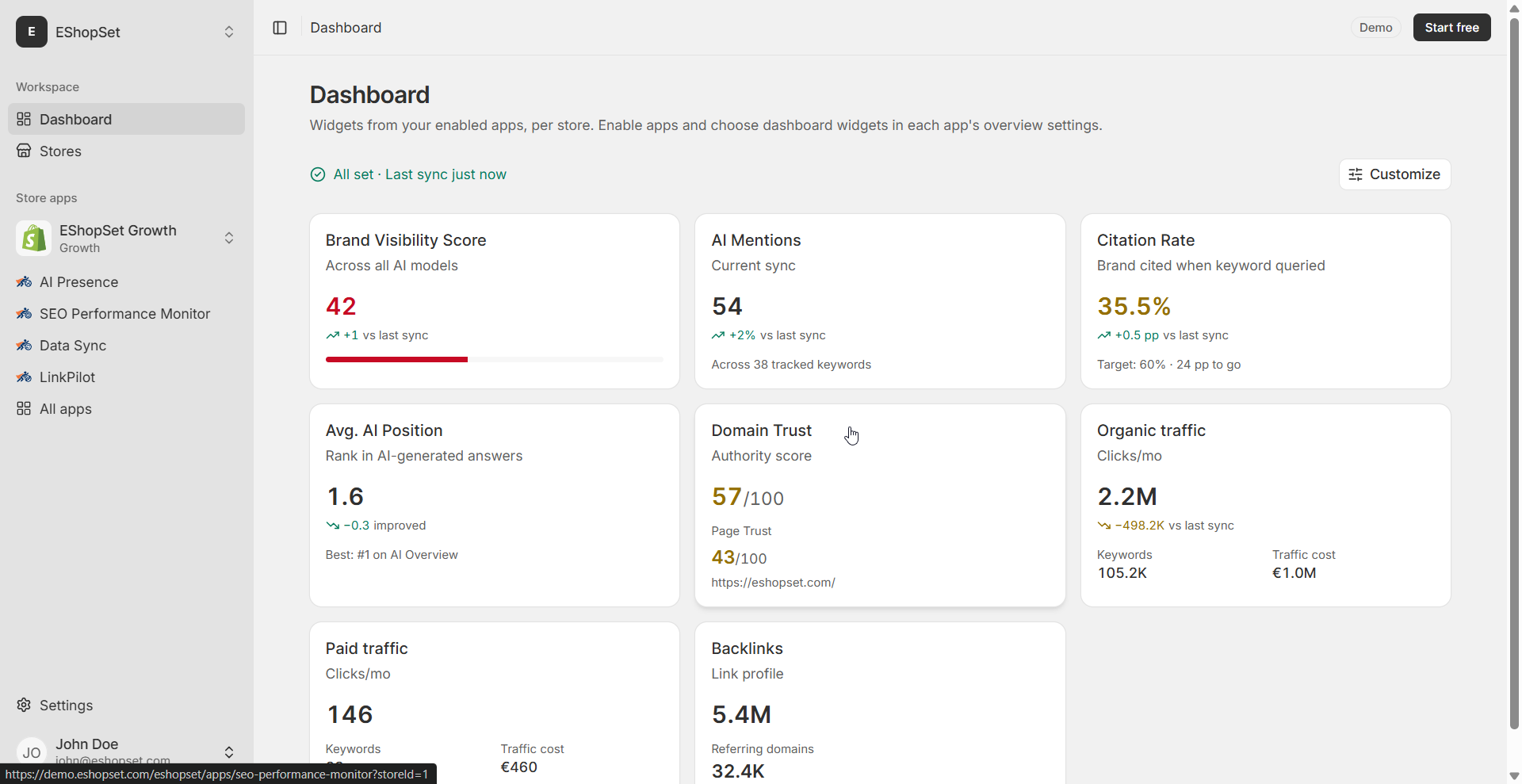
And remember, while you're busy optimizing your store and engaging with customers, keeping an eye on your visibility is key. A daily Shopify SEO report can provide crucial insights into how your site is performing in search engines, helping you understand if your CRO efforts are also positively impacting organic traffic and engagement metrics that search engines value.
EShopSet Team Comment
We absolutely love seeing merchants share real, data-backed wins like these. The insights around personalized abandoned cart emails and clear product visuals are spot on for driving immediate conversions. For Shopify store owners looking to implement similar strategies efficiently, our EShopSet bundle is designed to help. Sheet2Cart is perfect for executing product data updates, like switching hero images, by enabling an hourly Shopify product sync from Sheets. Meanwhile, SEO Performance Monitor helps you track the impact of these changes on your organic visibility and provides a crucial daily Shopify SEO report, ensuring your efforts lead to long-term growth.
So, take these lessons to heart, start testing, and keep those conversion rates climbing. Happy selling!