Abandoned Carts on WhatsApp: How Many Recovery Messages Are Too Many for Shopify Merchants?
Hey Shopify fam! Let's talk about something that keeps every store owner up at night: abandoned carts. We all know the drill – a customer loads up their cart, gets to checkout, and then...poof! They're gone. The good news is, there are strategies to bring them back. But how many nudges are too many, especially when you're using more direct channels like WhatsApp?
This exact question sparked a lively discussion in an online community recently, and the insights shared were gold. It really highlighted a crucial difference between recovery strategies on email versus instant messaging apps.
The WhatsApp Conundrum: Two Messages or More?
The original poster kicked things off, sharing their experience. They'd been running a WhatsApp cart recovery sequence: one message an hour after abandonment, and a second one 24 hours later, sweetened with a small discount. This seemed to work. However, when they tested a third message, the results were dismal – very few recoveries and, more importantly, complaints! This was puzzling, especially since many merchants comfortably send four or five emails without issue.
Community Weighs In: The Line in the Sand
The community response was swift and largely in agreement: WhatsApp is a different beast. One respondent didn't mince words, stating they'd be annoyed after just one WhatsApp message and would consider boycotting after two. A third message? That could lead to reporting spam or even a negative review. Yikes!
Another member echoed this sentiment, suggesting that one message is often the maximum for WhatsApp before you risk alienating customers. The general consensus pointed to two messages being the sweet spot for WhatsApp specifically, noting that people get annoyed much faster there than on email.
As one expert put it, email can get away with more messages because it's a passive channel, easy to ignore or delete. WhatsApp, however, feels more intrusive. A third message can quickly cross the line from helpful reminder to outright nagging.
Beyond the Count: Content, Timing, and Market Nuances
So, if two WhatsApp messages are generally the limit, what else can we do? The discussion brought up some fantastic points:
- Vary the Content: Instead of just adding a third message, try varying the content of your second message. Focus on offering support, answering potential questions, or personalizing the experience rather than just saying, "You left something!"
- Lengthen the Gap: If you're determined to have more touches, consider spacing them out significantly. A third "touch" could be much later and framed as something entirely different – perhaps a helpful resource, a new product announcement, or a special offer, rather than another direct cart reminder.
- Market Matters: This was a critical insight! The "acceptance" of SMS and WhatsApp for abandoned cart messages varies hugely by region. What's acceptable in one country (like the US, where it's more common) might be seen as spam in another (like Australia, where even one message might get you blocked). Always know your audience and their communication preferences.
- Personalize and Offer Support: The best-performing recovery messages, across channels, are those that offer support and personalize the experience. Think about what might have caused the abandonment and address it. Was it a question about shipping? A sizing query? Offering help transforms the message from a sales pitch to customer service.
Actionable Takeaways for Your Shopify Store
For Shopify merchants, the message is clear:
- Respect the Channel: WhatsApp is personal. Treat it with care. Two recovery messages, spaced appropriately, seem to be the sweet spot for most markets.
- Test, Measure, and Listen: Just like the original poster, test your sequences. Pay attention to not just recovery rates, but also customer feedback – complaints are a strong signal to pull back.
- Focus on Value: Make every message count. Offer genuine help, address potential concerns, or provide a compelling reason to complete the purchase (like a small, well-timed discount).
- Know Your Audience: Research cultural norms around direct messaging in your target markets. What works in one place might backfire in another.
- Holistic Store Health: Beyond recovery, preventing abandonment is key. Just as you meticulously track your cart recovery rates, it's equally vital to monitor your store's overall health and visibility. A robust
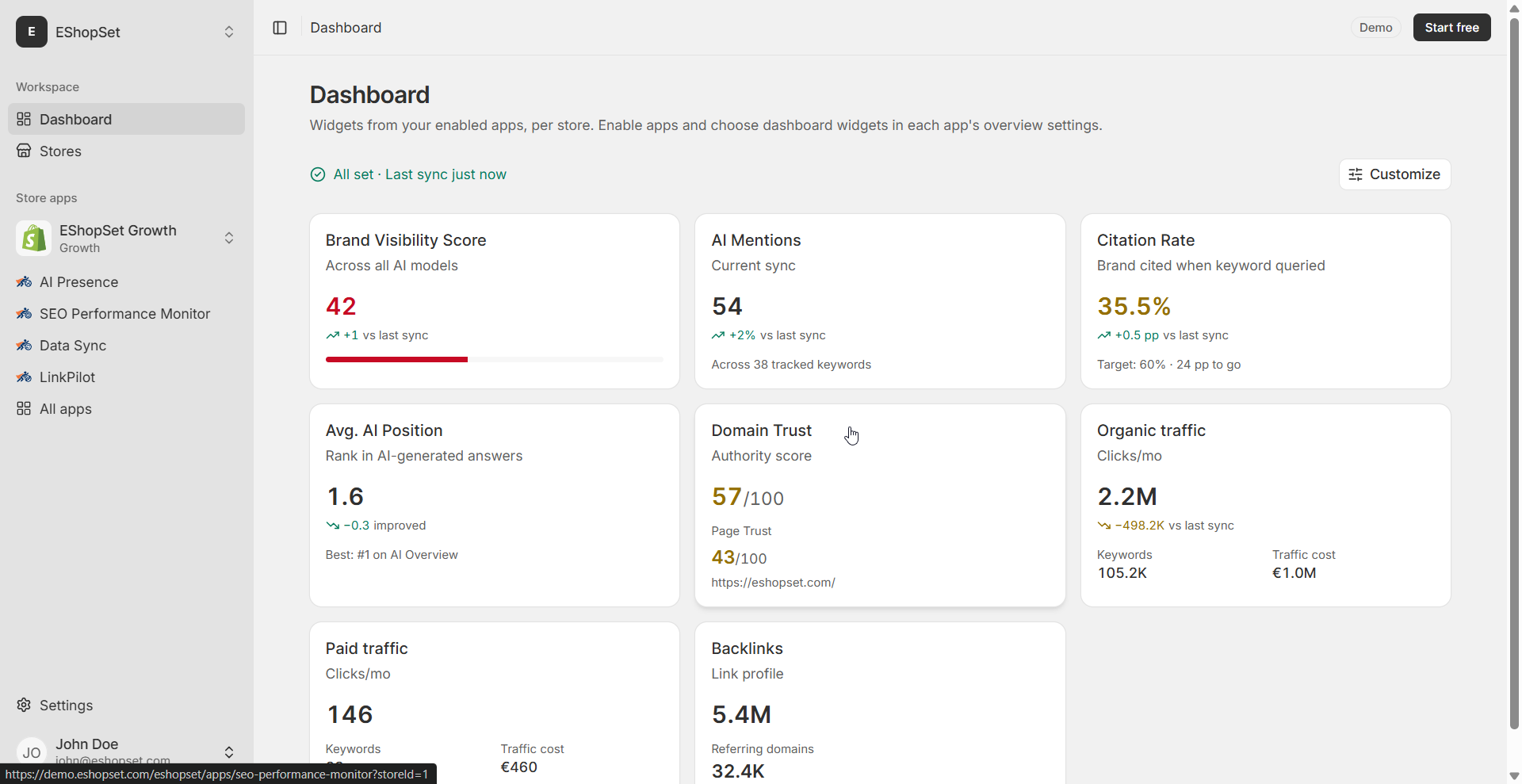
Shopify SEO Performance Monitorhelps ensure potential customers find you easily, contributing to a smoother journey and fewer abandoned carts in the first place.
EShopSet Team Comment
We completely agree with the community's strong stance: less is often more with direct messaging like WhatsApp. Merchants must prioritize customer experience over aggressive recovery tactics, especially given the varying market sensitivities. For crafting those nuanced, personalized recovery messages that feel helpful rather than intrusive, tools like AI Presence can be incredibly valuable, helping you hit the right tone and offer relevant support. And remember, ensuring your product catalog is always precise and up-to-date, easily managed with Sheet2Cart, can preemptively reduce abandonment by clarifying details upfront.
Ultimately, successful abandoned cart recovery isn't just about the number of messages; it's about the quality, timing, and relevance of your communication. By understanding these nuances and leveraging the right tools, you can gently guide customers back to their carts without ever making them feel harassed. Happy selling!