Scaling Your Shopify Store: Turning Early Sales into Predictable Profit
Ever hit that sweet spot where your new product gets real traction, but then you're left wondering, 'Okay, this is great, but how do I make it bigger? How do I make it *predictable*?' That's exactly the question that sparked a lively discussion in a recent online community, and it's a challenge many Shopify merchants face.
The original poster in this discussion had a fantastic start: 98 sales of a durable kitchen product from an initial batch of 250 units, all without any paid marketing. They'd even gifted some to creators, generating organic buzz. With healthy margins (around €35.69 per sale before marketing), their main hurdle wasn't profit per unit, but rather proving they could generate sales volume consistently and profitably. They were sitting on 136 remaining units and pondering the big questions: Is this scalable? Which channels should I test first? What's a realistic Customer Acquisition Cost (CAC) to aim for?
The Community Weighs In: Test, Learn, and Scale Smart
The consensus from the community was crystal clear: yes, this is the real scalability test, and you've got the perfect inventory to do it. The key is to use those remaining units to figure out if you can acquire customers profitably using paid channels before committing to a larger production run.
1. Validate Paid Acquisition with Existing Inventory
Several community members emphasized that the 136 units are more than enough stock to answer the crucial question: can you acquire customers profitably? One respondent rightly pointed out that with a ~€35 margin before marketing, that's your breakeven CAC. The goal isn't just sales, but profitable sales.
Actionable Tip: Don't just 'go for it' blindly. Use a controlled test. Track your CAC, actual selling price, contribution after ads, and conversion by channel. This structured approach helps you validate the economics before making a bigger inventory commitment.
2. Leverage Your Creator Content
The original poster had already gifted products to about 15 creators. Even if these creators didn't actively tag the brand, many used and showed the product. This is gold! As one expert in the thread suggested, you can ask to use their footage for ads. User-Generated Content (UGC) is incredibly powerful for paid campaigns, especially on platforms like Meta (Facebook/Instagram ads).
Actionable Tip: Gather any organic videos or photos from creators. These can be fantastic raw material for your first ad creatives. Authenticity often outperforms highly polished, expensive productions.
3. Start with Meta Ads for Control and Data
While options like Etsy, Amazon, or wholesale were on the table, multiple respondents suggested starting with Meta ads. Why?
- Full Margin Retention: You keep the full profit margin, unlike marketplaces that take a cut.
- Customer Data Ownership: You own the customer data, allowing for better retargeting and audience building.
- Quick Validation: You can find out within a couple of weeks whether paid acquisition works at a manageable daily budget.
One Meta ad expert in the thread suggested aiming for a cost per purchase in the €15 to €25 range within the first 7 to 10 days. If you hit that, you've likely got a scalable, profitable paid channel.
4. Define Your Acceptable CAC Before You Start
Instead of aiming for an arbitrary CAC or monthly sales target, a smart approach is to decide upfront how much of your €35.69 contribution per order you're willing to spend on acquisition while still leaving enough for overhead, returns, and profit. This gives you a clear benchmark for your ad campaigns.
Actionable Tip: Set a reorder decision in advance. For example, 'I will only order the next 400 units if I can consistently reproduce an acceptable contribution after acquisition over enough sales to prove it's not just a lucky campaign.' This separates the demand validation from the economic validation.
5. Monitor Overall Performance Beyond Paid Ads
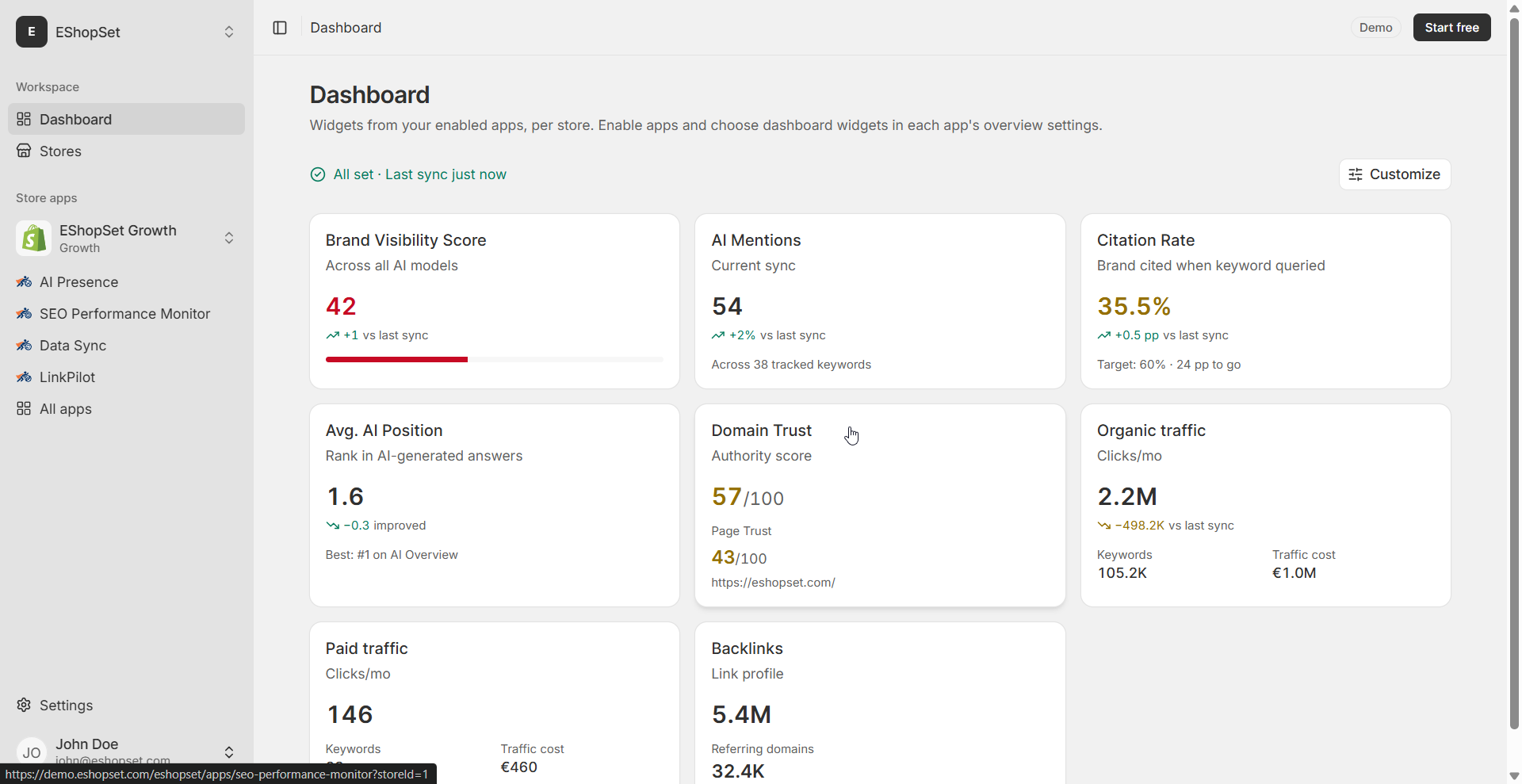
While paid ads are crucial for scaling, don't forget the big picture. As you drive more traffic to your store, your organic presence becomes even more vital. Keeping an eye on your daily Shopify SEO report will show you how your efforts are impacting your search rankings, organic traffic, and overall site health. Increased sales from paid campaigns can also indirectly boost your organic rankings over time, reducing your reliance on paid ads in the long run.
EShopSet Team Comment
This discussion perfectly highlights the critical steps for Shopify merchants looking to scale. We wholeheartedly agree with the community's emphasis on data-driven testing of paid channels with existing inventory. For merchants managing their product catalog, especially when scaling and needing to update stock or pricing across hundreds of SKUs, tools like Sheet2Cart can be invaluable for efficient product data management, making Data Sync vs Shopify CSV import a non-issue. Furthermore, as you ramp up marketing, leveraging AI for compelling product descriptions and ad copy with AI Presence, alongside consistent monitoring of your organic performance with SEO Performance Monitor, ensures a holistic growth strategy.
Scaling a Shopify store isn't about guesswork; it's about strategic testing, learning, and optimization. By following the advice shared in this community discussion – validating your acquisition costs, leveraging your existing content, and making data-informed decisions – you can confidently turn those initial sales into a thriving, predictable business. Good luck!