Shopify SEO Indexing Woes: How Long Until Google Catches Up After Fixing Internal Links?
Hey there, fellow Shopify store operators! We've all been there – staring at Google Search Console, wondering why some of our most important pages aren't getting the love they deserve from Google. It's a common pain point, and a recent discussion in an online community really highlighted a specific, yet often overlooked, technical SEO challenge: pages stuck in the dreaded "Discovered - currently not indexed" status.
Let's dive into a real-world scenario from a merchant who was facing this exact issue with a significant chunk of their site's content.
The "Discovered - Not Indexed" Dilemma: An Orphaned Homepage Story
The original poster in this community discussion had a substantial Shopify store with around 700,000 content pages. While most were gated, about 1,500 were actively published and linked. Yet, Google Search Console was showing over 60,000 URLs stuck in "Discovered - currently not indexed." That's a huge number of potential sales sitting in limbo!
After some digging, they uncovered a critical root cause: their homepage had virtually zero internal links to any of these content pages in the initial HTML served to Googlebot. Everything was being rendered client-side after the page loaded, meaning Googlebot, which often prefers server-side rendered content for initial discovery and crawling, wasn't seeing those links. Individual content pages did link to each other, but there was no strong "entry point" link structure from the homepage – essentially, an orphaned homepage.
The Fix: Rebuilding Internal Link Highways
The solution implemented was smart and direct: they added a browse/index hub with actual, crawlable links directly in the served HTML. This hub was then linked from every page's footer, creating a strong, visible pathway for Googlebot. After making this change, they resubmitted their sitemap through the Search Console API, which Google recrawled within seconds with no errors.
The big question on everyone's mind, and what the original poster asked the community, was: "For anyone who's fixed a similar 'orphaned homepage' issue — how long did it actually take for the discovered-not-indexed number to start dropping in your experience? Days, weeks?"
The Community Weighs In: How Long Does Google Take?
The responses from the community offered a range of experiences, highlighting the unpredictable nature of Google's indexing:
- One community member's reply was quite blunt: "Months, or years." They even raised a controversial point, suggesting Google might not be neutral on content alone, hinting at a possible bias towards sites using Google Ads. This sparked a quick debate, with others rightly asking for proof – a reminder that not all SEO theories hold water without data.
- However, a more common and reassuring timeframe came from another experienced member: "I'd give it 2-8 weeks." This respondent emphasized that if the internal linking issue is genuinely fixed and Google can crawl the pages effectively, the "Discovered - currently not indexed" count should gradually decline.
So, while there's no magic button for instant indexing, the consensus leans towards several weeks for Google to fully process the changes and reflect them in Search Console.
Beyond the Fix: Ongoing Monitoring is Key
The advice didn't stop at just waiting. Several community members stressed the importance of continuous monitoring:
- Monitor Crawl Stats: Keep an eye on your crawl stats in Google Search Console to see if Googlebot is actively visiting your newly linked pages.
- Check Server Logs: For those with access, server logs can provide real-time insights into Googlebot's activity on your site.
- Sitemap Hygiene: Ensure your XML sitemap only includes index-worthy URLs. Don't clutter it with low-quality or non-canonical pages.
While some suggested more drastic measures like editing slugs, attributing "discovered not indexed" to a "bug" where pages are blocked from being fetched, the primary focus for most was on ensuring fundamental crawlability and discoverability through robust internal linking.
EShopSet Team Comment
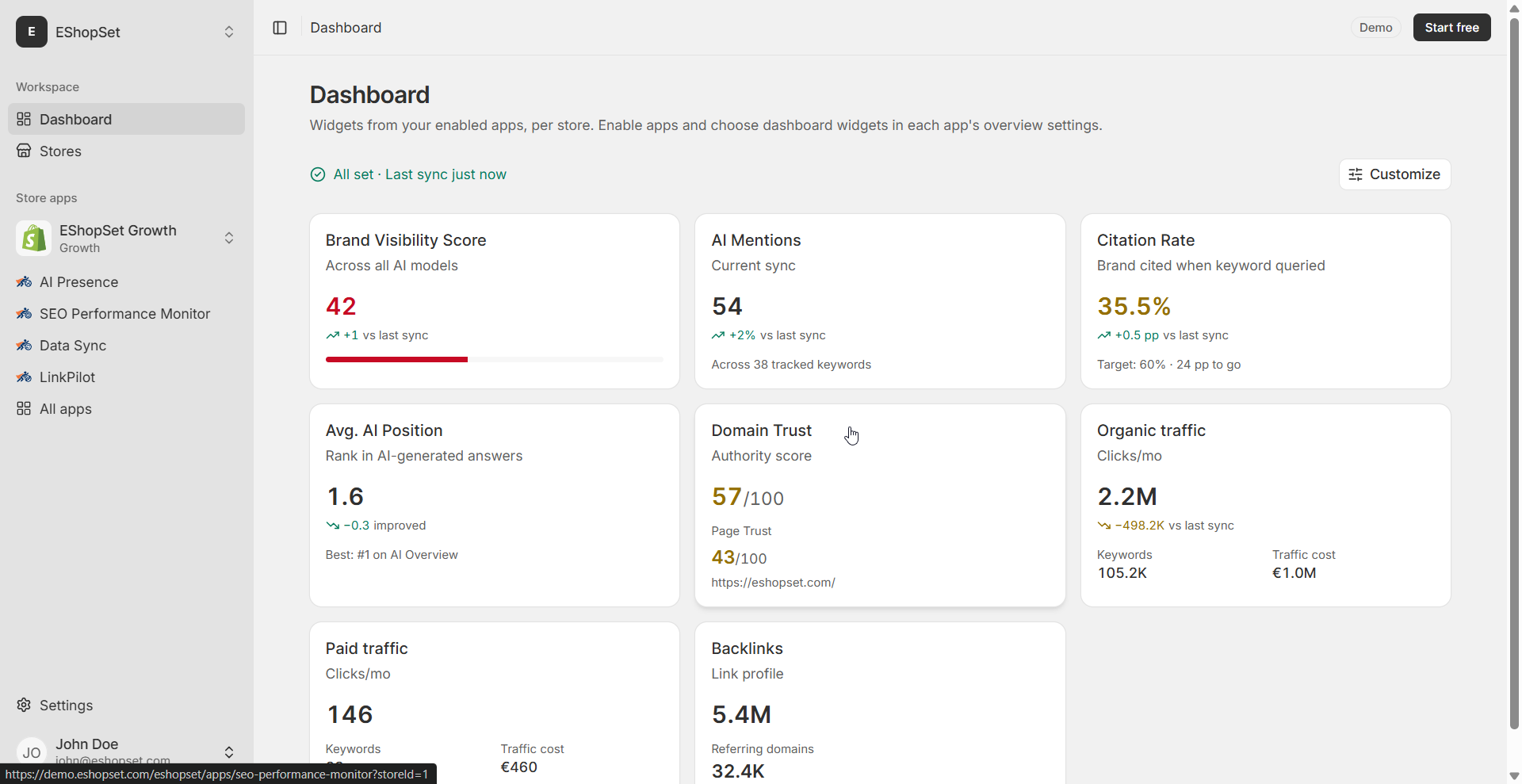
This discussion perfectly illustrates a critical challenge for Shopify merchants and why having the right Shopify apps for daily operations is essential. We wholeheartedly agree that strong internal linking is fundamental for SEO. The "months or years" timeframe, while possible in extreme cases, isn't typical for a well-executed fix; 2-8 weeks is a much more realistic expectation for significant movement. For Shopify merchants, our SEO Performance Monitor app is invaluable here – it helps you track your indexing status, monitor crawl health, and pinpoint exactly which pages are struggling, allowing you to react much faster than waiting for GSC alone. For managing product data and ensuring clean URLs and internal links, Sheet2Cart can be a game-changer for bulk edits and consistent data application.
Bringing It All Together for Your Shopify Store
For Shopify merchants, this community discussion offers vital takeaways:
- Prioritize Internal Linking: Don't just rely on your theme's automatic linking. Actively build a strong internal link structure from your homepage and category pages to your product and content pages. This is a foundational Shopify SEO app for merchants strategy.
- Server-Side Rendering Matters: If your store relies heavily on client-side rendering for navigation or content display, ensure that critical links are also present in the initial HTML for Googlebot.
- Be Patient, But Vigilant: Expect Google to take a few weeks to fully process significant structural changes. During this time, actively monitor your Google Search Console reports, especially the "Pages" section, to track the "Discovered - currently not indexed" count.
- Maintain Sitemap Hygiene: A clean, accurate XML sitemap acts as a roadmap for Google. Make sure it only points to the pages you truly want indexed.
Ultimately, a healthy SEO strategy is about creating the best possible experience for both your customers and search engine crawlers. By ensuring your Shopify store is easily discoverable and crawlable, you set yourself up for better visibility and, most importantly, more sales.