Navigating the Post-Stocky World: Smart Inventory & Purchase Orders for Shopify Stores
Hey there, fellow Shopify merchants and store operators! Let's chat about something that's been on a lot of our minds lately: the big shift in how we handle inventory and purchase orders on Shopify, especially with Stocky saying goodbye. It's a real operational challenge, and I recently stumbled upon a fantastic community discussion that really broke down some practical solutions.
The original poster in this discussion really hit the nail on the head. Shopify's decision to retire Stocky on August 31st left many of us scrambling. While the native Shopify Admin now lets us create purchase orders, it's missing some crucial pieces: the smart reorder logic that tells you, "Hey, you'll run out in X days, and your supplier needs Y days lead time," and the ability to easily import all that valuable Stocky history. Years of PO and supplier data could just be stranded!
The Urgent Call: Export Your Stocky Data NOW!
Before we dive into solutions, here's a critical tip that came up: Stocky data goes read-only shortly after shutdown. If you haven't already, export your Stocky CSV data immediately. This is your historical goldmine for purchase orders and supplier information, and you don't want to lose it.
Finding Your Footing After Stocky
The core problem for many was finding an app that could fill Stocky's shoes without breaking the bank or overwhelming them with features they didn't need. The original poster introduced an app called Restockly as a direct answer for these "Stocky refugees."
Here’s what made it stand out in the conversation:
- Easy Migration: It offers a one-click import for your Stocky CSV, bringing over your past purchase orders and supplier details. No more stranded data! Or, if you're starting fresh, that's an option too.
- Streamlined PO Workflow: You can create purchase orders right within the app, email them directly to your suppliers, and then mark them as received (in full or partially). Inventory syncs automatically to the correct Shopify location.
- Smart Reorder Points: This is a big one. The app’s dashboard actively computes reorder points. It uses your actual sales velocity combined with each supplier’s lead time to give you accurate insights. It even suggests order quantities, subtracting what's already on its way on open POs, so you don't accidentally double-order. This kind of automation is a huge time-saver and prevents costly overstocking or stockouts.
The original poster emphasized that this solution isn't trying to be an "all-singing, all-dancing" AI forecasting platform. It's designed for small retail and POS stores – the kind of shops that loved Stocky because it was free and bundled, and just need a solid purchasing workflow without adopting a complex, expensive platform. For those who need more advanced features like AI forecasting or multi-channel sync, solutions like Prediko and Sumtracker (which were also mentioned and even gave a friendly shout-out in the thread!) are excellent, but they come at a higher price point.
What's particularly helpful is that the original poster even shared a comparison guide, advising light users to stick with Shopify's native POs if their needs are truly minimal. This kind of transparency is gold when navigating the app marketplace.
Cost and Support: What to Expect
The app discussed offers a flat $19/month fee, with a 14-day free trial, no tiers or usage limits. This simplicity resonated, especially for smaller businesses. What truly impressed me was the offer from the developer to personally handle every migration – importing Stocky exports and setting up suppliers free, even before the trial bills. That's a serious commitment to merchant success during a tricky transition!
Key Takeaways for Your Shopify Store
Whether you're migrating off Stocky or just looking to optimize your inventory management, here are some actionable insights:
- Prioritize Data Export: Seriously, if you used Stocky, get that CSV export done today.
- Assess Your Needs: Do you need basic POs and reorder points, or advanced forecasting and multi-channel sync? This will guide your app choice.
- Value Automation: Tools that calculate reorder points based on sales velocity and lead times are invaluable. They reduce manual work and improve cash flow by optimizing stock levels.
- Consider Integration: How well does a new app integrate with your existing Shopify setup and other tools?
EShopSet Team Comment
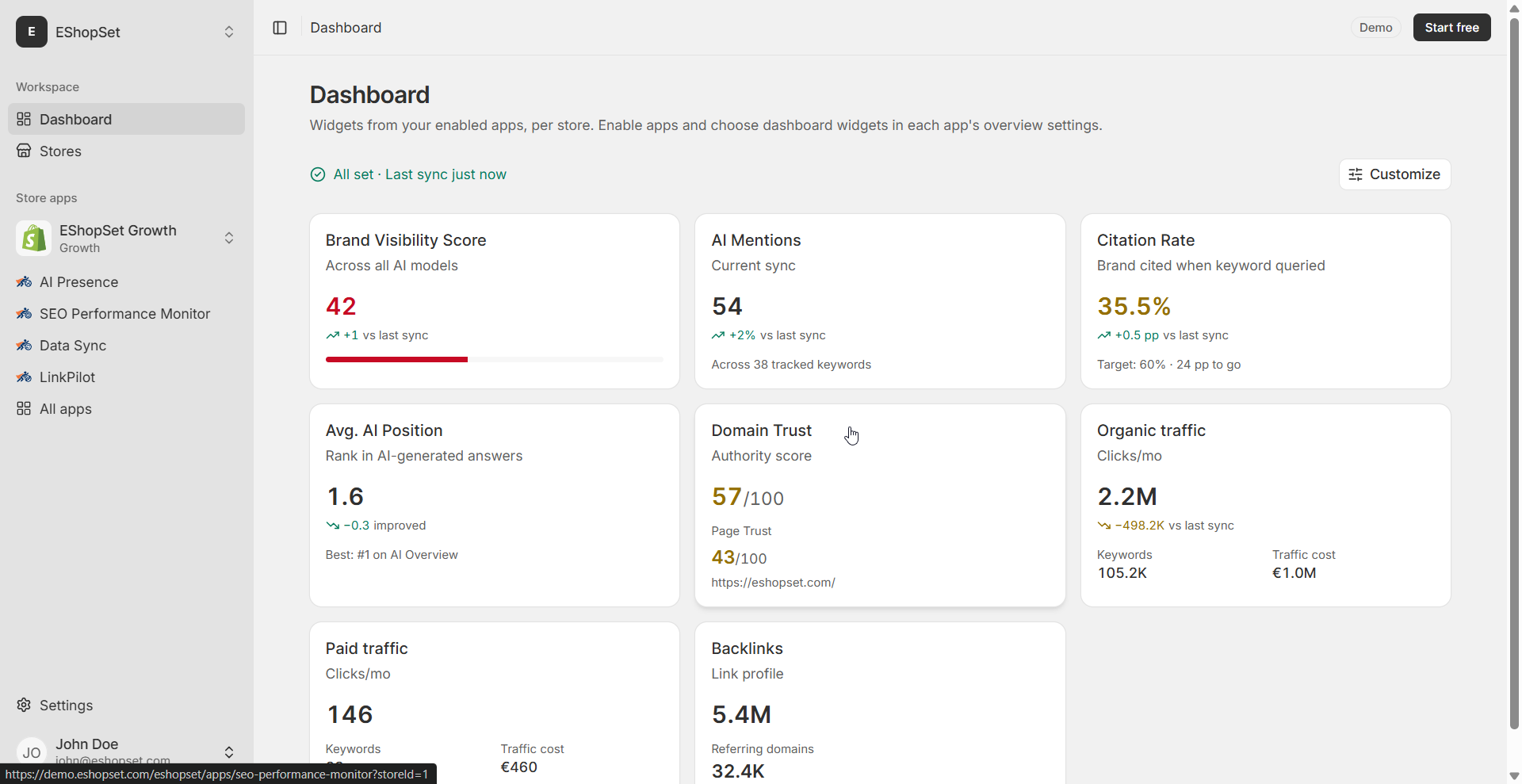
The discussion around Stocky's deprecation highlights a crucial aspect of ecommerce operations: the need for efficient inventory and catalog management. For merchants looking to streamline their daily tasks, leveraging tools that automate purchase orders and reorder points is a game-changer. Our Sheet2Cart app, for instance, can be incredibly helpful for managing product data and could even assist with initial product setup or bulk updates if you're starting fresh with a new inventory system, making Shopify import products from Google Sheets a breeze. Furthermore, with operational efficiency gained from smart inventory management, you free up valuable time to focus on growth initiatives like optimizing your online presence and ensuring you can track brand in AI Overviews Shopify with tools like AI Presence and SEO Performance Monitor.
Ultimately, the move away from Stocky is a great opportunity to re-evaluate your entire operational stack. Don't just replace like-for-like; look for solutions that not only solve the immediate problem but also contribute to your overall efficiency and growth. Smart inventory management isn't just about avoiding stockouts; it's about optimizing cash flow, reducing waste, and freeing up your time to focus on what truly matters for your brand's success.