Navigating Data Privacy: What SB 690 Means for Shopify Merchants and Your EShopSet Apps
A Collective Sigh of Relief: California's SB 690 and Shopify Merchants
For Shopify merchants and store operators, the world of data privacy can often feel like a minefield. Between evolving regulations, complex tracking technologies, and the constant threat of litigation, maintaining compliance while driving growth is a delicate balance. Recently, a community discussion brought a much-needed wave of relief to many, particularly those operating in California, regarding the often-stressful topic of data collection and the Meta Pixel.
The original poster in the discussion shared fantastic news, highlighting the end of what they described as attempts by "unscrupulous lawyers" to target small businesses with lawsuits under California’s Invasion of Privacy Act. This sentiment was echoed by a community member who expressed, "Glad to see some relief for small business owners!❤️🩹" This shared experience underscores the significant burden such legal challenges place on hard-working entrepreneurs.
The pivotal development? California Governor Gavin Newsom signed Senate Bill 690 (SB 690) into law. This bill fundamentally alters the landscape by eliminating the private right of action under a specific section of the California Invasion of Privacy Act. In simpler terms, it makes it considerably more difficult for individuals to initiate lawsuits against businesses for certain data collection practices, especially those involving common marketing tools like the Meta Pixel. For many Shopify merchants who rely on pixels for essential marketing analytics, ad targeting, and understanding customer behavior, this legislative change represents a substantial reduction in legal exposure.
Beyond California: The Ever-Evolving Privacy Landscape
While SB 690 offers a welcome reprieve for businesses in California, it's crucial to remember that the data privacy landscape is dynamic and ever-shifting. As one respondent ominously put it, "Florida lawsuits incoming," serving as a stark reminder that vigilance remains paramount. Regulations like the General Data Protection Regulation (GDPR) in Europe, the California Consumer Privacy Act (CCPA), and various other state-specific laws continue to shape how businesses must handle customer data globally.
This constant evolution means that proactive privacy management isn't just about avoiding lawsuits; it's about building trust with your customers. Transparency in data practices, clear privacy policies, and robust consent mechanisms are becoming non-negotiable standards for any reputable online store. For Shopify merchants, this translates into a continuous need to review and adapt their operational strategies to ensure compliance across all jurisdictions where they operate or serve customers.

EShopSet: Empowering Your Store with Compliance in Mind
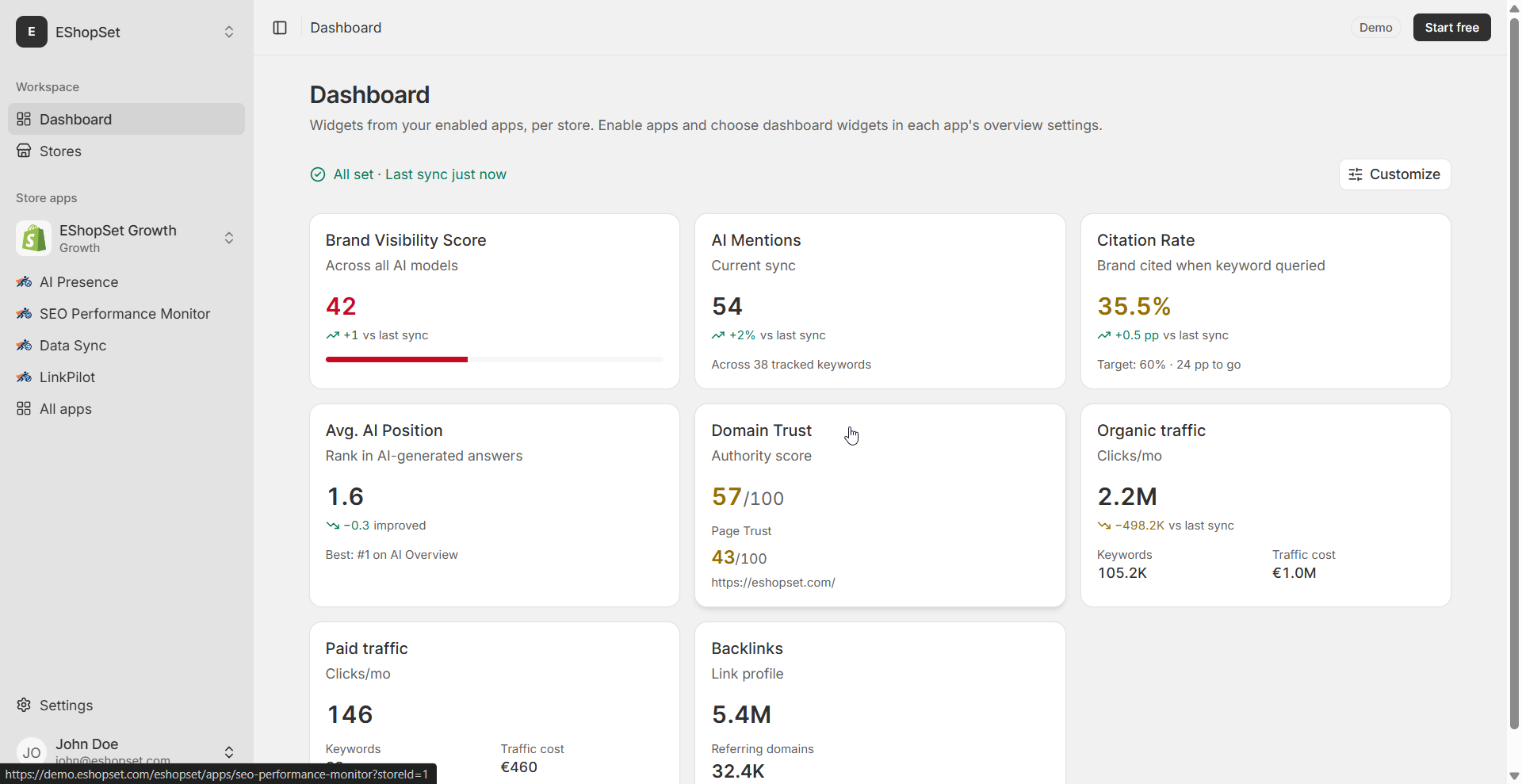
At EShopSet, we understand that managing daily operations while staying on top of privacy regulations can be overwhelming. Our suite of Shopify apps — SEO Performance Monitor, AI Presence, and Data Sync — is designed to streamline your daily tasks, allowing you to focus on growth while maintaining best practices for data handling.
- SEO Performance Monitor: While primarily focused on boosting your store's visibility, a strong SEO strategy inherently supports privacy. By optimizing for organic search, you reduce reliance on overly aggressive tracking methods that might raise privacy concerns. Understanding your organic traffic sources through our monitor helps you make informed decisions about your marketing spend and data collection needs, ensuring you're not over-collecting data where it's not essential.
- AI Presence: Our AI Presence app empowers you to generate compelling product descriptions, marketing copy, and customer interactions. By leveraging AI for content creation, you can attract customers through engaging, relevant information without needing to track every single click or personal detail. This approach helps you build a strong brand presence based on value and content, aligning with privacy-conscious marketing strategies.
- Data Sync: Efficient and secure data management is critical for both operations and compliance. Data Sync ensures your product catalog and other essential store data are consistently updated and accurate within your Shopify store. For merchants who manage their inventory or product details using internal systems, maintaining a smooth Shopify Google Sheets catalog workflow or similar internal data management processes is vital. Data Sync helps bridge the gap, ensuring that your Shopify store reflects your authoritative data sources, thereby supporting data integrity and reducing discrepancies that could lead to operational or compliance issues. By keeping your core data synchronized and accurate, you minimize risks associated with outdated or inconsistent information.
Actionable Steps for Shopify Merchants
Given the ongoing shifts in data privacy laws, here are practical steps you can take to protect your Shopify store and customers:
- Review and Update Privacy Policies: Ensure your privacy policy is clear, comprehensive, and up-to-date with all relevant regulations (e.g., CCPA, GDPR, state-specific laws). Clearly state what data you collect, why, and how it's used.
- Implement Robust Consent Mechanisms: Use a cookie consent banner that allows customers to accept, decline, or customize their cookie preferences. Ensure it's easy to understand and manage.
- Understand Your Data Flow: Map out all data points collected by your Shopify store and any installed apps. Know where the data goes, who has access, and how long it's retained. EShopSet apps are designed with data security in mind, providing transparency in their operation logs.
- Stay Informed: Regularly monitor legislative changes in the regions where you operate or sell. Subscribing to legal updates or industry newsletters can help you stay ahead.
- Prioritize First-Party Data: Focus on building direct relationships with your customers and collecting first-party data (data you collect directly from your audience) with their consent. This reduces reliance on third-party data and its associated privacy complexities.

Conclusion: Operate with Confidence
The passage of SB 690 in California brings a welcome measure of relief for Shopify merchants concerning Meta Pixel-related litigation. However, it also serves as a powerful reminder that data privacy is a continuous journey, not a destination. By staying informed, implementing best practices, and leveraging tools like EShopSet's SEO Performance Monitor, AI Presence, and Data Sync, you can navigate this complex landscape with greater confidence. Our commitment is to provide you with the tools to run your Shopify store efficiently, effectively, and compliantly, allowing you to focus on what you do best: growing your business.
Explore how EShopSet can empower your Shopify store by visiting eshopset.com/apps/.