From Corporate Layoff to Shopify Success: Navigating the Full-Time Ecommerce Leap
Ever found yourself at a crossroads, where a growing side hustle starts to whisper (or shout!) for your full attention? It’s a common dilemma in the world of ecommerce, especially with the rapid changes brought by AI. We recently saw a compelling discussion unfold in an online community that perfectly captures this very challenge.
The Big Decision: Corporate Security vs. Ecommerce Freedom
The original poster, let's call them HeavyRifleman, shared a tough situation: their corporate brand and project management role was eliminated due to a company shift towards AI-driven work. Still employed for a few more months, they had two paths. Option one: pursue a new, lower-paying internal role, potentially getting swamped during their ecommerce business's busiest season. Option two: take a severance package (estimated 10-16 weeks of pay) and dive headfirst into their growing Shopify store.
Their business, selling specialty sporting equipment like paintball and tactical gear, was thriving. Sales figures were impressive, jumping from $67,000 in one quarter to $147,000 in the same period a year later. This growth wasn't just luck; the original poster mentioned learning more about SEO and using AI to help with the workload, which contributed to their success after fixing a site reorganization that had temporarily hurt search visibility. They also had plans to expand into airsoft and even launch separate storefronts for competitive paintball/speedsoft and airguns/home-defense products, with some already having traction or being partially built.
However, the leap wasn't without concerns. Health insurance (especially as a cancer survivor) and financial stability were major worries. The business also relied on expensive capital financing and MCAs, eating into cash flow. The core question for the community was clear: What would you do in this position? What cash reserve, reliable monthly profit, or other milestone would you need before taking the severance and committing full-time?
Community Insights: Prioritizing Profit and Runway
The community's response was a goldmine of practical advice. One recurring theme was the critical difference between revenue and profit. As one respondent wisely put it, "Sales good now doesn't equal sales good tomorrow," and "$50k months can still feel broke if inventory, debt repayments and overhead eat everything." Several members stressed the absolute necessity of understanding true owner profit after all expenses, inventory, and especially those high-interest debt repayments. This is a foundational step for any merchant looking to scale or make a big jump.
Many advised having a solid cash reserve – ideally four to six months of combined household and business operating expenses. This "runway" would allow the original poster to focus on the business without immediate financial pressure. The severance, while helpful, should be seen as a bridge to build this cushion, not the cushion itself.
Another crucial point was addressing the expensive financing. The original poster mentioned pursuing a conventional business loan to refinance debt, a move strongly supported by the community. Reducing these hefty repayments frees up significant cash for inventory and growth, directly impacting profitability.
Strategic Growth: Focus or Expand?
The original poster's ambition to launch multiple new storefronts alongside a full-time transition sparked a lively discussion. While exciting, some community members cautioned against spreading too thin. "More wood, less arrows," one advised, suggesting a focus on making the existing store "boringly profitable" first. This means optimizing current operations, ensuring robust profits, and solidifying the foundation before diverting resources to new ventures.
However, the original poster provided valuable context: one new storefront was already launched using Hydrogen with existing catalog, and the airgun store was a re-launch due to payment processing issues, having already shown SEO traction and demand. This highlights that strategic expansion, especially when leveraging existing assets or addressing specific market needs, can be a valid path, particularly when AI tools can assist with tasks like drafting new product listings efficiently.
The importance of knowing your niche was also highlighted. The original poster's deep understanding of their target audience and ability to curate a comprehensive product selection, rather than simply competing on price, was seen as a significant competitive advantage. This expertise helps build trust and establishes the store as a go-to for customers.
Seizing the Window of Opportunity
Ultimately, many respondents leaned towards taking the severance and committing full-time, emphasizing the "window of opportunity" for a growing business. The momentum the original poster had built while still working full-time was a strong indicator of potential. Trying to juggle a demanding new corporate role with Q4's intense holiday season, especially Black Friday, was universally seen as a recipe for chaos and burnout.
The original poster's experience of AI impacting their corporate role also underscored a broader truth: traditional job security isn't what it used to be. Building a resilient, profitable ecommerce business offers a different kind of security and fulfillment.
EShopSet Team Comment
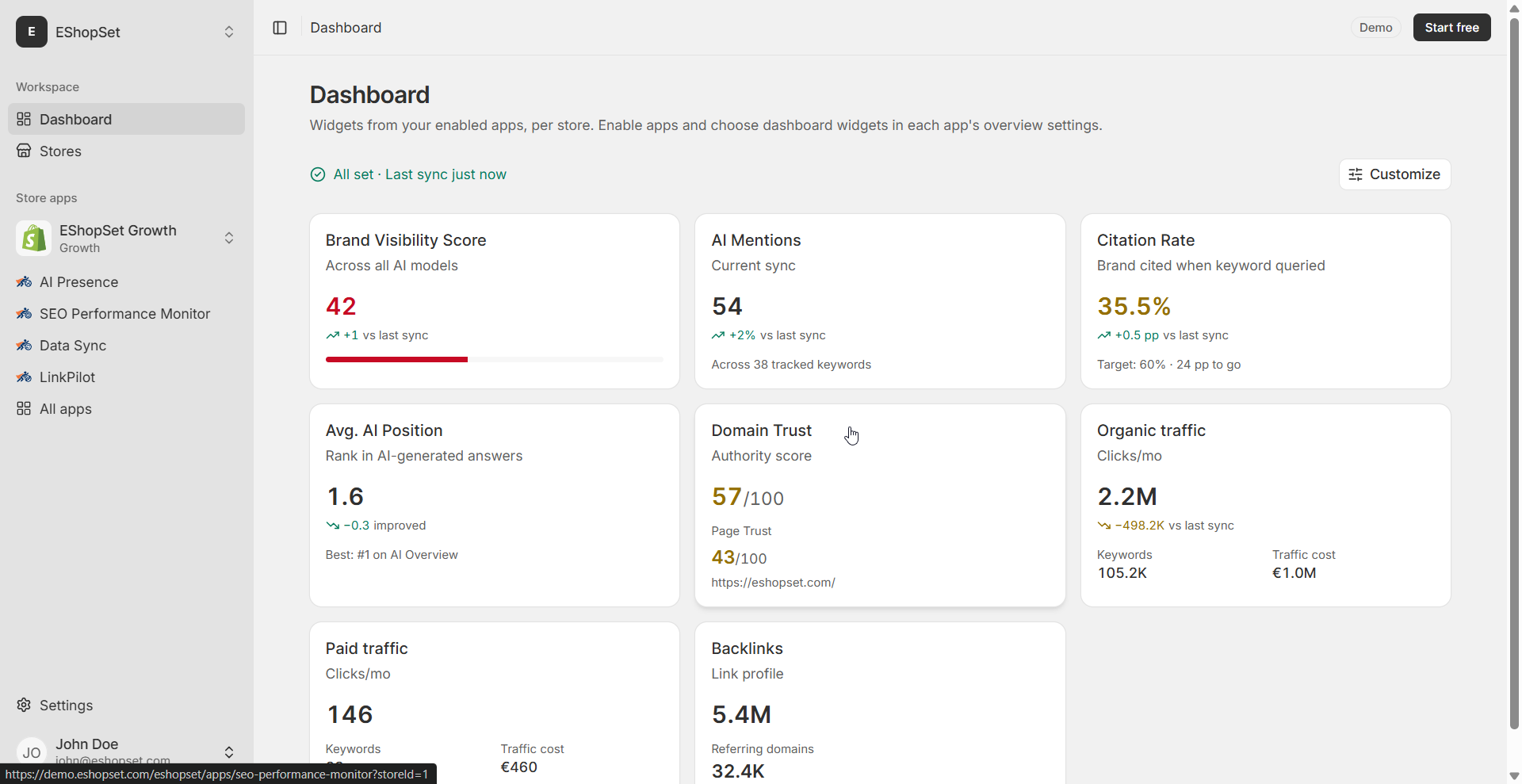
This discussion perfectly illustrates the entrepreneurial spirit and the tactical decisions Shopify merchants face daily. We strongly agree with the community's emphasis on understanding true profit and building a significant cash runway before making the full-time leap. For merchants managing their existing catalog and planning new storefronts, leveraging a Sheet2Cart app can be invaluable for efficient product listing and updates, saving precious time. Additionally, keeping a close eye on your Shopify top organic pages with an SEO Performance Monitor is crucial, especially when making site changes or launching new categories, as even minor issues can impact visibility and sales. And with AI's growing role, embracing tools like AI Presence can help streamline content creation and maintain a competitive edge.
Making the jump to full-time entrepreneurship is a huge step, but with careful financial planning, strategic focus, and the right tools, it can be incredibly rewarding. The key is to be honest about your numbers, prepare for the unexpected, and use your time and resources wisely to maximize your business's potential.