Navigating E-commerce in Flux: Key Insights from the Latest Industry Buzz for Shopify Merchants
Hey there, fellow Shopify merchants and store operators!
The e-commerce world never slows down, does it? Just when you think you’ve got a handle on things, a new trend emerges, a platform changes its algorithm, or a major legal battle shifts the landscape. I was just catching up on a recent community discussion – a fantastic weekly recap from an original poster who tracks industry news like a hawk – and it sparked some really important thoughts for all of us running online stores.
Social Media's Shifting Sands: What It Means for Your Brand
One of the biggest takeaways from the discussion was Meta’s evolving content strategy. Imagine this: less than 5% of posts in your Instagram feed and less than 15% in your Facebook feed are from your actual friends. Meta itself is arguing it's not primarily a "personal social networking service" anymore! This isn't just a fun fact; it's a seismic shift for how we approach social media marketing.
As one community member wisely pointed out, if friend content is shrinking, brands need to get incredibly creative to break through the noise. They highlighted the success of Instagram Reels, especially now that they're becoming shoppable. Think product demos, behind-the-scenes glimpses, or authentic user-generated content. The goal is to be engaging and human, not just promotional. This shift also comes alongside Meta’s move to remove "Placements" options from ad sets, pushing advertisers towards more automated targeting across its apps. This means trusting the platform's AI to find your audience, making your creative assets and overall presence even more critical.
The AI Revolution: Advertising, Operations, and Ethics
AI was another recurring theme, showing up in everything from content creation to advertising and even internal operations. Google is expanding its AI Max for Search campaigns, offering account-wide A/B testing and more control. This is huge for optimizing your ad spend and reaching the right customers on Google, meaning smart use of AI can genuinely amplify your marketing efforts. Beyond advertising, the discussion touched on the ethical implications of AI, from OpenAI’s approach to personalized ads requiring consent, to concerns about data being used for AI training. These high-level issues underscore the importance of transparency and responsible data handling for all businesses, including Shopify stores. As AI integrates more into our daily tools, knowing your data sources and how they are used will only grow in importance.
Data Integrity, Privacy, and Your Shopify Catalog
Perhaps one of the most eye-opening pieces of news for Shopify merchants was the mention of a privacy class action lawsuit against Shopify itself. The plaintiff alleges Shopify's checkout software collects customer data (names, addresses, card numbers, locations) appearing to belong to the merchant, then builds profiles potentially sold back to merchants without explicit customer permission. While Shopify is fighting these claims, it's a stark reminder of the critical importance of data privacy, transparency, and customer trust. For us as merchants, being hyper-aware of how customer data is handled at every touchpoint and ensuring practices are above reproach is key.
This also brings us to the operational backbone of any successful Shopify store: your product catalog. In a world where market conditions can change rapidly – think tariff adjustments or competitor pricing shifts – your ability to quickly and accurately manage your product data is paramount. Imagine needing to perform a large-scale Shopify price and inventory update Sheets to reflect new costs or promotional offers. Or perhaps you need to Shopify update products from Google Sheets because your supplier provided an updated catalog. Manual updates simply won't cut it. Having a robust system for product data, ensuring accuracy and compliance, is not just about efficiency; it's about maintaining trust and staying competitive.
EShopSet Team Comment
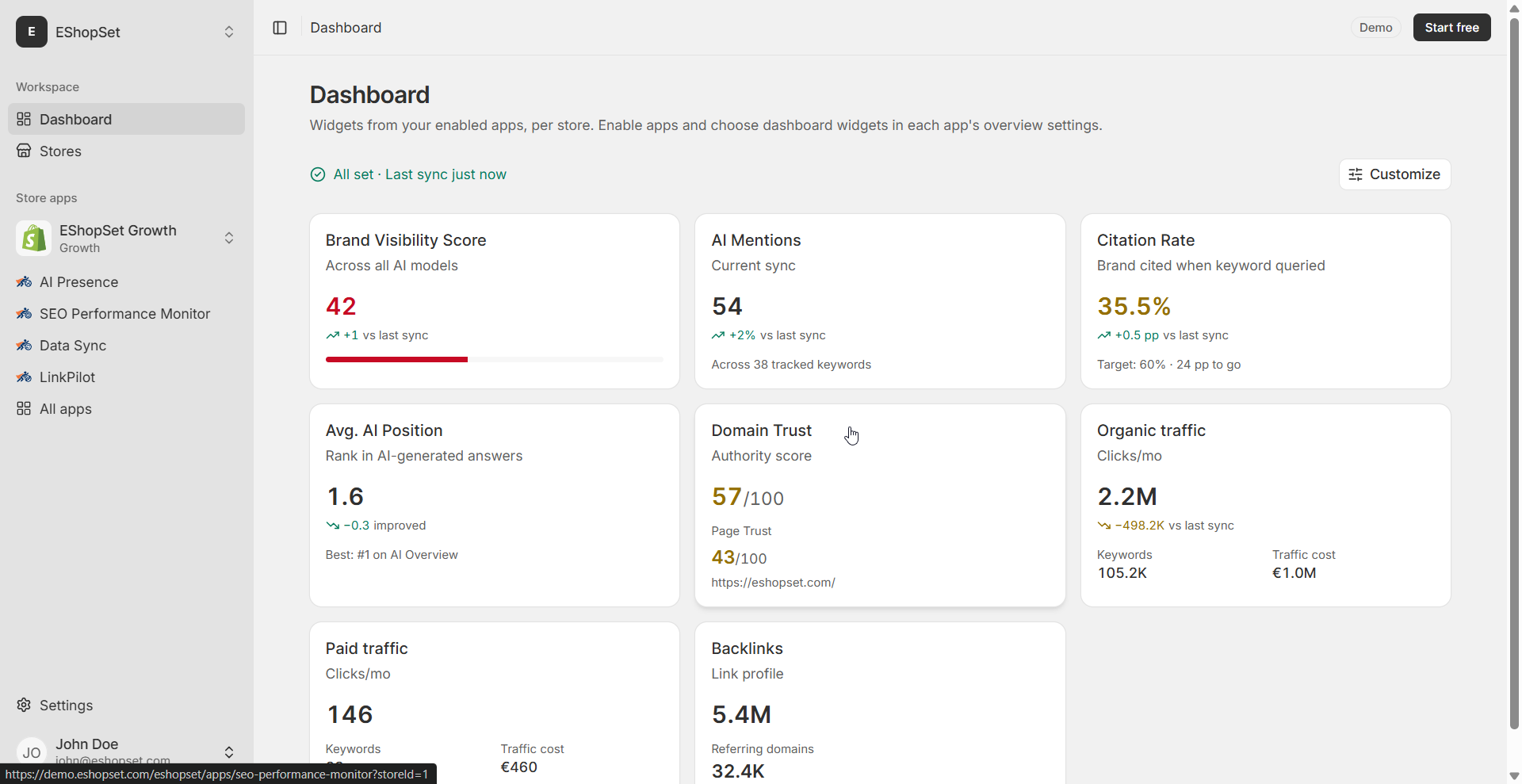
The insights from this community discussion really hit home for us at EShopSet. The rapid evolution of social media algorithms and the pervasive integration of AI demand that Shopify merchants are not just reactive, but proactive. We believe strong AI presence on social channels combined with meticulous data management is no longer optional. Our AI Presence app helps merchants craft compelling, on-brand content to stand out in crowded feeds, while Sheet2Cart provides the crucial link for seamless, bulk product updates from Google Sheets, ensuring your pricing and inventory are always accurate and compliant. And let's not forget the foundational importance of SEO; our SEO Performance Monitor ensures your store is visible amidst all this digital noise.
So, what's the takeaway for your Shopify store?
- Embrace Smart Social: Don't just post; engage. Experiment with formats like Reels and leverage AI-driven insights to tailor your content.
- Leverage AI Wisely: Explore AI tools for advertising optimization and content creation, but always prioritize ethical data practices and transparency.
- Master Your Data: Ensure your product catalog is always up-to-date and accurate. Tools that allow you to easily Shopify update products from Google Sheets or handle a large-scale Shopify price and inventory update Sheets are invaluable for agility and compliance.
- Prioritize Trust: In an era of increasing scrutiny over data privacy, transparency with your customers isn't just good practice—it's essential for long-term success.
The e-commerce landscape is dynamic, constantly presenting new challenges and opportunities. By staying informed, adapting your strategies, and leveraging the right tools, you can not only navigate these changes but also turn them into a competitive advantage for your Shopify store. Keep those discussions going, and keep innovating!